
Perfume & Eczema: Why Fragrance Is the Most Common Contact Allergen & How to Navigate It
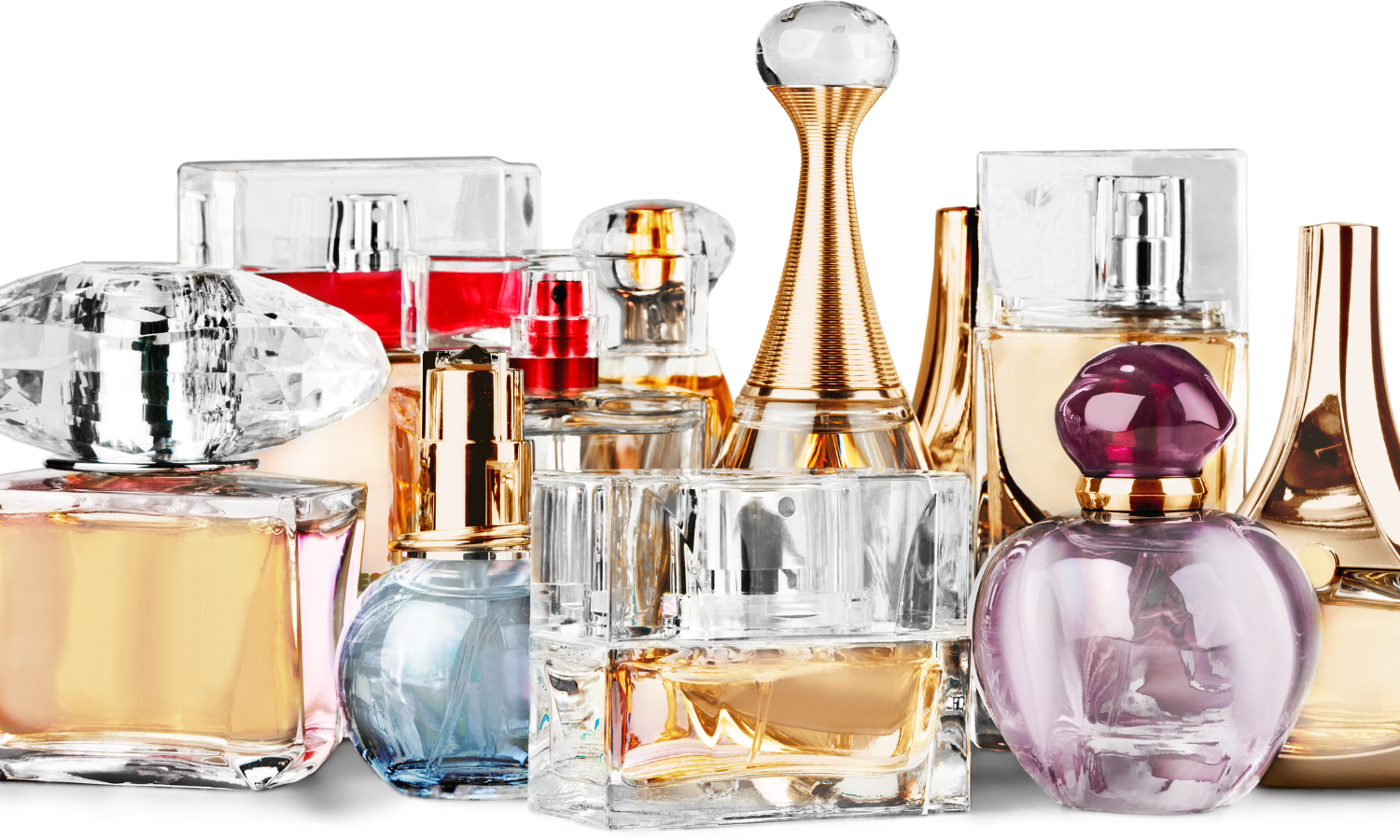
Fragrance is the most consistently documented contact allergen category in cosmetics — responsible for more allergic contact dermatitis cases than any other ingredient group. For eczema-prone skin, where barrier permeability is structurally elevated and immune sensitisation thresholds are lower than in healthy skin, this isn't a minor concern. It's the most practically important ingredient category to understand in the entire eczema skincare conversation.
Why Is Eczema-Prone Skin More Sensitive?
Eczema is associated with a weakened skin barrier.
The skin barrier plays an important role in:
Retaining moisture
Protecting against irritants
Defending against environmental stressors
When this barrier is compromised, the skin may become more vulnerable to substances that would otherwise be well tolerated.
This can increase the likelihood of:
Dryness
Stinging
Burning
Irritation
Sensitivity reactions.
The mechanism: why fragrance causes problems specifically on eczema skin
Fragrance contact allergy operates through Type IV delayed hypersensitivity — a T-cell mediated immune reaction that develops over hours to days rather than the immediate IgE-mediated response of classical allergy. This is why fragrance reactions are so frequently misattributed to other causes — the delay between exposure and reaction makes the connection easy to miss.
The mechanism runs as follows: fragrance compounds penetrate the skin and bind to skin proteins, forming haptens — small molecules that the immune system recognises as foreign when presented by dendritic cells. On initial exposure, the immune system is sensitised without producing a visible reaction. On subsequent exposures, the primed T-cells mount an inflammatory response — producing the redness, itch, and eczema worsening that characterises contact allergy.
Eczema skin's compromised tight junction structure and ceramide deficit make this sensitisation process more efficient — allergens penetrate more rapidly, reach dendritic cells more easily, and trigger sensitisation at lower concentrations than on intact skin. This is why people with eczema have a significantly higher rate of fragrance contact sensitisation than the general population, and why a fragrance that causes no reaction on a friend's skin can produce a meaningful inflammatory response on eczema-prone skin.
What Is A Fragrance Allergy?
A fragrance allergy is a form of allergic contact dermatitis.
It occurs when the immune system reacts to specific fragrance ingredients after repeated exposure.
Common symptoms may include:
Redness
Itching
Rash
Swelling
Skin irritation
Symptoms do not always appear immediately and may develop hours or even days after exposure.
The EU fragrance allergen list
The European Union requires cosmetic products to declare 26 specific fragrance allergens on ingredient lists when present above certain concentrations (0.001% in leave-on products, 0.01% in rinse-off products). This list is the most reliable tool for identifying high-risk fragrance ingredients — considerably more reliable than the unregulated "hypoallergenic" claim discussed below.
The most commonly documented sensitisers from the EU list include:
Linalool — present in lavender, bergamot, and many floral fragrances. Linalool itself has relatively low sensitisation potential when fresh — but oxidises on exposure to air and light, producing linalool hydroperoxides that are significantly more allergenic. The older or more poorly stored a fragrance product, the higher its linalool sensitisation risk.
Limonene — present in citrus fragrances and many cleaning products. Like linalool, oxidises to form more allergenic hydroperoxides. The most common sensitiser in the EU fragrance allergen list.
Geraniol — present in rose and geranium fragrances. A primary alcohol that is a relatively common sensitiser in its own right without requiring oxidation.
Cinnamal and cinnamyl alcohol — present in cinnamon and spice fragrances. Among the most potent sensitisers in the EU list.
Eugenol — present in clove and carnation fragrances. Frequently found in dental products as well as perfumes.
If any of these appear in the ingredient list of a product that seems to worsen your eczema, fragrance contact sensitisation is the most likely explanation.
Fragrance Allergy Vs Fragrance Irritation
These terms are often confused.
Fragrance Irritation
Irritation occurs when a product directly aggravates the skin.
This does not involve an allergic immune response.
Symptoms may include:
Burning
Stinging
Tightness
Dryness
Fragrance Allergy
A fragrance allergy involves the immune system.
Once sensitisation develops, even small amounts of a fragrance ingredient may trigger a reaction.
Understanding this distinction is important because the management approach may differ.
The "parfum" loophole
EU cosmetic labelling requires fragrance compounds above the threshold concentrations to be individually declared. Below these thresholds — and for the dozens of fragrance compounds not on the EU 26 list — manufacturers can simply use the collective label "parfum" or "fragrance" without disclosing individual compounds.
This means that "parfum" on an ingredient list can represent anywhere from one to hundreds of individual chemical compounds, none of which need to be individually identified. For eczema-prone skin, any product containing "parfum" in the ingredients is a potential contact allergen risk — the presence of the collective term is itself a red flag regardless of what's actually in it.
Can Perfume Make Eczema Worse?
For some people, yes.
Even when fragrance is not the original cause of eczema, it may contribute to flare-ups by:
Irritating the skin barrier
Increasing inflammation
Triggering itching
Encouraging scratching
Because eczema skin is often already inflamed, additional irritation may worsen symptoms.
Where Is Fragrance Found?
Many people think only of perfume bottles when discussing fragrance.
In reality, fragrance appears in a wide range of products, including:
Moisturisers
Face washes
Body washes
Shampoos
Conditioners
Laundry detergents
Fabric softeners
Candles
Air fresheners
Cosmetics
As a result, fragrance exposure can add up quickly throughout the day.
"Hypoallergenic" — an unregulated claim
Unlike the EU fragrance allergen list, the label "hypoallergenic" has no regulatory definition or verification requirement in the UK or EU. Any brand can apply it to any product regardless of formulation. A product labelled "hypoallergenic" may contain multiple EU fragrance allergens below the declaration threshold — entirely legally and without misrepresentation.
The appropriate guide for eczema-prone skin is not "hypoallergenic" but "fragrance-free" — and even then, checking the full ingredient list for "parfum," "aroma," or specific EU fragrance allergens provides more reliable protection than any label claim.
What Does "Fragrance-Free" Mean?
Fragrance-free products are formulated without added fragrance ingredients designed to provide scent.
However, this differs from:
Unscented
Unscented products may still contain fragrance ingredients used to mask odours.
This is why fragrance-free products are often preferred for highly sensitive skin.
Are Natural Fragrances Safer?
Not necessarily.
Many people assume natural fragrances are gentler than synthetic fragrances.
However, natural ingredients can still trigger irritation or allergic reactions.
Examples include:
Essential oils
Citrus extracts
Botanical fragrance blends
The skin responds to chemical compounds, not marketing labels.
Can you wear perfume with eczema?
The answer depends on where and when — not a blanket yes or no.
Apply to clothing rather than skin. Perfume applied directly to eczema-prone skin delivers fragrance compounds at full concentration to a compromised barrier. Applied to clothing — particularly natural fibres — the same fragrance compounds are partially absorbed by the fabric before any skin contact occurs, reducing the effective dose reaching the skin surface.
Avoid application near active eczema. Active or recently flared eczema skin has significantly elevated permeability and sensitisation risk. Even people who normally tolerate a specific fragrance may react to it during or immediately after a flare.
Consider solid and oil-based formulations. Traditional oil-based attars and solid perfumes often contain fewer synthetic fragrance allergens than alcohol-based eau de parfum — though this varies enormously by formulation and they still require ingredient checking.
Patch test new fragrances. Apply a small amount to the inner wrist or behind the ear for 48 hours before wearing. Type IV reactions peak at 48–72 hours — a 24-hour patch test misses the reaction window.
How Can You Tell If Fragrance Is Affecting Your Skin?
Possible clues include:
Burning after applying products
Reactions that consistently occur after using fragranced products
Persistent facial irritation
Eczema flare-ups in areas exposed to perfumes or cosmetics
If fragrance allergy is suspected, a healthcare professional may recommend patch testing.
Fragrance-free alternatives
For people who want fragrance benefit without synthetic allergen risk, the most appropriate approaches are:
Single botanical ingredients with known allergen profiles — pure rose water, pure chamomile hydrosol, or pure sandalwood oil (checking individual EU allergen status for each). Single-ingredient preparations allow specific allergen identification rather than the opaque "parfum" collective.
IFRA-compliant low-allergen formulations — some specialist perfumers formulate specifically to minimise EU allergen concentrations. These aren't guaranteed fragrance-safe for sensitised eczema skin but carry lower risk than standard commercial fragrances.
Essential oil diffusion rather than topical application — as covered in the lavender eczema article in this series, aromatherapy through diffusion provides scent benefit without the topical contact allergen risk of skin application.
What Is Patch Testing?
Patch testing helps identify substances that may be causing allergic contact dermatitis.
Small amounts of potential allergens are placed on the skin and monitored for reactions.
This can help identify whether specific fragrance ingredients are contributing to symptoms.
Supplement Support For Skin Health
Fragrance contact sensitisation risk is directly related to skin barrier permeability — a more intact barrier reduces both the rate of allergen penetration and the efficiency of the sensitisation process. Vitamin D's filaggrin upregulation, zinc's keratinocyte barrier repair, and vitamin C's antioxidant protection address the internal barrier foundations that determine how vulnerable eczema skin is to fragrance allergens.
Drought's Skin Support Formula provides all three alongside 11 other nutrients — supporting the internal barrier foundations that reduce eczema skin's vulnerability to every contact allergen it encounters, including fragrance. Made in the UK, suitable for vegetarians, designed for consistent long-term daily use.
FAQ
Can perfume cause eczema?
Perfume doesn't cause eczema — but fragrance compounds are the most common contact allergens in cosmetics and can trigger or worsen eczema through Type IV delayed hypersensitivity in sensitised individuals.
What is a fragrance allergy?
A fragrance allergy is an allergic reaction to specific fragrance ingredients and is a form of allergic contact dermatitis.
Why does my eczema react to perfume but my friend's skin doesn't?
Eczema skin's compromised barrier allows fragrance allergens to penetrate more rapidly and reach immune cells more efficiently — sensitisation occurs at lower concentrations and more readily than on intact skin.
What fragrance ingredients should I avoid with eczema?
The EU 26 fragrance allergens are the most reliable reference — particularly linalool, limonene, geraniol, cinnamal, and eugenol as the most commonly documented sensitisers.
Is hypoallergenic perfume safe for eczema?
Not reliably — hypoallergenic is an unregulated claim with no verification requirement. A product can contain multiple EU fragrance allergens and still be legally labelled hypoallergenic.
Can I wear perfume if I have eczema?
Yes, with modifications — apply to clothing rather than skin, avoid application near active eczema, patch test for 48 hours before wearing, and check ingredient lists for EU fragrance allergens and "parfum."
Is fragrance-free better for eczema?
Many people with eczema tolerate fragrance-free products more easily than fragranced alternatives.
Are essential oils safe for eczema?
Not always. Some essential oils can irritate sensitive skin and may trigger reactions in susceptible individuals.
How do I know if perfume is affecting my eczema?
Patterns of irritation following fragrance exposure may provide clues, but patch testing may be needed to identify specific allergens.
Summary
Fragrance is the most common contact allergen category in cosmetics, operating through Type IV delayed hypersensitivity that eczema skin's elevated permeability makes significantly more efficient. The EU 26 fragrance allergen list — particularly linalool, limonene, geraniol, cinnamal, and eugenol — provides the most reliable identification tool for high-risk ingredients. "Hypoallergenic" is an unregulated claim; "fragrance-free" with full ingredient list checking is the appropriate standard. Perfume can be worn with eczema — on clothing rather than skin, away from active eczema, with patch testing for new fragrances.
In Short
Fragrance is a common trigger for sensitive skin reactions.
People with eczema can be more vulnerable to irritation from fragranced products.
Perfume allergies and perfume irritation are not the same thing.
Fragrance can be found in many products beyond perfume itself.
Fragrance-free skincare is often recommended for eczema-prone skin.
Barrier permeability determines fragrance sensitisation risk — vitamin D, zinc, and vitamin C address the filaggrin deficit, tight junction repair, and antioxidant protection that determine how permeable eczema skin is to allergens. Drought's Skin Support Formula provides all three alongside 11 other nutrients, reducing the barrier vulnerability that makes fragrance contact sensitisation so significant for eczema-prone skin. Made in the UK, suitable for vegetarians, designed for consistent long-term daily use.
Start your skin support journey →
Written by the Drought Skin team — specialists in natural support for psoriasis, eczema and acne
Disclaimer: This article contains affiliate links. We earn a very small commission from each purchase made through these links. There is no additional cost to you. All products featured have been specifically selected as products we personally use and love. For further information, please see our disclaimer page.
