
Anti-Inflammatory Drinks for Psoriasis: What the Research Actually Shows
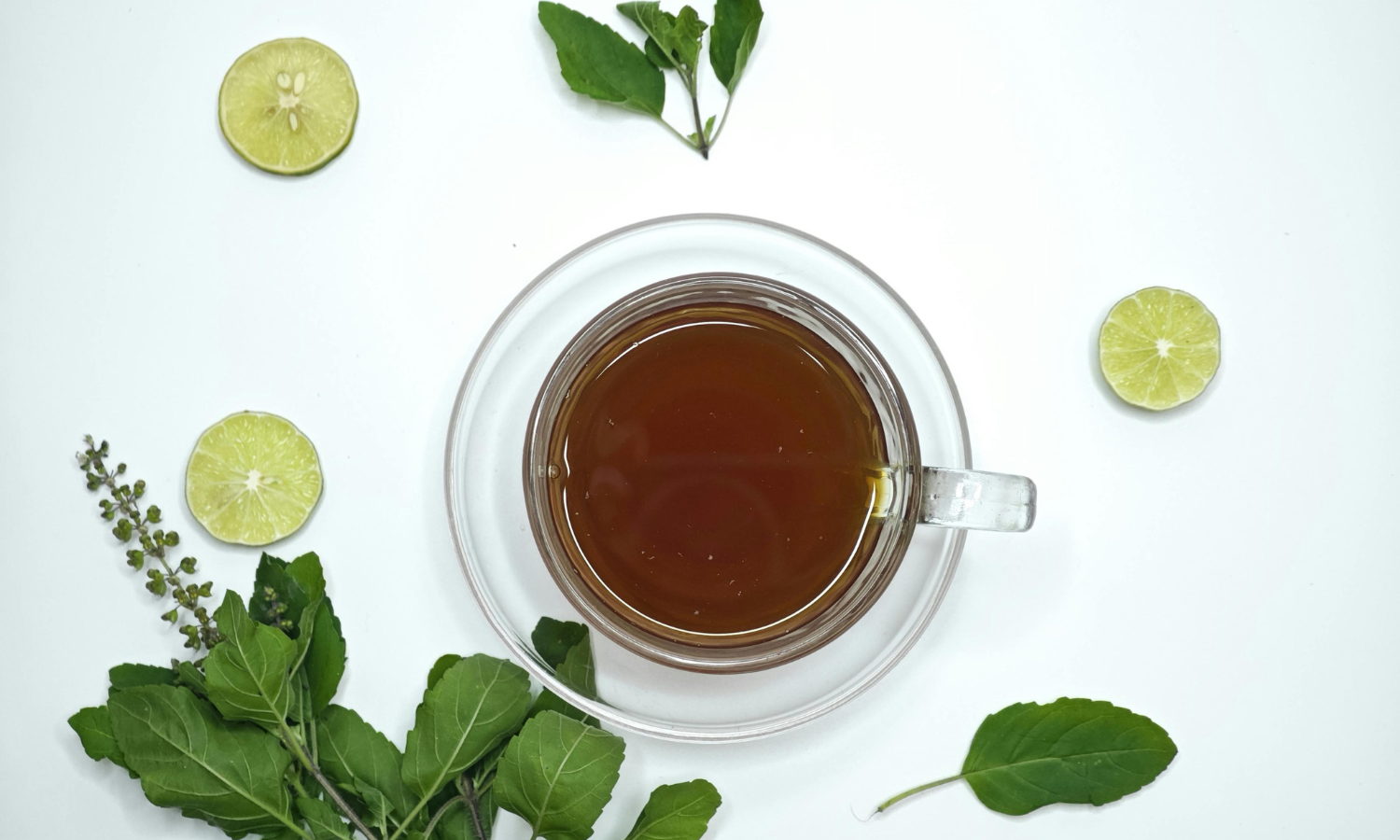
Beverages receive considerably less attention than food in psoriasis diet discussions — but some drinks contain bioactive compounds with specific and documented mechanisms relevant to psoriasis inflammation. No drink treats psoriasis, and the overall dietary pattern matters more than any single beverage. But within that pattern, some drink choices consistently contribute more anti-inflammatory benefit than others — and understanding why makes the choice more meaningful than simply following a "wellness drink" trend.
What Makes A Drink "Anti-Inflammatory"?
The term anti-inflammatory is often used broadly.
Generally, it refers to drinks containing compounds that may influence inflammatory pathways or support overall health.
Examples include:
Polyphenols
Antioxidants
Plant compounds
Certain vitamins and minerals
However, it is important to remember that anti-inflammatory does not automatically mean effective for psoriasis.
Green tea: the EGCG mechanism
Green tea is the most researched beverage for anti-inflammatory effects, and the mechanism is specific. Green tea catechins — particularly epigallocatechin gallate (EGCG) — inhibit NF-κB signalling, the master inflammatory switch that drives TNF-α, IL-6, and IL-17 production. These are the same cytokines central to psoriatic inflammation and the same targets of modern biologic treatments.
EGCG also inhibits the activation of T-cells — the immune cells central to the psoriatic immune response — and reduces reactive oxygen species in keratinocytes. Published research has found topical green tea extracts reduce psoriasis-like inflammation in animal models through these pathways.
Green tea is not a psoriasis treatment. But as a daily beverage providing consistent NF-κB inhibiting compounds, it has one of the more coherent mechanistic rationales of any commonly consumed drink.
Coffee: the mixed picture
Coffee contains chlorogenic acids and other polyphenols with antioxidant activity, alongside caffeine. The research on coffee and psoriasis is genuinely mixed — some studies suggest potential associations with reduced psoriasis risk; others find no association.
The more relevant consideration for psoriasis is cortisol: caffeine elevates cortisol, which as covered in the stress article activates the HPA axis and DHEAS adrenal androgen production that worsens psoriasis. For people whose psoriasis has a significant stress component, high caffeine intake may be a net negative despite coffee's polyphenol content.
Moderate coffee (one to two cups before midday) is the reasonable position — capturing the polyphenol benefit without the cortisol and sleep-disruption effects of higher consumption.
Oolong tea: the most specific clinical evidence
Oolong tea sits between green and black tea in oxidation level and has a specific and underappreciated evidence base for inflammatory skin conditions. A 2001 randomised controlled trial published in Archives of Dermatology found that drinking three cups of oolong tea daily produced marked improvement in chronic recalcitrant atopic dermatitis in 63% of participants — with benefits maintained at six months. While this trial was for eczema rather than psoriasis, the shared inflammatory pathway (Th2 modulation) and the rigour of the study design makes oolong one of the most evidenced individual drinks for inflammatory skin conditions.
The polyphenols in oolong tea — including theaflavins and catechins in different ratios to green tea — inhibit multiple inflammatory pathways including NF-κB. Three cups daily is the evidence-based quantity.
Turmeric drinks: bioavailability is the key variable
Turmeric lattes and turmeric teas contain curcumin — a compound with documented NF-κB inhibition and anti-inflammatory properties through 5-lipoxygenase inhibition. As covered in the herbal treatments for psoriasis article, curcumin's challenge is bioavailability: without black pepper (piperine), absorption is minimal.
A turmeric latte made with a pinch of black pepper and a fat-containing milk (the fat aids absorption) provides meaningful curcumin. A turmeric tea without these additions provides very little. The preparation matters as much as the ingredient.
Spearmint tea: the anti-androgenic effect
As covered in the hormonal acne diet article in this series, spearmint tea has documented anti-androgenic effects — a randomised controlled trial found two cups daily significantly reduced free testosterone in women with androgen excess. For psoriasis patients where androgen-driven sebum contributes to seborrhoeic dermatitis overlap, and where stress-driven DHEAS elevation worsens inflammatory disease, the anti-androgenic and mildly anti-inflammatory properties of spearmint make it a useful addition to a psoriasis-supportive drink routine.
Recommended Products
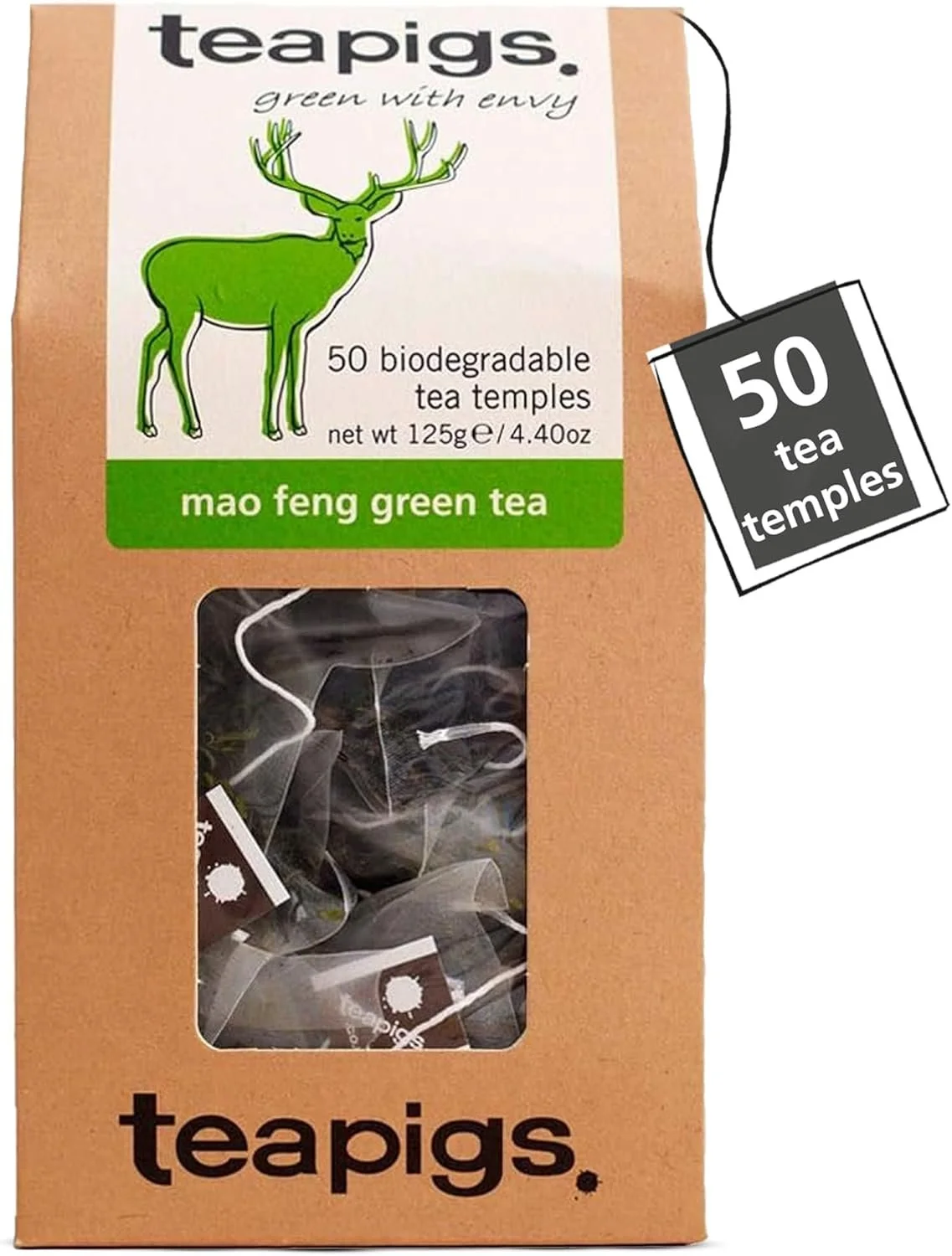
Teapigs Mao Feng Green Tea
a high-quality green tea providing meaningful EGCG concentration. Two to three cups daily is the most commonly used quantity in research examining polyphenol effects.
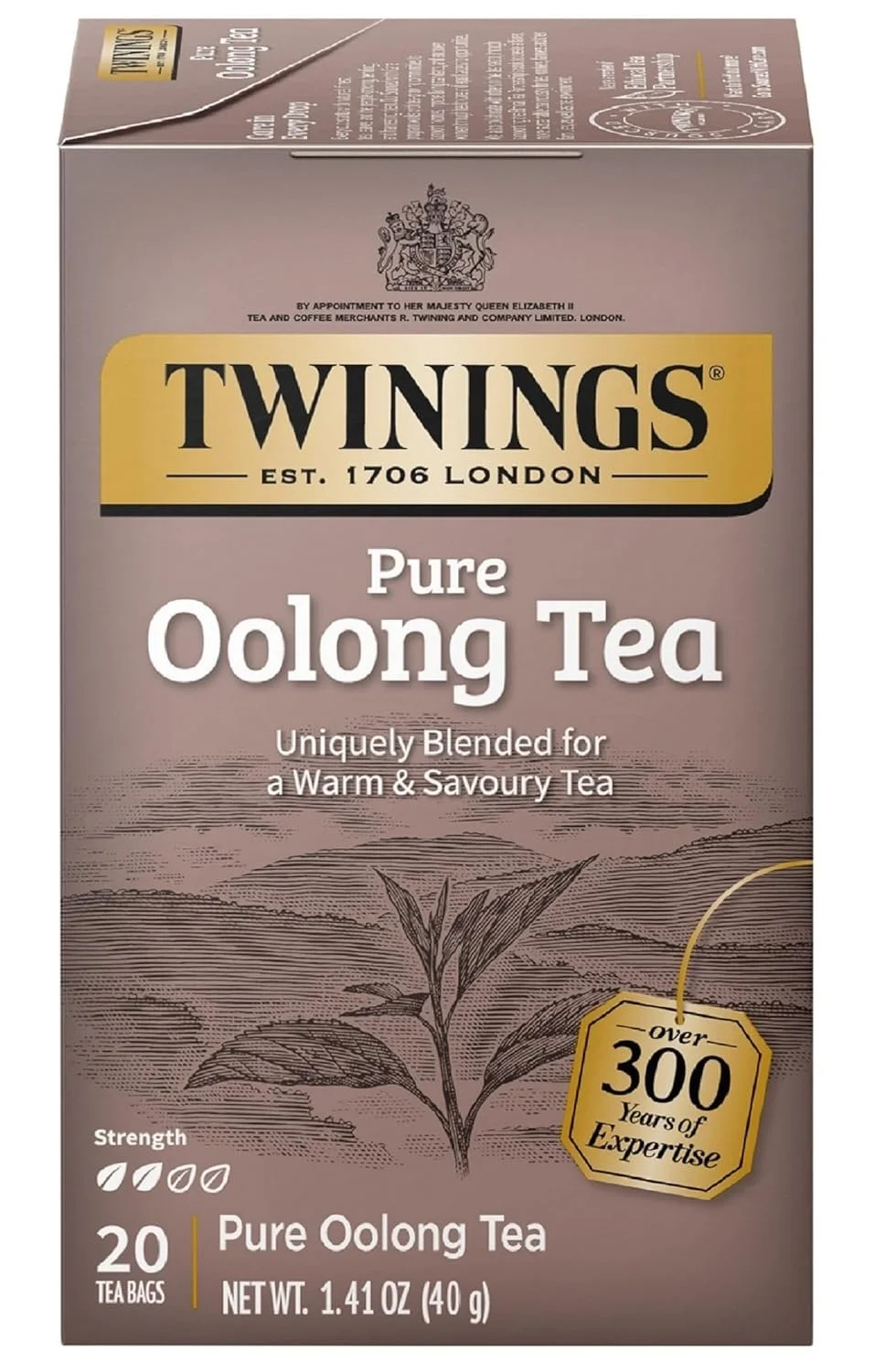
Twinings China Oolong Tea
a pure oolong tea appropriate for the three-cups-daily protocol with the most specific clinical evidence for inflammatory skin conditions.
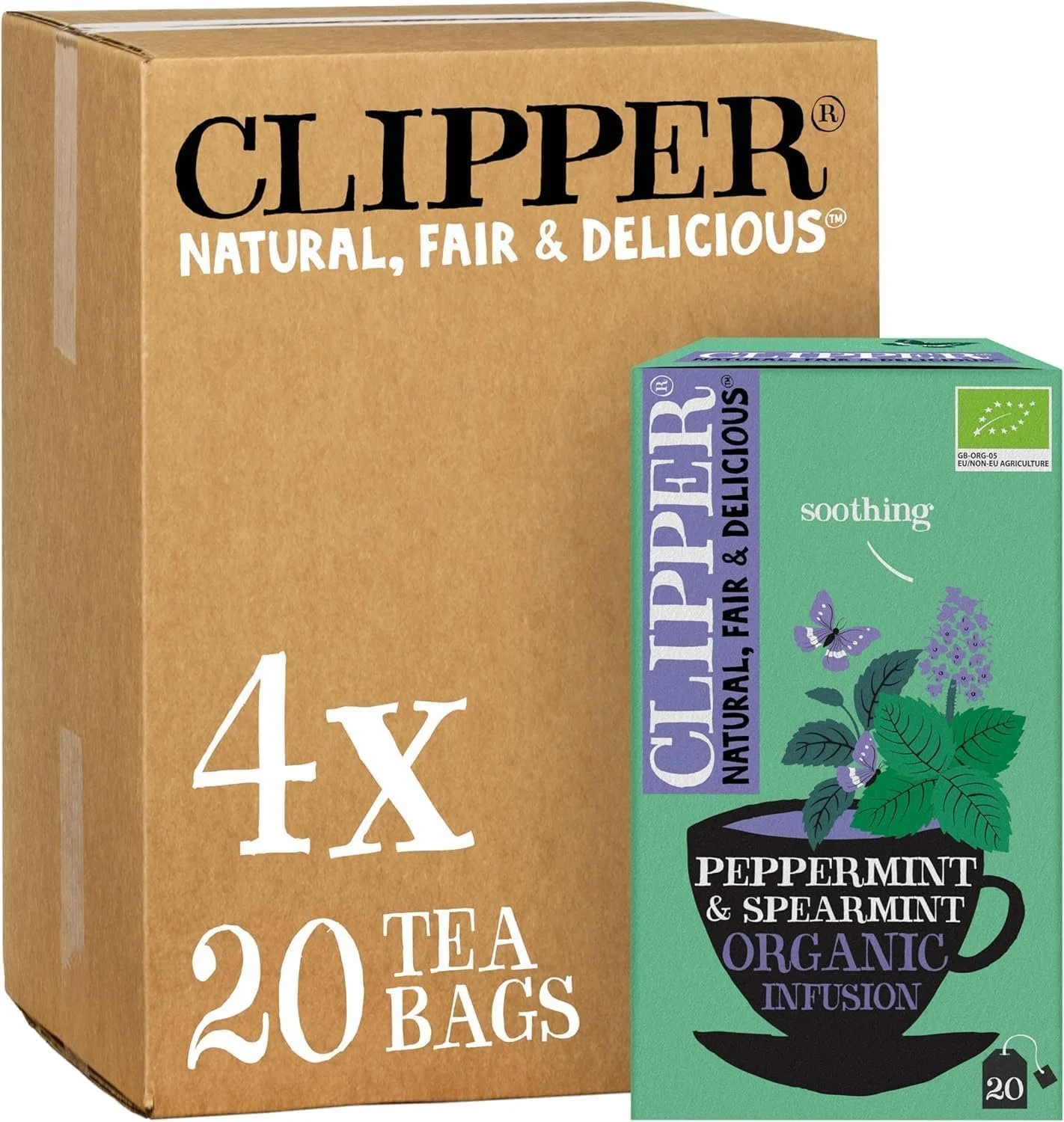
Clipper Organic Peppermint & Spearmint Tea
organic, caffeine-free, appropriate for regular daily use.
Kombucha: the gut-skin connection
Kombucha is a fermented tea providing probiotic bacteria and organic acids. As covered in the probiotics for psoriasis article, gut microbiome composition influences systemic inflammatory tone relevant to psoriasis through the gut-skin axis. Faecalibacterium prausnitzii — consistently lower in psoriasis patients — is supported by fermented foods and prebiotic fibre.
The evidence for kombucha specifically is limited compared to standardised probiotic supplements. Commercial kombucha also varies enormously in live culture content, sugar content, and quality. As a fermented food alongside a fibre-rich diet, it has some gut microbiome rationale — as a primary probiotic intervention, a multi-strain supplement has considerably more consistent evidence.
Water: the most underestimated
Water deserves specific mention not for anti-inflammatory properties but for what dehydration does to psoriatic skin. The plaques of psoriasis already have elevated transepidermal water loss — adequate hydration helps maintain what residual skin surface water content remains. There is no direct evidence that drinking more water reduces PASI scores, but chronic dehydration worsens the dryness and barrier function that already-compromised psoriatic skin struggles with.
1.5–2 litres daily is the general hydration guideline — more during exercise, hot weather, or when taking acitretin (which increases mucous membrane dryness).
Drinks to reduce
Alcohol — the most consistently documented dietary psoriasis trigger, worsening disease through Th17 pathway amplification, keratinocyte proliferation from acetaldehyde, and treatment effectiveness reduction. Covered in detail in the alcohol and psoriasis article.
Sugary drinks — drive the insulin-IGF-1-mTORC1 inflammatory signalling covered in the sugar and psoriasis article. Liquid sugar is among the highest glycaemic inputs available.
High-caffeine drinks — cortisol elevation from excessive caffeine compounds the HPA axis activation from psychological stress that directly worsens psoriasis.
Supplement Support For Skin Health
Drinks contribute polyphenols, antioxidants, and in the case of fermented beverages, probiotic bacteria. The systemic nutritional deficiencies most consistently documented in psoriasis — vitamin D, zinc, omega-3 — are not addressable through beverages.
Drought's Skin Support Formulaprovides vitamin D, zinc, vitamin C, magnesium, and 10 other nutrients — addressing the nutritional foundations of psoriasis management that no beverage delivers. Made in the UK, suitable for vegetarians, designed for consistent long-term daily use.
FAQ
What is the best anti-inflammatory drink for psoriasis?
Green tea and oolong tea have the most specific anti-inflammatory mechanisms relevant to psoriasis — EGCG NF-κB inhibition and published clinical evidence for inflammatory skin conditions respectively.
Can green tea help psoriasis?
Through EGCG-mediated NF-κB inhibition, T-cell modulation, and antioxidant activity — all relevant to psoriatic inflammation. Not a treatment but a consistent anti-inflammatory dietary addition.
Is coffee bad for psoriasis?
Mixed — polyphenol antioxidant benefit versus cortisol elevation from caffeine. Moderate consumption (one to two cups before midday) is reasonable; high intake may worsen stress-driven psoriasis.
Is kombucha good for psoriasis?
Some gut microbiome rationale through the gut-skin axis, but limited direct psoriasis evidence. Commercial quality varies significantly.
Does drinking more water help psoriasis?
Water supports overall health and normal skin function, although it is not a treatment for psoriasis.
Does oolong tea help skin conditions?
A 2001 RCT found three cups daily produced marked improvement in atopic dermatitis in 63% of participants. Shared inflammatory pathways make it relevant to psoriasis.
What drinks should I avoid with psoriasis?
Alcohol (most consistently documented trigger), sugary drinks (insulin-IGF-1-mTORC1 pathway), and excessive caffeine (cortisol elevation worsening stress-driven disease).
Summary
The drinks with the most specific anti-inflammatory evidence for psoriasis are green tea (EGCG NF-κB inhibition), oolong tea (most specific clinical trial data for inflammatory skin conditions), and turmeric drinks prepared with black pepper and fat for curcumin bioavailability. Spearmint tea has anti-androgenic effects relevant to hormone-driven psoriasis components. Coffee is a mixed picture — polyphenol benefit offset by cortisol-elevating effects at higher consumption. Kombucha has gut microbiome rationale with limited direct psoriasis evidence. Alcohol and sugary drinks should be reduced. Water remains the most important daily drink for hydration of barrier-compromised psoriatic skin.
In Short
No drink has been proven to cure psoriasis.
Some beverages contain compounds associated with anti-inflammatory effects.
Green tea, coffee, and certain herbal drinks have attracted research interest.
Hydration is important for overall skin health.
Overall dietary patterns matter more than any single drink.
Anti-inflammatory drinks provide polyphenol NF-κB inhibition and Th2 modulation — vitamin D and zinc address the nutritional deficiencies that no beverage reliably corrects. Drought's Skin Support Formula provides both alongside 12 other nutrients, covering the ground that an anti-inflammatory beverage routine leaves open. Made in the UK, suitable for vegetarians, designed for consistent long-term daily use.
Start your skin support journey →
Written by the Drought Skin team — specialists in natural support for psoriasis, eczema and acne
Disclaimer: This article contains affiliate links. We earn a very small commission from each purchase made through these links. There is no additional cost to you. All products featured have been specifically selected as products we personally use and love. For further information, please see our disclaimer page.
