
Beef Tallow for Acne: What the Fatty Acid Profile Actually Tells You
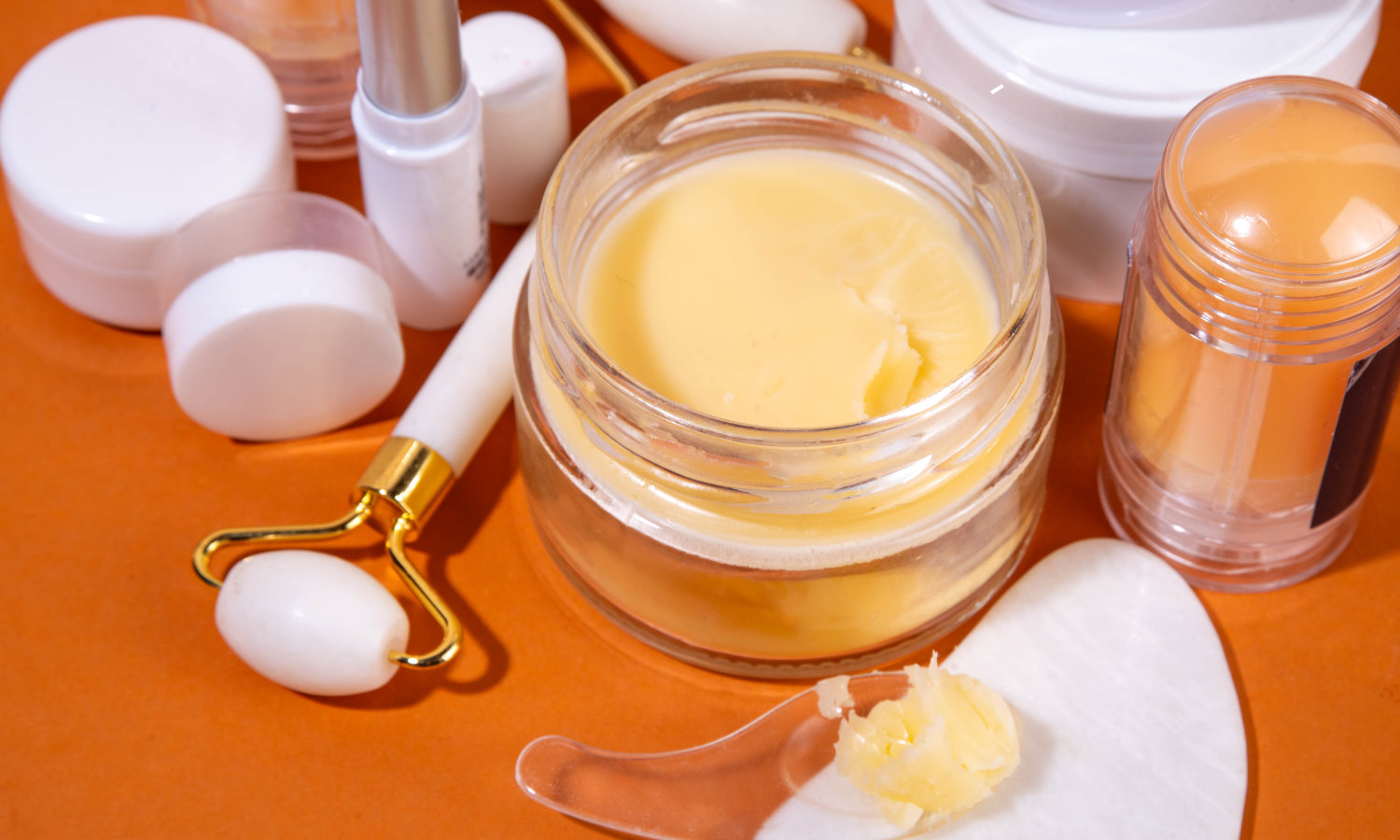
Beef tallow has accumulated millions of TikTok views as an ancestral skincare ingredient that allegedly does everything conventional moisturisers do, but better. The acne-prone audience is understandably curious — and understandably cautious. The honest answer sits in the fatty acid chemistry rather than the anecdotes in either direction.
What beef tallow actually contains
Beef tallow is rendered cattle fat — primarily a mix of triglycerides with a fatty acid profile that determines most of its skincare properties. The composition of standard beef tallow is approximately:
Oleic acid (monounsaturated): 40–50%. Oleic acid is an effective emollient and skin-penetrating ingredient — but it's also the fatty acid most consistently associated with comedogenicity in acne-prone skin. High-oleic oils tend to be occlusive and slow-draining from follicles, creating the conditions for comedone formation in people with already-congested pores.
Palmitic acid (saturated): 25–30%. A long-chain saturated fatty acid that contributes to beef tallow's solid texture at room temperature and its occlusive barrier-forming properties. Palmitic acid is generally non-comedogenic but contributes to the heavy texture that may not suit oily or acne-prone skin.
Stearic acid (saturated): 15–20%. Similarly non-comedogenic and contributes to the solid texture. Present in significant quantities in shea butter and cocoa butter — both generally well-tolerated by acne-prone skin in appropriate formulations.
Linoleic acid (polyunsaturated): 2–4%. This is the critical gap. Linoleic acid is the fatty acid most consistently associated with sebum quality in acne research — people with acne tend to have sebum that is lower in linoleic acid than people without acne, and linoleic acid-rich topical oils have been shown to reduce comedone formation. Beef tallow's linoleic acid content is minimal compared to the plant oils (rosehip at 35–40%, hemp seed at 55–60%, evening primrose at 70–80%) most specifically recommended for acne-prone skin.
The comedogenicity picture
Beef tallow doesn't have a standardised comedogenicity rating — the testing methodology used for individual ingredients doesn't translate directly to whole-food fats. What the fatty acid profile suggests is a moderate-to-high comedogenic potential driven by oleic acid dominance and minimal linoleic acid — meaning it is more likely to worsen congestion in acne-prone skin than the linoleic-rich plant oils that research most consistently supports for this skin type.
This doesn't mean beef tallow worsens acne for everyone. Skin type, pore size, sebum production rate, and existing skin congestion all influence how an individual responds to oleic-dominant oils. People with dry, non-acne-prone skin often tolerate and benefit from oleic-rich ingredients; people with already-congested acne-prone skin are more likely to experience worsening.
The ancestral health claim
The TikTok beef tallow trend draws heavily on the argument that tallow's fatty acid profile mimics human skin sebum — which is partly true. Human sebum does contain oleic, palmitic, and stearic acids, making tallow structurally similar. The argument assumes this similarity makes tallow an ideal skin ingredient.
The problem is that acne-prone skin's sebum is already oleic-acid dominant and linoleic-acid deficient — which is part of what makes it more comedogenic. An ingredient that reinforces this profile rather than correcting it is not mimicking healthy skin chemistry; it's reinforcing the imbalance that contributes to acne formation.
Grass-fed vs conventional tallow
Grass-fed tallow has a marginally different fatty acid profile — slightly higher CLA (conjugated linoleic acid) content and higher fat-soluble vitamins (A, D, E, K) than grain-fed tallow. The CLA content is marginally higher in linoleic acid equivalents but not sufficiently different to meaningfully change the comedogenic picture. Grass-fed is a reasonable quality preference for other reasons but is not a meaningful distinction for acne-prone skin specifically.
What the evidence actually shows
No clinical trials have tested beef tallow for acne. The evidence base is entirely anecdotal — which means the positive reports are real individual experiences, not evidence of general efficacy. Acne fluctuates naturally, responds to seasonal changes, hormonal cycles, stress, and dietary shifts — making it one of the most difficult skin conditions to assess from personal experience alone.
The absence of evidence doesn't mean tallow is ineffective — it means we don't know. What the fatty acid chemistry does tell us is that it's less likely to suit acne-prone skin than linoleic-rich alternatives with a more established research base.
Practical guidance
If you want to try beef tallow: patch test on a small non-facial area for two to three weeks before applying to acne-prone facial skin. Start with a minimal amount — a thin layer rather than a thick application. Monitor for new comedones, congestion, or inflammatory spots in the application area specifically.
If your skin is already congested: the oleic acid profile is a genuine concern. Rosehip oil, hemp seed oil, or evening primrose oil provide a linoleic acid-rich alternative with more research support for acne-prone skin and a lower comedogenic profile.
If your skin is dry and non-acne-prone: the comedogenicity concern is considerably less relevant. Tallow's occlusive and barrier-supporting properties are a coherent fit for dry, non-oily skin.
Recommended Products
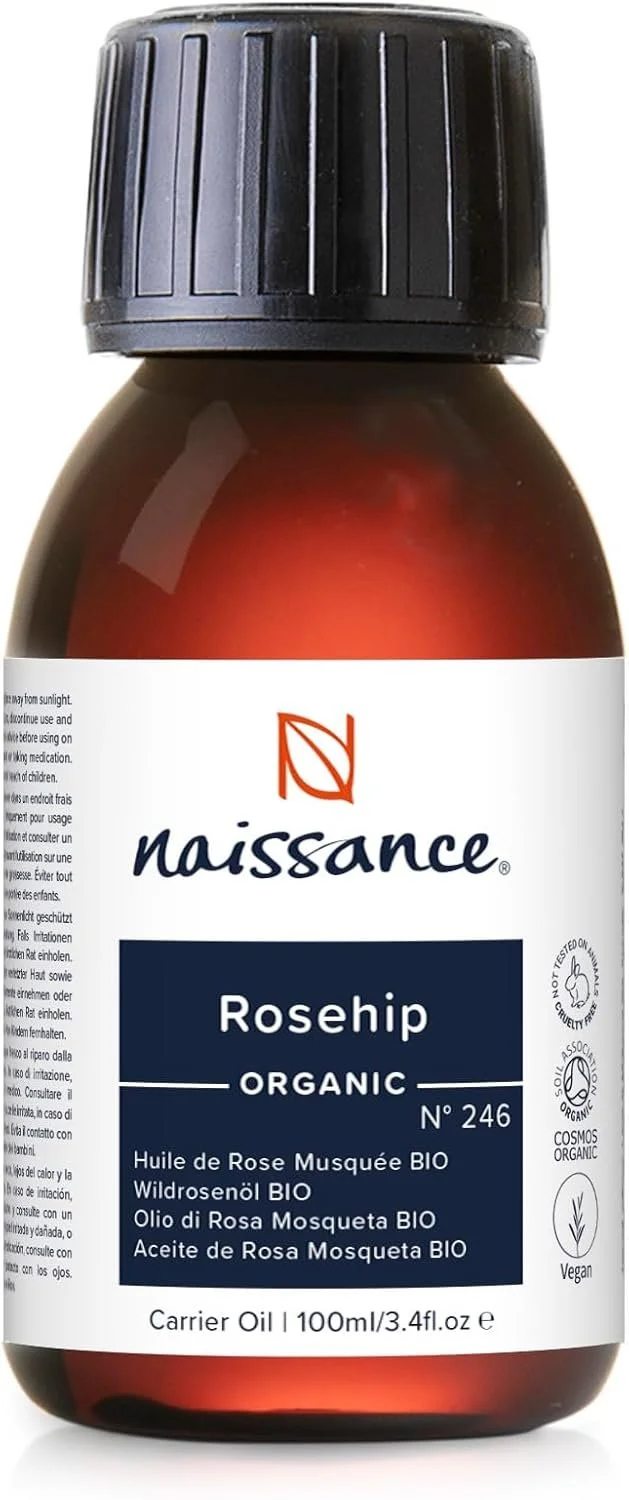
Naissance Rosehip Seed Oil Cold Pressed
a cold-pressed rosehip oil providing approximately 35–40% linoleic acid — significantly higher than beef tallow's 2–4% and more closely aligned with the fatty acid profile that research most consistently associates with reduced comedone formation in acne-prone skin. As covered above, people with acne tend to have sebum lower in linoleic acid than people without — applying a linoleic-rich oil addresses this specific imbalance rather than reinforcing the oleic-dominant profile that beef tallow shares with acne-prone sebum. Apply two to three drops to clean skin in the evening — a small amount covers the full face. The cold-pressed process preserves the trans-retinoic acid (naturally occurring vitamin A) content that contributes to rosehip's reputation for supporting skin cell turnover.
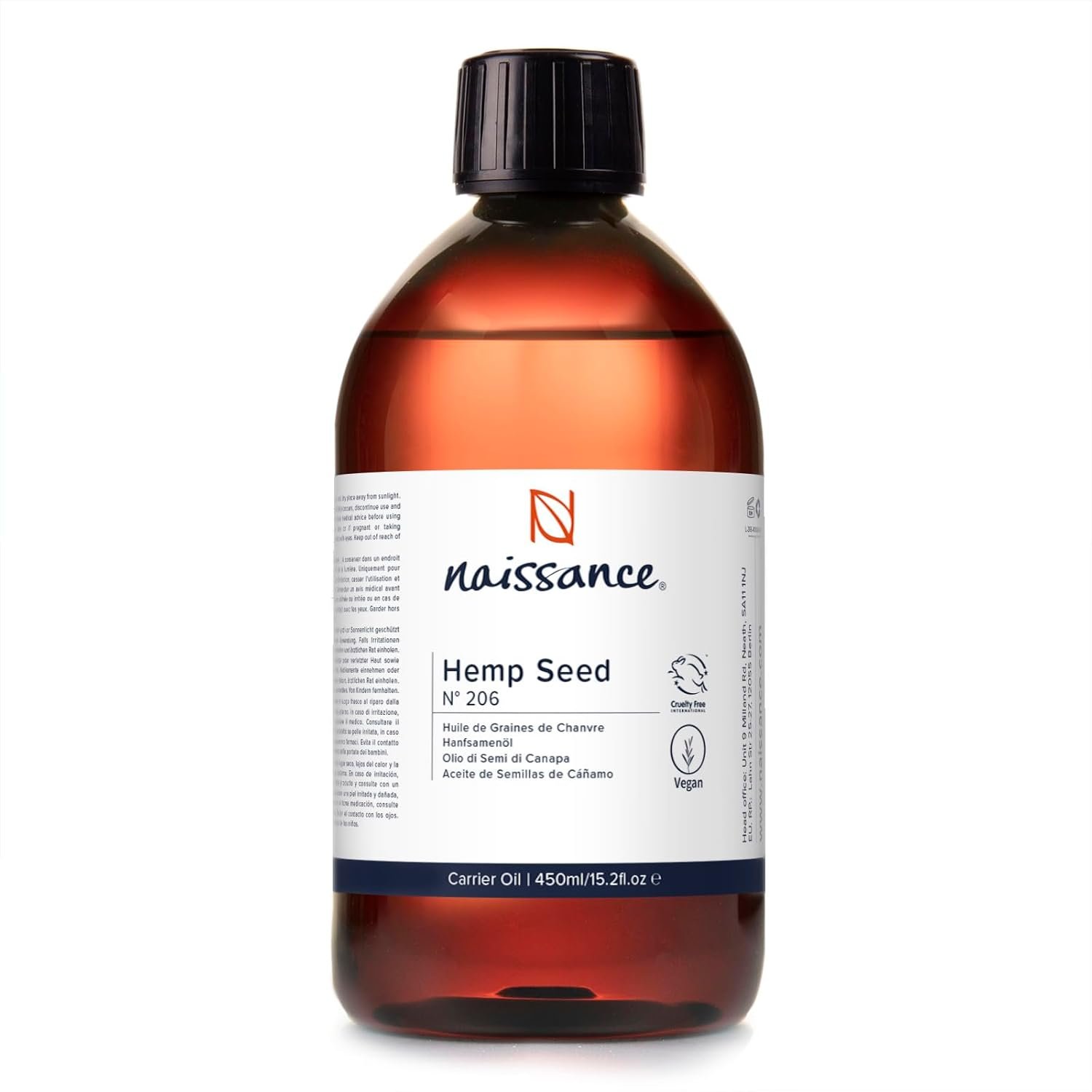
Naissance Hemp Seed Oil Cold Pressed
providing 55–60% linoleic acid alongside gamma-linolenic acid (GLA) — two fatty acids with specific relevance to acne-prone skin. Linoleic acid at this concentration is among the highest of any common plant oil, directly addressing the sebum linoleic deficit that contributes to comedone formation. GLA has anti-inflammatory properties relevant to the inflammatory dimension of acne through prostaglandin pathway modulation. The non-comedogenic profile and balanced omega-6 to omega-3 ratio make it one of the most appropriate single plant oils for acne-prone skin — providing both the linoleic correction and the anti-inflammatory GLA benefit in a single ingredient. Apply two to four drops to clean skin morning or evening.
Supplement Support For Skin Health
Topical oils address the skin surface — the sebaceous gland activity, C. acnes bacterial environment, and androgen-driven sebum production driving acne operate internally. Zinc's 5-alpha-reductase inhibition reduces DHT-driven sebum production; vitamin D modulates the TLR2 immune response; vitamin C protects sebum from the oxidative conversion that makes it pro-comedogenic.
Drought's Skin Support Formula provides all three alongside 11 other nutrients — addressing the internal acne drivers that any topical oil, however well-chosen, manages at the surface but cannot reach. Made in the UK, suitable for vegetarians, designed for consistent long-term daily use.
FAQ
Is beef tallow good for acne?
Unlikely for most acne-prone skin — and the fatty acid chemistry explains why. Beef tallow's oleic acid dominance (40–50%) and minimal linoleic acid (2–4%) give it a profile that reinforces the imbalance in acne-prone sebum rather than correcting it. Acne-prone skin already has sebum that is lower in linoleic acid and higher in oleic acid than non-acne skin — this imbalance contributes to the comedone formation that drives blockages. An oil that mirrors this profile is less likely to benefit acne-prone skin than linoleic-rich alternatives. No clinical trial has tested beef tallow for acne — the positive reports are genuine individual experiences in a condition that fluctuates naturally for many reasons.
What is the alternative to beef tallow for acne-prone skin?
Rosehip oil (35–40% linoleic), hemp seed oil (55–60%), or evening primrose oil (70–80%) — all significantly higher in linoleic acid with a more specifically supported profile for acne-prone skin.
Is grass-fed tallow better for acne than conventional?
Marginally higher CLA and fat-soluble vitamins — not meaningfully different for acne-prone skin specifically.
Can beef tallow clog pores?
For acne-prone skin — yes, with a specific mechanism. Oleic acid-dominant oils drain slowly from follicles compared to linoleic-rich oils, creating the extended follicular contact time that contributes to comedone formation in already-congested pores. This is the same mechanism by which olive oil (70–80% oleic) is considered moderately to highly comedogenic for acne-prone skin. Beef tallow's 40–50% oleic acid places it in the moderate-to-high range for comedogenic potential in oily or acne-prone skin. For dry, non-oily skin without active acne, the comedogenic concern is considerably less relevant — occlusive oleic-dominant ingredients benefit dry skin that needs sustained barrier support.
Is beef tallow comedogenic?
Moderately to highly so for acne-prone skin — its oleic acid dominance (40–50%) and minimal linoleic acid (2–4%) give it a fatty acid profile associated with comedone formation in congested skin types.
Why do some people love beef tallow skincare?
Acne fluctuates naturally with hormonal cycles, stress, and seasonal changes — making individual reports difficult to attribute to a single ingredient. Some people with dry or mild acne may genuinely benefit from tallow's occlusive moisturising properties.
Should acne-prone skin use beef tallow?
Patch test on a non-facial area for two to three weeks before applying to acne-prone facial skin, and consider whether linoleic-rich plant oil alternatives are more appropriate for your skin type.
Summary
Beef tallow's fatty acid profile — oleic-dominant, linoleic-deficient — makes it a moderate-to-high comedogenic risk for acne-prone skin rather than a low-risk option, despite the ancestral health community's framing. The human sebum similarity argument overlooks that acne-prone skin's sebum is already oleic-dominant and linoleic-deficient — reinforcing this profile is not the same as supporting healthy skin chemistry. Linoleic-rich plant oils have a more specifically supported profile for acne-prone skin. No clinical trials exist for beef tallow and acne — the evidence base is anecdotal in both directions.
Written by the Drought Skin team — specialists in natural support for psoriasis, eczema and acne
Disclaimer: This article contains affiliate links. We earn a very small commission from each purchase made through these links. There is no additional cost to you. All products featured have been specifically selected as products we personally use and love. For further information, please see our disclaimer page.
