
Anxiety & Eczema: Why the Connection Is Deeper Than 'Stress Causing a Rash'

Anxiety doesn't cause eczema — but it does something more specific and more interesting than simply triggering a stress response that happens to affect skin. The relationship between anxiety and eczema is bidirectional, operating through specific neurological and immunological pathways that explain why managing anxiety is a genuine part of eczema management rather than a soft lifestyle suggestion.
How Are The Brain And Skin Connected?
Although they may seem unrelated, the brain and skin are closely linked.
The nervous system constantly communicates with the immune system and the skin through chemical messengers.
When the body experiences stress or anxiety, various biological changes occur, including:
Increased cortisol production
Changes in inflammatory signalling
Altered immune responses
Increased nervous system activity
These changes may influence eczema symptoms in susceptible individuals..
The mechanism: how anxiety affects eczema biology
The HPA axis and cortisol. When anxiety activates the hypothalamic-pituitary-adrenal axis, cortisol is released as the primary stress hormone. In the short term, cortisol is anti-inflammatory — it evolved as part of the immune suppression that allows the body to respond to physical threat. But chronic cortisol elevation from ongoing anxiety produces the opposite effect: it downregulates ceramide synthesis in the skin barrier, increases intestinal permeability through tight junction disruption, and eventually dysregulates the Th2 immune responses driving atopic eczema. The result is that chronic anxiety creates the specific biochemical conditions — ceramide depletion, leaky barrier, Th2 amplification — that worsen eczema severity.
Substance P and neurogenic inflammation. This is the mechanism most specific to the anxiety-itch connection. Anxiety activates sensory nerve fibres that release substance P — a neuropeptide that directly degranulates mast cells, releasing histamine and pro-inflammatory cytokines. This neurogenic inflammation pathway means that anxiety worsens itch through a direct neurological route, independently of the immune mechanisms above. The result is that anxious people experience itch more intensely than calm people with identical skin inflammation — which is not psychological oversensitivity but a specific and measurable neurochemical difference.
The sympathetic nervous system and skin permeability. Anxiety-driven sympathetic activation reduces blood flow to the skin and alters sweat production, contributing to barrier dryness and compromised repair. During sustained anxiety, the skin's overnight repair processes are impaired by the same sympathetic dominance that reduces restorative sleep.

The Stress Response
When you feel anxious, your body activates its stress response system.
This process evolved to help humans respond to threats.
During this response, the body releases stress hormones such as:
Cortisol
Adrenaline
Noradrenaline
Short-term activation is normal.
However, chronic stress may contribute to ongoing physiological changes that influence inflammation and skin function.
The bidirectional cycle
The relationship runs in both directions — which is why it's a cycle rather than a one-way cause:
Anxiety → cortisol elevation → ceramide depletion and Th2 amplification → eczema worsening → reduced quality of life, sleep disruption, social withdrawal → increased anxiety → further cortisol elevation.
Breaking this cycle requires addressing both dimensions simultaneously — managing the eczema reduces the anxiety load, and managing the anxiety reduces the eczema severity. Treating only the skin without addressing the anxiety dimension leaves the inflammatory driver in place.
Can Anxiety Trigger Eczema Flare-Ups?
For some people, yes.
Many individuals report that eczema symptoms worsen during periods of:
Anxiety
Emotional stress
Sleep deprivation
Major life events
Researchers believe stress may influence eczema through several pathways, including:
Increased inflammation
Altered immune responses
Skin barrier disruption
Increased itching behaviour
However, responses vary considerably between individuals.
The quality of life context
DLQI (Dermatology Life Quality Index) scores for eczema are consistently among the highest of any skin condition — comparable in impact to psoriasis and significantly higher than many systemic diseases. The anxiety burden is a documented part of this picture: published research consistently finds anxiety prevalence two to three times higher in people with eczema than the general population, and itch-related sleep disruption further amplifies anxiety through sleep deprivation's own cortisol-raising effects.
This is not a separate mental health problem that happens to co-exist with eczema. It's a biological consequence of living with a condition that itches, disrupts sleep, is visible, and has unpredictable flares — and it feeds back into the condition itself through the mechanisms above.
The Itch-Scratch Cycle
One of the most frustrating aspects of eczema is itching.
Anxiety may make itching feel more intense.
The process often looks like this:
Anxiety increases awareness of itching.
Scratching provides temporary relief.
Scratching damages the skin barrier.
Inflammation increases.
Itching worsens.
More scratching occurs.
This creates a self-perpetuating cycle known as the itch-scratch cycle.
For many people, breaking this cycle becomes an important part of eczema management.
What the evidence shows for breaking the cycle
Cognitive behavioural therapy (CBT). The strongest evidence base for psychological intervention in eczema. CBT addresses the anxiety-itch amplification pathway directly — reducing the catastrophising and hypervigilance around itch that substance P-mediated neurogenic inflammation produces. Published studies find CBT reduces both eczema severity and psychological distress scores simultaneously, consistent with the bidirectional mechanism.
Habit reversal training (HRT). Specifically developed for the scratch behaviour component — teaching competing responses to scratch urges. Particularly effective for the anxiety-driven scratching that compounds barrier damage beyond what the inflammation itself produces. Available as a standalone intervention and as a component of combined psychological eczema programmes.
Mindfulness-based stress reduction (MBSR). Reduces the sympathetic nervous system activation that drives substance P release and cortisol elevation. Published evidence for eczema specifically is more limited than for CBT but consistent with the mechanism.
Sleep quality improvement. Directly breaks the sleep deprivation-cortisol-eczema arm of the cycle. As covered in the sleep and eczema article in this series, the nocturnal itch pattern is partly driven by cortisol nadir at 2–4am — improving sleep quality and consistency moderates this pattern.
Recommended Products
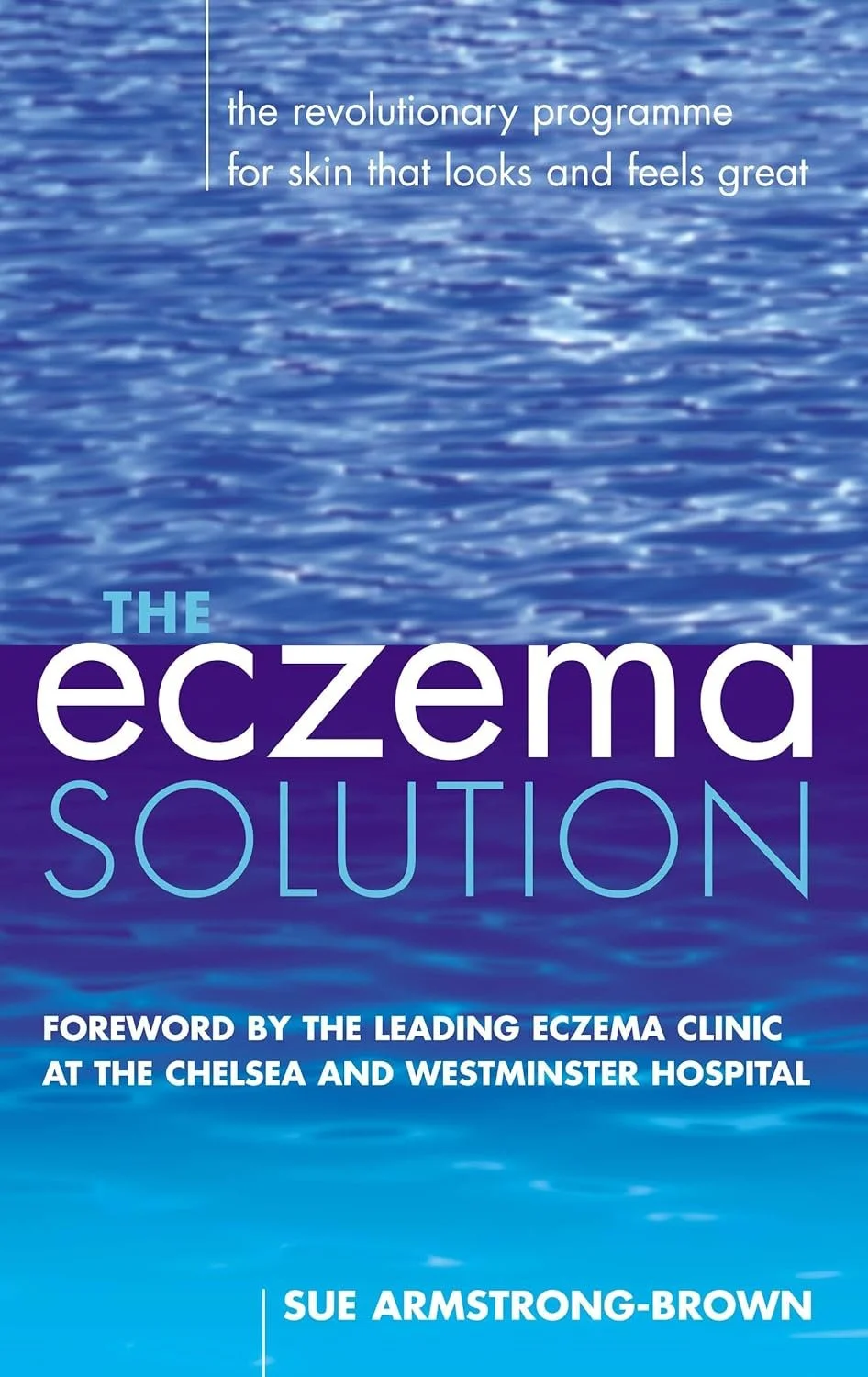
The Eczema Solution by Sue Armstrong-Brown
a patient-facing guide to the combined approach of habit reversal and optimised topical treatment, recommended by the National Eczema Society and based on the programme developed at Chelsea and Westminster Hospital. The most accessible and most evidence-grounded self-help resource available for the psychological dimension of eczema management.
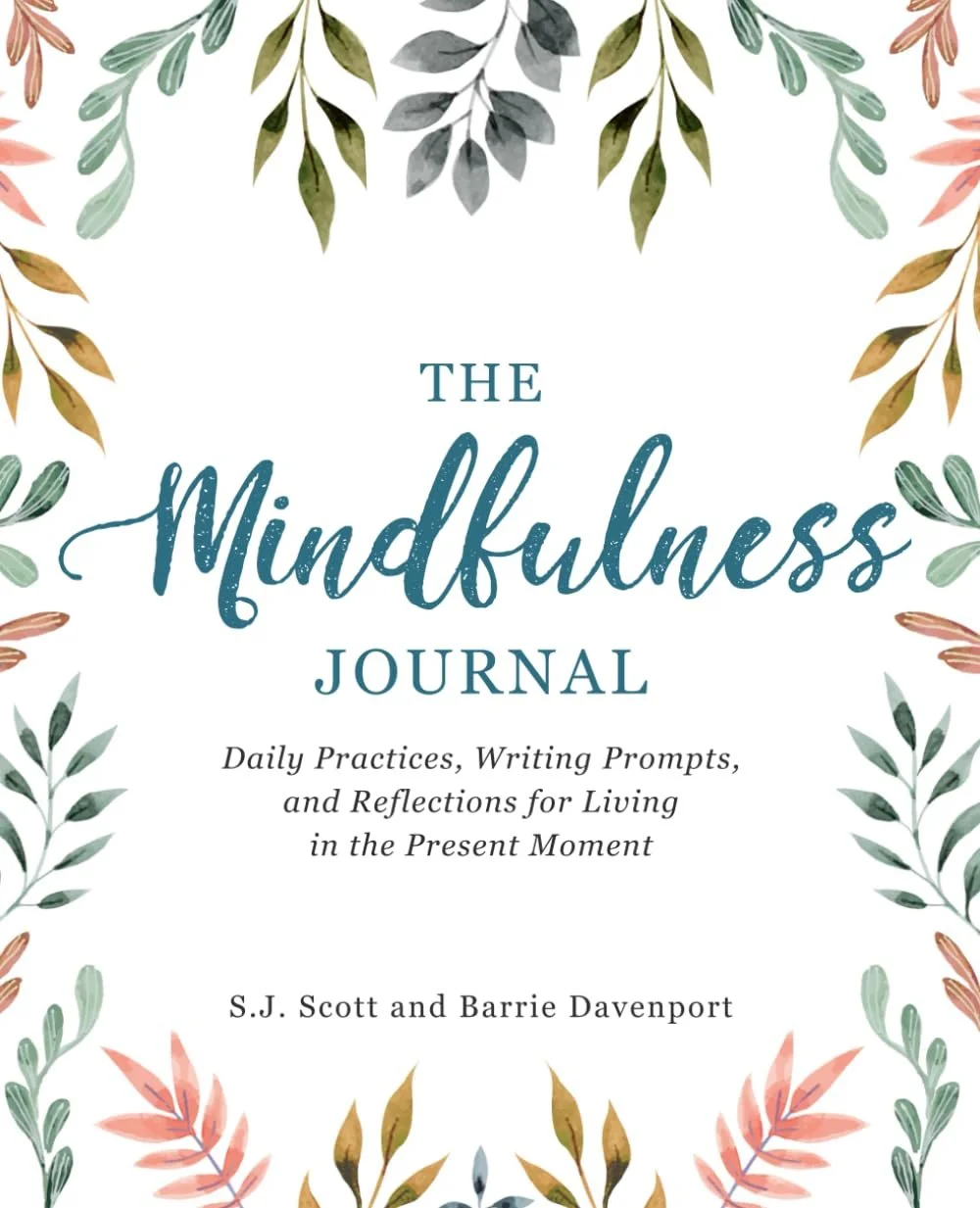
The Mindfulness Journal: Daily Practices, Reflections, and Prompts to Live More Fully
a structured daily mindfulness journal providing guided reflections and prompts for the stress awareness and nervous system regulation practices covered above. As covered in the anxiety-eczema cycle section, consistent mindfulness practice reduces sympathetic nervous system activation and substance P release — a daily journal habit makes this more sustainable than unstructured practice.
Anxiety, Sleep And Eczema
Sleep problems are common in both anxiety and eczema.
Eczema symptoms can make it difficult to sleep.
At the same time, poor sleep may contribute to:
Increased stress
Reduced coping ability
Greater inflammation
Increased itch sensitivity
This creates another cycle where anxiety, sleep disruption, and eczema symptoms can influence one another.
What doesn't help
Telling someone to "just relax." Anxiety in eczema is not a choice or a failure of willpower — it's a measurable neurobiological consequence of a chronic inflammatory condition that disrupts sleep, causes visible symptoms, and produces unpredictable flares. Advice that frames it as a mindset problem rather than a physiological one misses the mechanism and adds guilt to an already significant burden.
Treating anxiety with sedating antihistamines long-term. As covered in the histamine eczema article, sedating H1 antihistamines produce drowsiness that may temporarily reduce itch awareness but don't address the substance P or cortisol pathways driving the anxiety-itch connection. They're not an appropriate long-term anxiety management approach for eczema.
What Does The Research Say?
Research increasingly supports the idea that psychological wellbeing and eczema are connected.
Studies have found that:
Anxiety is more common among people with eczema.
Stress can influence flare frequency in some individuals.
Psychological wellbeing may affect quality of life in eczema sufferers.
However, it is important to remember that anxiety is only one piece of a much larger picture.
Eczema remains a complex condition influenced by multiple factors.
When to seek professional support
If anxiety is significantly affecting daily life, work, relationships, or sleep alongside eczema, GP assessment for referral to psychological support is appropriate. CBT for eczema is available through some NHS pathways; IAPT (Improving Access to Psychological Therapies) services provide CBT for anxiety generally and can be accessed via GP referral or self-referral in many areas.
Does Managing Anxiety Improve Eczema?
Stress reduction is not a cure for eczema.
However, some people find that improving stress management helps reduce the severity or frequency of flare-ups.
Approaches that may support overall wellbeing include:
Regular physical activity
Mindfulness practices
Relaxation techniques
Good sleep habits
Counselling or therapy when appropriate
Social support
Different strategies work for different people.
The Nervous System And Inflammation
Researchers are increasingly interested in the role of the nervous system in inflammatory conditions.
The emerging field of psychodermatology examines how mental health and skin health interact.
Although many questions remain unanswered, evidence continues to suggest that the nervous system may influence skin function more than previously believed.
Supplement Support For Skin Health
The cortisol and Th2 mechanisms connecting anxiety to eczema are the same internal pathways that nutritional support addresses — magnesium for HPA axis regulation moderating cortisol amplitude, vitamin D for Th2 immune modulation, vitamin C for barrier support alongside stress-related antioxidant depletion.
Drought's Skin Support Formula provides magnesium, vitamin D, vitamin C, zinc, and 10 other nutrients — supporting the internal nutritional foundations that the anxiety-eczema cycle specifically depletes. Made in the UK, suitable for vegetarians, designed for consistent long-term daily use.
FAQ
Can anxiety cause eczema?
No — but it worsens it through specific mechanisms: HPA axis cortisol elevation depleting ceramides and amplifying Th2 immune activity, and substance P neurogenic inflammation intensifying itch perception.
Why does my eczema get worse when I'm stressed?
Cortisol from anxiety disrupts ceramide synthesis and amplifies Th2 immune responses; substance P released by anxious nerve fibres directly degranulates mast cells, releasing histamine and inflammatory cytokines.
Is anxiety common in people with eczema?
Yes — published research consistently finds anxiety prevalence two to three times higher in people with eczema than the general population, driven by sleep disruption, visible symptoms, unpredictable flares, and the bidirectional cycle above.
Can stress management improve eczema?
Stress management is not a cure, but some individuals find it helps reduce flare frequency or severity.
Can CBT improve eczema?
Published evidence shows CBT reduces both eczema severity scores and psychological distress simultaneously — consistent with the bidirectional mechanism where addressing anxiety reduces the inflammatory driver.
What is habit reversal training for eczema?
A specific psychological technique teaching competing responses to scratch urges — particularly effective for the anxiety-driven scratching that compounds barrier damage beyond what inflammation itself produces.
When should I see my GP about eczema and anxiety?
If anxiety is significantly affecting daily life, work, relationships, or sleep alongside eczema — GP referral to CBT or IAPT self-referral is appropriate and evidence-supported.
What is the skin-brain connection?
The skin-brain connection refers to the complex relationship between the nervous system, immune system, and skin.
Summary
Anxiety and eczema share a specific bidirectional biological relationship — HPA axis cortisol elevation depleting ceramides and amplifying Th2 immune activity; substance P neurogenic inflammation intensifying itch perception; sympathetic activation impairing barrier repair and sleep. The cycle runs in both directions, which is why managing anxiety is a genuine clinical component of eczema management rather than a lifestyle add-on. CBT and habit reversal training have the strongest evidence base for breaking the psychological dimension of the cycle. Addressing the nutritional foundations — magnesium, vitamin D, vitamin C — addresses the internal physiological dimensions simultaneously.
In Short
Anxiety does not directly cause eczema.
Stress and anxiety can contribute to eczema flare-ups in some individuals.
The nervous system, immune system, and skin communicate closely.
Anxiety can worsen itching and contribute to the itch-scratch cycle.
Managing stress may support overall eczema management.
CBT and habit reversal address the anxiety-eczema cycle from the psychological direction — magnesium, vitamin D, and zinc address the HPA axis, Th2 dysregulation, and barrier repair consequences from within. Drought's Skin Support Formula provides all three alongside 11 other nutrients, supporting the internal foundations the cycle depletes. Made in the UK, suitable for vegetarians, designed for consistent long-term daily use.
Start your skin support journey →
Written by the Drought Skin team — specialists in natural support for psoriasis and eczema.
Disclaimer: This article contains affiliate links. We earn a very small commission from each purchase made through these links. There is no additional cost to you. All products featured have been specifically selected as products we personally use and love. For further information, please see our disclaimer page.
