
Eczema Action Plan: A Practical Step-by-Step Framework

An eczema action plan is a structured approach to managing a condition that is chronic, variable, and multifactorial. Unlike treating an acute illness — where you do one thing until it resolves — eczema management requires different protocols for different skin states, consistent habits during stable periods, and clear decision-making frameworks for when things deteriorate.
This article sets out a practical, evidence-based action plan drawing on the full series of eczema articles across this site. Each section links to the detailed article for anyone wanting to go deeper.
The core framework: two modes, two protocols
The most important organising principle for any eczema action plan is the two-mode approach. Applying the wrong protocol to the wrong skin state is the most common management mistake.
Mode 1: Stable skin — the goal is maintaining barrier function and preventing the next flare. A consistent, minimal routine with appropriate emollient use, trigger avoidance, and long-term nutritional support.
Mode 2: Active flare — the goal is reducing inflammation, protecting the barrier, and not making things worse. Simplify everything. Emollient only. Prescribed treatment as directed. No new products.
The transition between modes should be intentional rather than reactive.
Your stable skin protocol: daily habits that maintain the baseline
Morning:
Apply emollient within two to three minutes of bathing — this is the most important timing in the eczema routine. Shower with lukewarm water (not hot — heat triggers histamine release and strips barrier lipids). Gentle, fragrance-free, SLS-free cleanser. Pat dry; apply emollient immediately while skin is still slightly damp. Apply mineral SPF (zinc oxide or titanium dioxide) over emollient for the face.
Take your supplement with breakfast — fat-soluble nutrients (vitamin D, CoQ10) absorb better with dietary fat.
Evening:
Gentle rinse or full evening cleanse depending on day's activity. Apply generous emollient — the pre-sleep application is the most important of the day for overnight barrier repair. For very dry or resistant patches: petroleum jelly under a cotton layer overnight (wet wrap or dry occlusion). Bedroom at 16–19°C — this single environmental adjustment reduces nocturnal itch significantly.
Weekly:
Wash all bedding at 60°C — kills house dust mites. Change pillowcase every two to three days. Wash brushes and reusable makeup tools with fragrance-free cleanser. Replenish emollient supply before running out — running out and skipping applications is the most common consistency failure.
Monthly:
Review products being used — any new additions that coincide with worsened skin? Review trigger diary (below) for patterns. Schedule GP or dermatology follow-up if prescribed treatment is consistently needed more than recommended.
Trigger tracking: how to identify your personal patterns
As covered in the triggers article in this series, triggers vary significantly between individuals. A trigger diary provides the systematic approach that converts frustrating unpredictability into identifiable patterns.
What to track daily (takes two to three minutes):
Date and skin state (1 = calm, 2 = mild, 3 = moderate, 4 = severe/flaring). Products used — note any changes or additions. Foods eaten (especially if investigating food triggers). Sleep quality the previous night. Stress level (1–5 scale). Weather (temperature, humidity). Any notable events, exposures, or activities.
What patterns to look for:
Do flares consistently follow certain foods within 24–72 hours? Does skin worsen consistently after certain activities (exercise, swimming, specific products)? Is skin consistently better or worse in particular environments (home vs work, different seasons)? Does skin worsen the day after poor sleep?
After four to eight weeks of consistent tracking, patterns that were previously invisible often become clear. This is the evidence base for personalising your trigger management.
Your flare management protocol
When skin deteriorates — more itch, visible worsening, spreading involvement:
Step 1: Simplify immediately. Stop all actives, new products, and anything recently introduced. Eczema during a flare is maximally sensitised — any new ingredient is a potential additional trigger. Emollient only.
Step 2: Apply prescribed treatment as directed. This is what prescribed topical corticosteroids and calcineurin inhibitors are for. Start treatment at the first sign of flare, not after it's established — early treatment consistently produces shorter, less severe flares. If you don't have a current prescription, contact your GP.
Step 3: Address the probable trigger where identifiable. Stress → implement stress management practices. Poor sleep → prioritise sleep. Environmental trigger → reduce exposure. Suspected food → note for systematic investigation later.
Step 4: Avoid the common flare mistakes. Hot baths (worsens histamine and strips lipids). Introducing new products (can't attribute reactions during a flare). Rubbing rather than patting dry. Over-cleansing. Scratching — apply emollient or cool compress instead.
Step 5: Allow recovery time. A flare that has peaked and is improving will not clear overnight. With appropriate emollient and topical treatment, mild-to-moderate eczema typically shows meaningful improvement within one to two weeks. Assessing after two or three days is too early.
Recommended Products
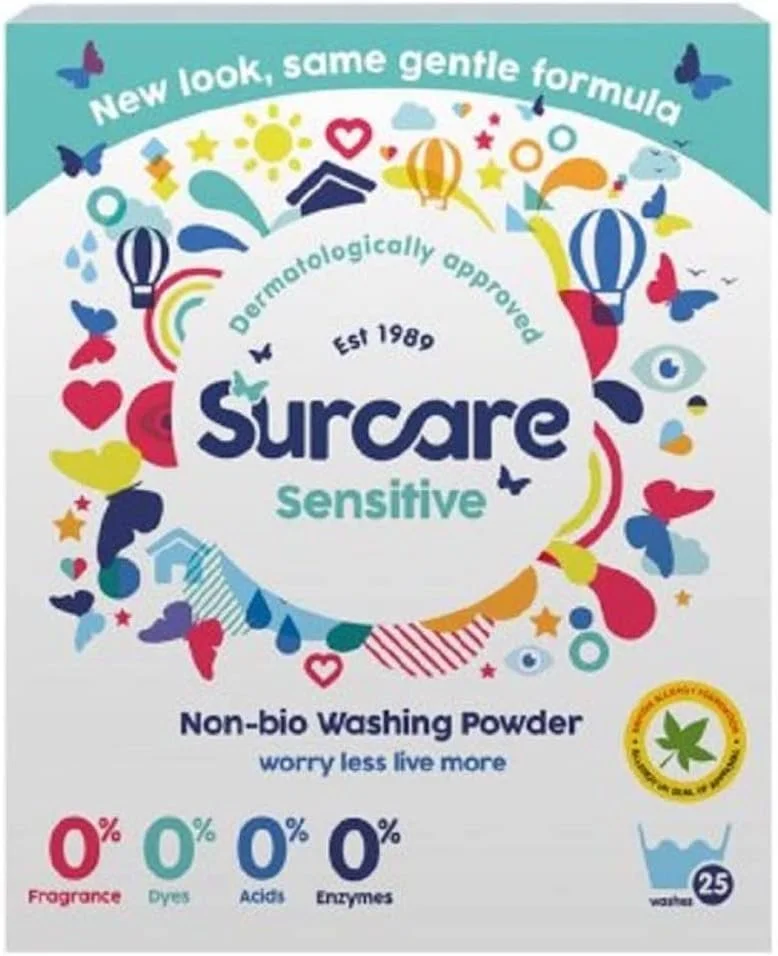
Surcare Non-Bio Fragrance Free Laundry Liquid
one of the most consistently recommended fragrance-free, non-biological laundry detergents for eczema in UK dermatology guidance. Free from fragrance, optical brighteners, and biological enzymes — the three most common laundry product triggers for eczema-prone skin. Fragrance compounds in conventional detergents remain in fabric after washing and are in direct, prolonged contact with eczema skin during sleep and wear. Non-biological formulations avoid the enzyme content of bio detergents that can irritate sensitised skin. Use alongside an additional rinse cycle and without fabric softener for the most complete fragrance and residue removal from bedding and clothing.
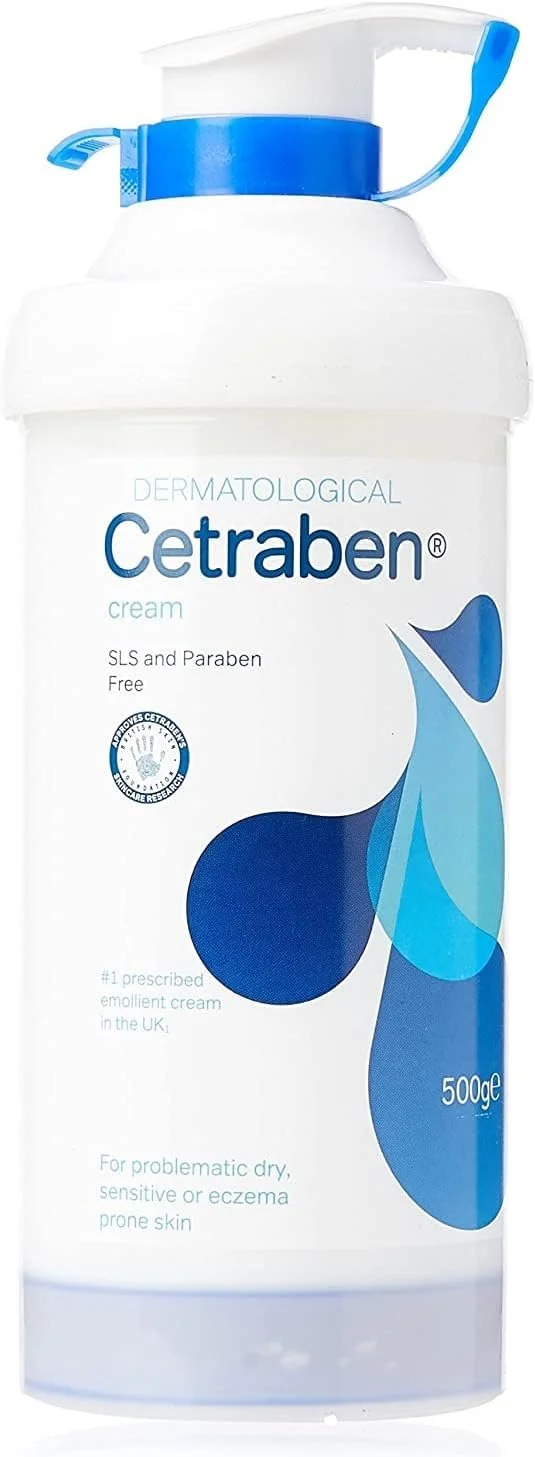
Cetraben Emollient Cream Pump
a fragrance-free, paraffin-based emollient providing occlusive barrier protection and humectant hydration for eczema-prone skin. Available in a pump format that makes daily consistent application practical rather than a chore — the pump dispenses without requiring hands to dig into a tub, maintaining product hygiene and reducing the contamination risk that can accumulate in open-pot emollients. As covered in the moisturising article in this series, the two-to-three minute post-bathing application window is where emollient has its greatest effect — the pump format supports this timing by making application fast. Suitable for face and body. Widely available in pharmacies and on NHS prescription for those who qualify.
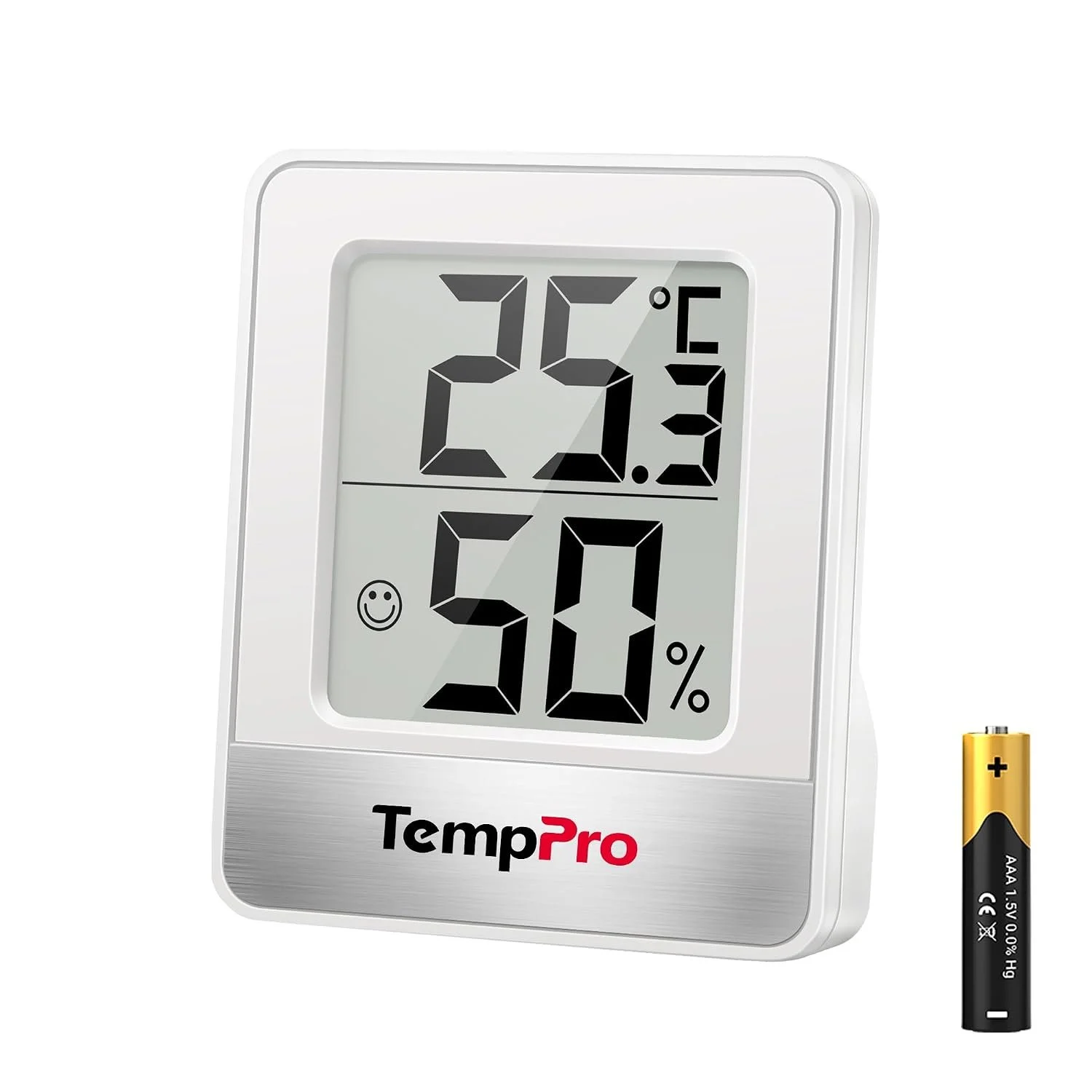
ThermoPro TP49 Digital Hygrometer Indoor Thermometer
a bedroom temperature and humidity monitor for implementing the environmental management that is a consistent but underappreciated component of eczema control. The action plan's bedroom guidance (16–19°C, 40–60% humidity) requires actual measurement rather than estimation — rooms that feel comfortable may be significantly outside the optimal range for eczema. Below 40% humidity accelerates transepidermal water loss through the compromised eczema barrier; above 60% creates conditions that favour S. aureus and dust mite proliferation. Temperature monitoring ensures the bedroom stays in the range where nocturnal itch is minimised and overnight barrier repair is supported. Place at bed level rather than at the wall for the most accurate reading of the sleep environment specifically.
Escalation criteria: when to contact your GP
Contact your GP promptly if:
Signs of secondary bacterial infection — increased warmth and pain (beyond itch), honey-coloured crusting, weeping that is thicker than usual, fever. These indicate infected eczema requiring antibiotic assessment. Emollient and topical steroids alone do not treat eczema infection.
Flare not responding to prescribed treatment within five to seven days of consistent use.
Significant body surface area involvement — widespread eczema requires assessment and may need systemic treatment consideration.
Eczema in infants and young children — more conservative thresholds apply and parental anxiety during significant infant flares warrants professional support.
Seeking treatment escalation — if frequent flares and significant impact on quality of life are occurring despite appropriate management, dupilumab assessment (EASI ≥16 is the NICE threshold, as covered in the EASI score article) should be a GP or dermatology conversation.
The five pillars of long-term eczema management
The action plan works when it addresses all five dimensions simultaneously:
1. Barrier support — consistent emollient, the two-to-three minute window, fragrance-free skincare. Covered in detail in the moisturising and skincare routine articles.
2. Trigger management — systematic tracking, dust mite reduction, fragrance elimination, clothing choices. Covered in the triggers, home environment, and clothing articles.
3. Inflammation management — prescribed topical treatment used appropriately, early in flares rather than delayed.
4. Internal nutritional support — vitamin D (filaggrin upregulation), zinc (immune regulation and barrier repair), omega-3 (eicosanoid inflammatory pathway), prebiotic fibre (gut-skin axis). Covered in the supplements, omega-3, zinc, vitamin D, and fibre articles.
5. Lifestyle foundations — sleep (barrier repair and inflammatory balance), stress management (cortisol-ceramide-barrier), exercise (dermcidin and inflammatory reduction). Covered in the sleep and stress articles.
Drought's Skin Support Formula addresses pillar 4 — providing vitamin D, zinc, vitamin C, magnesium, and 10 other nutrients in the daily supplement that forms the nutritional foundation of long-term eczema management. Made in the UK, suitable for vegetarians, designed for consistent long-term daily use.
Realistic expectations: what this plan achieves
Eczema is chronic — most people with moderate-to-severe atopic eczema will have flares throughout their lives. An action plan does not eliminate eczema. What it does:
Reduces flare frequency by maintaining a lower baseline inflammatory threshold. Reduces flare severity by ensuring appropriate treatment is applied early rather than late. Shortens recovery time by maintaining barrier function and emollient consistency between flares. Improves quality of life by making the condition more predictable and less overwhelming.
The most consistent finding across eczema management research is that consistency of emollient use is the most impactful single variable within the patient's control. Not the brand, not the formulation, not the frequency — the consistency.
FAQ
What is an eczema action plan?
A structured approach to managing eczema across two distinct skin states — stable skin and active flare — with different protocols for each. The stable skin protocol focuses on maintaining barrier function through consistent emollient use, trigger avoidance, and nutritional support. The flare protocol focuses on simplifying everything, applying prescribed treatment early, and not introducing anything new while skin is maximally sensitised. The most common management mistake is applying the same routine to both states — or having no protocol at all and responding reactively. An action plan makes the management intentional and consistent rather than reactive and variable.
What should an eczema action plan include?
A daily stable-skin routine, a flare management protocol, a trigger tracking system, escalation criteria for when to seek medical help, and the five management pillars (barrier, triggers, inflammation, nutrition, lifestyle).
How do I track eczema triggers?
A daily diary noting skin state (1–4), sleep quality, stress level, products used, foods eaten, and weather conditions. Patterns typically become visible within four to eight weeks.
When should I see a GP about my eczema?
Signs of secondary infection, flare not responding to prescribed treatment within five to seven days, widespread involvement, and persistent significant impact on quality of life that warrants treatment escalation assessment.
How long does it take to see improvement from consistent eczema management?
Weeks to months of consistent routine — barrier recovery takes time. Assessing within a few days is too early. Four to eight weeks of consistent practice is a meaningful assessment period.
Can eczema be cured with an action plan?
No — atopic eczema has a genetic basis in filaggrin deficiency and Th2 immune dysregulation that a management plan cannot correct at root. What consistent five-pillar management achieves is a lower inflammatory baseline from which triggers produce less severe responses, earlier treatment of flares reducing their severity and duration, more predictable patterns through systematic trigger identification, and a better quality of life through the reduced uncertainty that comes from having clear protocols for different skin states. The most consistent finding across eczema management research is that consistency of emollient use is the most impactful single variable within the patient's control — not the brand or formulation, but the consistency.
Summary
Eczema is chronic — the two-mode framework, trigger tracking, escalation criteria, and five pillars in this plan don't eliminate it. What they do is shift the experience from unpredictable and overwhelming to manageable and increasingly predictable. Flares become shorter, less severe, and more explainable. The barrier stays more resilient between them. The escalation criteria ensure the right level of medical support is sought at the right time. Consistency across all five pillars over weeks and months produces cumulative improvement that no single intervention achieves in isolation — and consistency, not perfection, is what this plan requires.
Written by the Drought Skin team — specialists in natural support for psoriasis, eczema and acne
Disclaimer: This article contains affiliate links. We earn a very small commission from each purchase made through these links. There is no additional cost to you. All products featured have been specifically selected as products we personally use and love. For further information, please see our disclaimer page.
