
Creatine & Acne: The DHT Mechanism, the Evidence & Who's Most at Risk
Creatine is the most extensively researched sports supplement available — and the question of whether it worsens acne is simultaneously one of the most commonly searched and least clearly answered questions in the acne community. The honest picture is more specific than either "creatine definitely causes acne" or "there's no evidence it does" — both of which miss the mechanism that makes the question worth examining at all.
The mechanism: how creatine could affect acne
The most plausible biological connection between creatine and acne runs through dihydrotestosterone (DHT) rather than through any direct effect on sebum production or C. acnes bacterial activity.
A 2009 randomised controlled trial by van der Merwe et al. in college-aged rugby players found that three weeks of creatine supplementation (loading phase followed by maintenance) significantly increased serum DHT levels and the DHT:testosterone ratio. DHT is produced from testosterone through the enzyme 5-alpha-reductase — the same enzyme that zinc inhibits, that finasteride blocks, and that is the primary driver of androgen-sensitive acne through its stimulation of sebaceous gland activity.
The mechanism is therefore:
Creatine → increased DHT → increased 5-alpha-reductase activity → increased sebaceous gland stimulation → increased sebum production → worsened acne in androgen-sensitive individuals.
This is a plausible and specific mechanistic chain — not a confirmed causal relationship, but considerably more specific than "timing coincidence" as an explanation for the reports of creatine-associated breakouts in the gym community.
The androgen sensitivity caveat
The critical variable is individual androgen sensitivity — and this is why creatine appears to worsen acne in some people and have no skin effect in others.
Androgen sensitivity is largely genetically determined. People with higher androgen receptor sensitivity in their sebaceous glands produce more sebum in response to the same DHT levels — which is why two people with identical hormone profiles can have dramatically different acne severity. The same principle applies to creatine-associated DHT elevation: someone with low androgen sensitivity may see no skin change from elevated DHT; someone with high androgen sensitivity may see meaningful sebum increase and worsening acne.
This explains the pattern reported in the community — creatine-associated acne tends to appear in people who already have androgen-sensitive or hormonally influenced acne, particularly inflammatory spots on the cheeks, jawline, and back, rather than in people with primarily comedonal or skin-barrier-related acne.
What the evidence actually shows
The van der Merwe 2009 study is the primary evidence for creatine's DHT effect — it's a single RCT in a specific population (young male rugby players) and has not been replicated at scale. The DHT increase was statistically significant but the study was not designed to assess acne outcomes.
No published clinical trial has directly examined creatine supplementation and acne severity as a primary endpoint. The existing evidence is therefore:
Mechanism: plausible and specific (DHT elevation → androgen-sensitive sebaceous stimulation) Direct acne evidence: absent Indirect hormonal evidence: one RCT showing DHT elevation in a specific population
This is a more honest and more useful picture than "no evidence it causes acne" — the mechanism is real and the absence of direct evidence reflects that no one has specifically studied it, not that the effect doesn't exist.
The confounding factors worth ruling out first
Before attributing acne to creatine specifically, it's worth considering whether other concurrent changes are more likely drivers:
Whey protein — a more consistently documented acne driver through IGF-1 elevation and mTORC1 activation. If you started both whey and creatine simultaneously, whey is the more likely culprit. As covered in the protein and acne article in this series, switching to plant protein while keeping creatine tests the two variables separately.
Increased training intensity and sweating — friction acne (acne mechanica) from gym equipment, clothing, and helmets is a distinct mechanism from hormonal acne and doesn't respond to stopping creatine.
Caloric surplus and dietary changes — high-glycaemic eating and dairy consumption during a bulking phase both have stronger evidence for acne than creatine does.
Creatine loading phase — the initial high-dose loading period may produce more pronounced DHT elevation than the maintenance dose. Some people report breakouts during loading that don't persist during maintenance.
Who is most likely to be affected
Based on the mechanism and community pattern:
Higher risk: people with existing androgen-sensitive acne (hormonally influenced, jawline/back distribution, worsening pre-period in women); people taking other supplements that also elevate androgens or IGF-1 (whey protein, testosterone boosters, DHEA); people at hormonal transition points (mid-teens, early 20s, perimenopause).
Lower risk: people with primarily comedonal or barrier-related acne without a clear hormonal pattern; people who have used creatine previously without skin changes; people with low baseline androgen sensitivity.
Does stopping creatine improve acne?
If creatine is contributing to acne through DHT elevation, improvement after cessation should follow the timeline of DHT normalisation — typically two to four weeks after stopping supplementation for the hormonal change to reverse, followed by a further four to six weeks for the sebum reduction to translate into visible skin improvement given acne's 10–14 day spot development lag.
If acne has not improved meaningfully eight to ten weeks after stopping creatine, the creatine was likely not the primary driver — other factors (diet, stress, hormonal cycle, other supplements) are more probably responsible.
Practical guidance
If you have androgen-sensitive acne and want to use creatine: consider skipping the loading phase (starting directly at 3–5g daily maintenance dose), monitor skin specifically over the first six to eight weeks, and address the internal androgen pathway through zinc's 5-alpha-reductase inhibition alongside the supplement.
If you develop new acne after starting creatine: rule out whey protein, dietary changes, and training friction first. If these are excluded, a six to eight week creatine pause with careful skin monitoring will confirm or exclude creatine as a driver more reliably than continuing to supplement while making multiple changes.
If you want to keep training effectively without creatine: the ergogenic evidence for creatine is strong, but the performance benefit is most pronounced in high-intensity short-duration activities. Endurance athletes and people training at moderate intensity may find the skin-performance tradeoff less compelling than powerlifters or sprinters.
Recommended Products
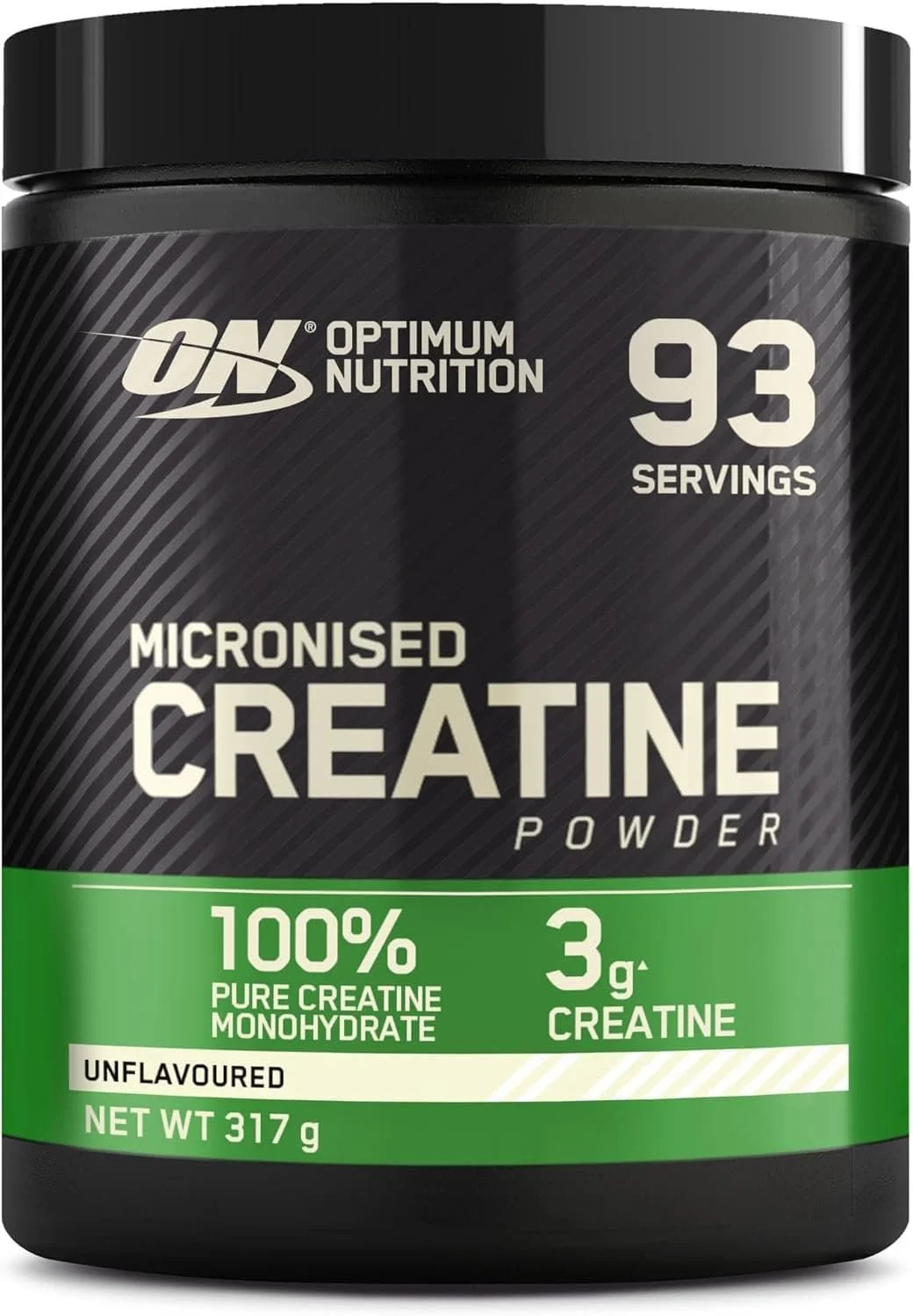
Optimum Nutrition Micronised Creatine Monohydrate Powder
a pure, unflavoured creatine monohydrate with no additives, sweeteners, or flavourings. As covered above, creatine monohydrate is the form used in all major ergogenic research including the van der Merwe 2009 DHT study — and for people with androgen-sensitive acne who choose to continue supplementing, starting directly at the 3–5g daily maintenance dose rather than using a loading phase reduces the acute DHT elevation associated with the higher loading doses. Single-ingredient format avoids the additional acne-relevant compounds (whey protein, added BCAA leucine, testosterone-boosting herbal extracts) found in many pre-formulated creatine products that are likely more significant acne drivers than the creatine itself.
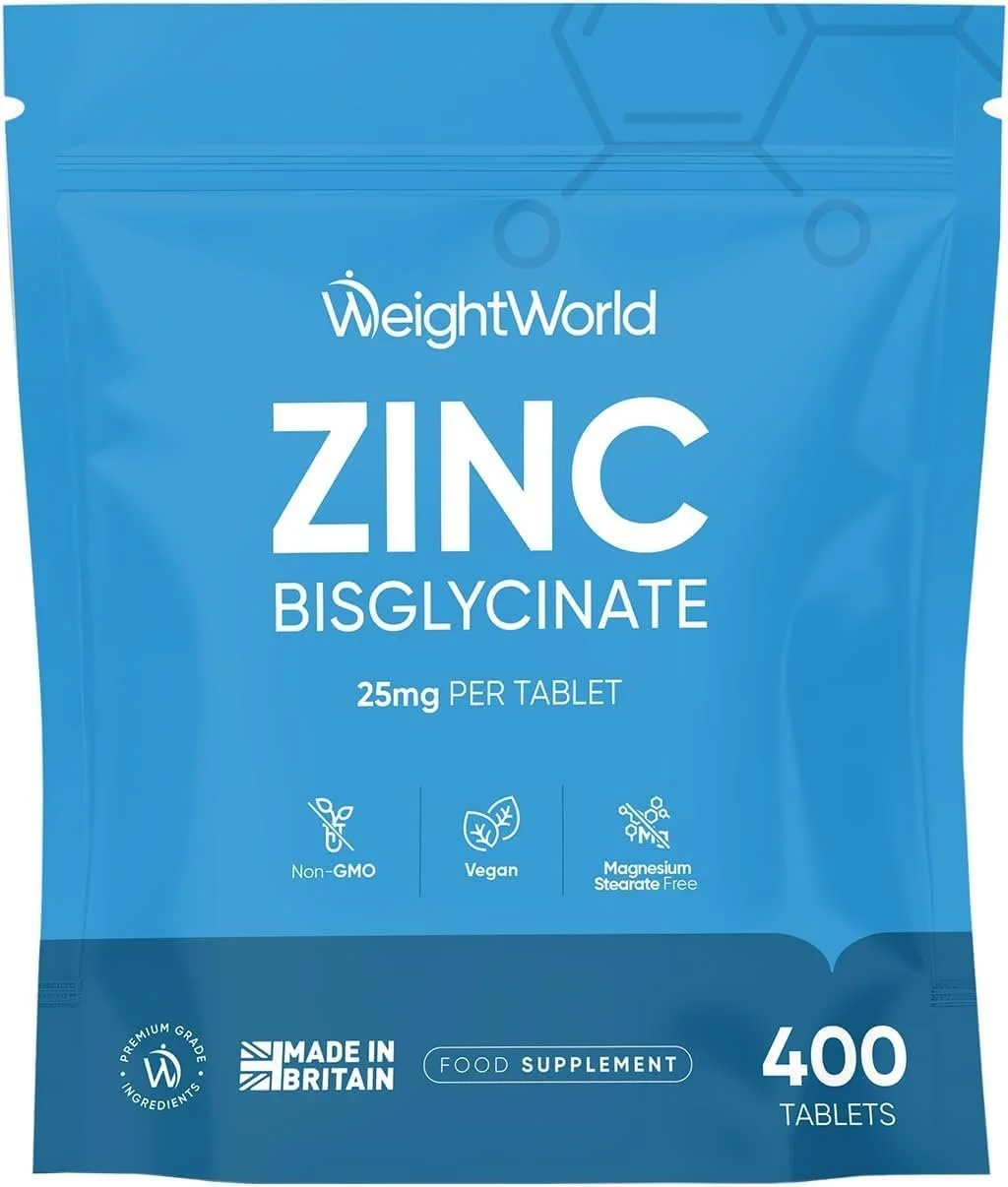
Weight World Zinc Bisglycinate Capsules
a highly bioavailable zinc chelate directly addressing the 5-alpha-reductase enzyme pathway through which creatine's DHT elevation worsens androgen-sensitive acne. Zinc inhibits 5-alpha-reductase — the same enzyme that converts testosterone to DHT, the same pathway finasteride blocks pharmaceutically, and the same mechanism through which creatine's acne risk operates. Zinc bisglycinate absorbs through amino acid transporters rather than competing with other minerals, making it the most bioavailable and best-tolerated zinc form. For people with androgen-sensitive acne who choose to continue creatine supplementation, addressing the downstream pathway with zinc is the most specifically mechanistically justified internal support available
Supplement Support For Acne-Prone Skin
Zinc's 5-alpha-reductase inhibition directly addresses the same enzyme pathway through which creatine's DHT elevation worsens acne — making zinc the most specifically relevant internal support for people with androgen-sensitive acne who choose to continue creatine supplementation. Vitamin D modulates the TLR2 immune response that determines whether elevated sebum production triggers inflammatory lesions rather than remaining comedonal.
Drought's Skin Support Formula provides zinc and vitamin D alongside vitamin C, magnesium, and 10 other nutrients — addressing the androgen-sensitive acne pathway most specifically relevant to creatine's mechanism, alongside the broader internal foundations of acne management. Made in the UK, suitable for vegetarians, designed for consistent long-term daily use.
FAQ
Does creatine cause acne?
Not directly — but creatine's documented DHT elevation through 5-alpha-reductase stimulation can worsen acne in people with androgen-sensitive sebaceous glands. Individual response varies significantly.
Why do some people get acne after starting creatine?
Androgen sensitivity is genetically variable — people with high sebaceous gland androgen receptor sensitivity produce more sebum in response to the same DHT elevation, making them more susceptible to creatine-associated acne.
Does creatine increase testosterone?
Creatine does not consistently increase total testosterone in published research. The more specific and more relevant finding is the van der Merwe 2009 RCT showing significant elevation in DHT and the DHT:testosterone ratio — meaning creatine appears to increase the conversion of existing testosterone to DHT through 5-alpha-reductase activity rather than increasing testosterone production itself. DHT is considerably more potent than testosterone at sebaceous gland stimulation — a smaller amount of DHT produces a disproportionately large increase in sebum output. This distinction matters practically: testing total testosterone wouldn't detect the acne-relevant hormonal change that creatine produces.
Will stopping creatine clear my acne?
If creatine is contributing, expect two to four weeks for DHT normalisation followed by four to six further weeks for visible skin improvement — totalling six to ten weeks post-cessation before assessing the result.
What can I take instead of creatine?
There is no direct equivalent — creatine monohydrate has the strongest and most consistent ergogenic evidence of any legal sports supplement and its performance benefits are well-established. For people whose androgen-sensitive acne is significantly worsened by creatine, the practical options are: skipping the loading phase and starting at 3–5g daily maintenance to reduce acute DHT elevation; cycling creatine rather than using it continuously; addressing the 5-alpha-reductase downstream pathway with zinc supplementation; or accepting that creatine's skin effect is too significant and focusing on training optimisation through periodisation, nutrition timing, and sleep rather than supplement support.
Does the loading phase make acne worse?
Possibly — the higher-dose loading phase may produce more pronounced DHT elevation than maintenance dosing. Skipping loading and starting at 3–5g daily maintenance dose is worth trying for androgen-sensitive skin.
Should I stop taking creatine if I develop acne?
If a clear temporal pattern suggests creatine is contributing — new acne appearing within two to four weeks of starting, particularly in a hormonal distribution (jawline, chin, back) — a structured cessation trial is worth pursuing. Stop creatine, keep all other variables constant, and monitor skin for six to ten weeks: two to four weeks for DHT to normalise and a further four to six weeks for the sebum reduction to manifest in visible skin improvement. If acne has not meaningfully improved after ten weeks, creatine was likely not the primary driver and other factors — whey protein, dietary changes, training friction, or hormonal background — warrant investigation instead.
Is whey protein more likely to cause acne than creatine?
Whey protein has more consistently documented acne associations through IGF-1 elevation and mTORC1 activation. If both were started simultaneously, whey is more likely the driver.
Summary
Creatine's connection to acne runs through documented DHT elevation via the 5-alpha-reductase pathway — the same androgen pathway that drives hormonal acne generally. The van der Merwe 2009 RCT confirms DHT elevation from creatine supplementation; no trial has directly studied acne as an outcome. The effect is individually variable and most likely in people with existing androgen-sensitive acne. Whey protein, dietary changes, and training friction should be ruled out before attributing new acne to creatine specifically. If creatine is genuinely driving acne, improvement should follow two to ten weeks after cessation. Zinc's 5-alpha-reductase inhibition is the most specifically relevant internal support for people managing creatine-associated androgenic acne.
Written by the Drought Skin team — specialists in natural support for psoriasis, eczema and acne
Disclaimer: This article contains affiliate links. We earn a very small commission from each purchase made through these links. There is no additional cost to you. All products featured have been specifically selected as products we personally use and love. For further information, please see our disclaimer page.
