
Can Vaping Make Eczema Worse? What the Evidence Actually Shows
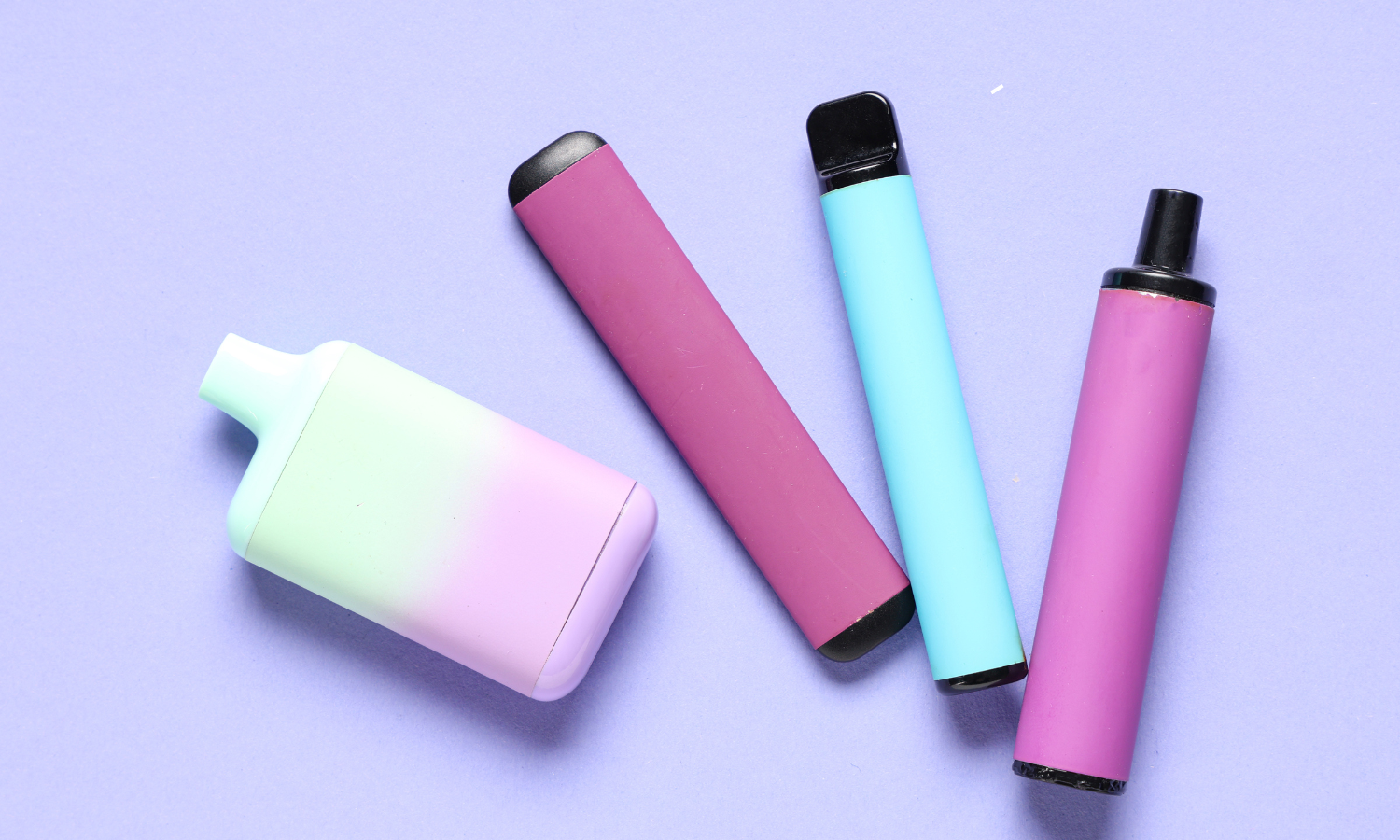
Vaping is widely presented as a cleaner alternative to smoking — and for respiratory health, the evidence does suggest it is less harmful than cigarettes. For skin health, and specifically for eczema-prone skin, the picture is more nuanced.
Research on vaping and skin is still limited compared to the extensive evidence base on cigarette smoking and skin conditions. But what does exist points to several mechanisms through which regular vaping could plausibly worsen eczema — not through dramatic acute reactions, but through the sustained effects of specific compounds on skin barrier function, inflammation, and immune reactivity.
Why Researchers Are Interested In Vaping & Skin Health
Eczema is closely linked to:
Inflammation
Skin barrier dysfunction
Immune system activity
Environmental irritation
Researchers are interested in vaping because e-cigarette vapour contains:
Nicotine
Chemical flavourings
Solvents
Aerosol particles
all of which may potentially affect inflammation and skin health.
Skin health is often influenced by both internal and environmental exposures.
What vape aerosol actually contains
Understanding why vaping might affect eczema starts with understanding what the aerosol actually contains — which is considerably more than the "water vapour" description often used in marketing.
E-cigarette aerosol is produced by heating e-liquid (typically a mixture of propylene glycol, vegetable glycerin, nicotine, and flavourings) to temperatures of 100–250°C. The heating process generates:
Propylene glycol and vegetable glycerin vapour. The carrier solvents. Propylene glycol is a known skin irritant and contact sensitiser at high concentrations — it is used in patch testing specifically because it can produce contact reactions in sensitive individuals. Inhaled and exhaled, it also has a drying effect on mucous membranes.
Aldehydes. At higher heating temperatures — common in higher-powered devices — propylene glycol and vegetable glycerin break down to produce formaldehyde, acetaldehyde, and acrolein. Formaldehyde is a well-documented contact allergen and immune irritant. Acrolein is a respiratory irritant also found in cigarette smoke.
Flavouring chemicals. This is the most underappreciated skin-relevant aspect of vaping. E-liquids contain a wide variety of flavouring compounds — many of which have been identified as contact allergens or skin sensitisers. Benzaldehyde (almond/cherry flavours), cinnamaldehyde (cinnamon flavours), diacetyl (buttery flavours), and citral (citrus flavours) are among the flavourings associated with respiratory and skin sensitisation in occupational and consumer contexts. People with eczema, who have a higher rate of contact sensitisation than the general population, may be at elevated risk of reacting to inhaled or skin-deposited flavouring compounds.
Nicotine. The primary pharmacologically active compound in most vape products.
How nicotine specifically affects skin
Nicotine has well-documented effects on skin vasculature and healing that are relevant to eczema:
Vasoconstriction. Nicotine constricts peripheral blood vessels, reducing blood flow to the skin. Reduced circulation limits oxygen and nutrient delivery to skin tissue — including the nutrients and immune cells involved in barrier repair and inflammation resolution. This is one reason nicotine use (whether from vaping or other sources) is associated with slower wound healing.
Immune modulation. Nicotine acts on nicotinic acetylcholine receptors found on immune cells. Its effects on immune function are complex and bidirectional — some research has found anti-inflammatory effects at certain doses, while other findings suggest it increases skin mast cell reactivity. For eczema, where mast cell histamine release drives itch and barrier disruption, increased mast cell reactivity is directly relevant.
Oxidative stress. Nicotine and the other compounds in vape aerosol generate free radicals that contribute to oxidative stress in tissue. As noted throughout this series, oxidative stress amplifies inflammatory responses in eczema-prone skin.
The contact allergen angle
This is the most specific and underappreciated vaping-eczema connection.
People who vape exhale aerosol that deposits flavouring compounds on surfaces — including the skin of the hands and face. For someone with eczema, regular skin contact with cinnamaldehyde, benzaldehyde, or other identified contact allergens in vape flavourings could theoretically trigger or maintain contact sensitisation over time.
This is more relevant for people who hold the device frequently (hand contact with the aerosol exit point) or who vape in enclosed spaces where aerosol settles on skin. The evidence is preliminary — there are no large studies specifically examining contact sensitisation from vape flavourings in eczema populations — but the mechanism is plausible and consistent with what we know about contact allergy development.
How vaping compares to cigarette smoking for eczema
The evidence base for cigarette smoking and skin conditions is considerably more developed than for vaping. Cigarette smoke is associated with:
Higher rates of atopic eczema in children exposed to secondhand smoke. Worsening of adult eczema severity with active smoking. Increased oxidative stress, inflammatory cytokine production, and skin barrier disruption through multiple well-documented pathways.
Vaping eliminates some of the most harmful cigarette combustion products — particularly polycyclic aromatic hydrocarbons (PAHs) covered in the air pollution article in this series. But it introduces different compounds — flavouring chemicals, propylene glycol breakdown products — about whose long-term skin effects much less is known.
The honest position: vaping is probably less harmful for eczema than cigarette smoking, but "less harmful" does not mean "without effect." The specific compounds in vape aerosol have their own mechanisms of skin relevance.
Supplement Support for Dry, Sensitive Skin
Whatever environmental exposures are present, the internal nutritional foundations of skin barrier function remain relevant. Antioxidant nutrients — vitamin C, CoQ10, and vitamin E — help neutralise the oxidative stress generated by environmental compound exposure. Zinc supports barrier repair. Vitamin D modulates the immune responses that vaping-related compounds may activate.
Drought's Skin Support Formula provides 14 nutrients including vitamin C, CoQ10, zinc, and vitamin D — supporting the internal antioxidant and immune regulation relevant to skin exposed to environmental stressors. Made in the UK, suitable for vegetarians, designed for consistent long-term daily use.
Who is most likely to be affected
Not everyone who vapes will notice eczema changes. Based on the mechanisms above, the people most likely to be affected are:
Those with significant contact allergy history — already sensitised immune systems are more likely to react to flavouring compound exposure. Those who use high-powered devices at high temperatures — which generate more aldehyde breakdown products. Those with existing severe or poorly controlled eczema — already-compromised barriers are more vulnerable to additional chemical irritant exposure. Those who vape heavily and frequently — cumulative exposure increases the likelihood of any sensitisation or irritant effect developing.
Practical considerations
If you vape and manage eczema, a few practical steps reduce the relevant risk:
Wash hands after handling the device, particularly before touching your face. Choose simpler, unflavoured or minimally flavoured e-liquids — this reduces flavouring compound exposure, which is the most specific skin-relevant concern. Avoid vaping in enclosed spaces where aerosol settles on skin over time. Consider whether nicotine replacement options with less skin-relevant chemical exposure (patches, gum) might be appropriate — though these have their own profiles and should be discussed with a GP.
Maintaining consistent emollient use and barrier support remains the most important practical eczema management regardless of vaping status.
FAQ
Can vaping make eczema worse?
Plausibly yes — through several specific mechanisms rather than a single definitive pathway. Propylene glycol in vape aerosol is a documented contact sensitiser that can irritate eczema-prone skin through both inhalation and surface deposition. Aldehyde breakdown products (formaldehyde, acetaldehyde, acrolein) generated at higher heating temperatures are documented immune irritants. Flavouring chemicals including cinnamaldehyde and benzaldehyde are recognised contact allergens that people with eczema — who have significantly elevated contact sensitisation rates — are more likely to react to. Nicotine constricts peripheral blood vessels, reducing the skin circulation that barrier repair and inflammatory resolution require. The evidence is preliminary rather than definitive, but the mechanisms are real and specific.
Does nicotine affect eczema?
Yes — through three specific pathways. Nicotine causes peripheral vasoconstriction that reduces blood flow and oxygen delivery to skin tissue, slowing both barrier repair and inflammatory resolution. It acts on nicotinic acetylcholine receptors on mast cells, potentially increasing histamine release — directly relevant to eczema's itch and barrier disruption cycle. And nicotine contributes to systemic oxidative stress that amplifies the inflammatory cascade driving eczema. These mechanisms are shared between cigarette smoking and vaping — the nicotine delivery route differs but the pharmacological skin effects are substantially the same.
Can vaping dry out the skin?
Yes — through two distinct mechanisms. Propylene glycol, the primary carrier solvent in most e-liquids, is hygroscopic — it draws moisture from surrounding tissue including skin surface and mucous membranes. Regular vaping produces a cumulative drying effect on skin and airways through this mechanism. Additionally, nicotine-induced vasoconstriction reduces sebaceous gland activity and the skin surface lipid layer that contributes to natural moisture retention. People who report increased skin dryness after starting vaping are likely experiencing both effects simultaneously.
Are vape flavourings bad for eczema?
Potentially — and this is the most underappreciated vaping-eczema connection. E-liquid flavourings include cinnamaldehyde (cinnamon), benzaldehyde (almond, cherry), diacetyl (butter), and citral (citrus) — all of which are recognised contact allergens or skin sensitisers in occupational and consumer exposure research. People with eczema have elevated contact sensitisation rates compared to the general population, making them more susceptible to developing reactions to these compounds through repeated inhalation and skin deposition. Unflavoured or minimally flavoured e-liquids reduce this specific risk profile significantly — if you vape and manage eczema, this is the single most directly actionable modification available.
Is vaping better for eczema than smoking cigarettes?
Probably — but the comparison is more nuanced than "vaping is safe." Cigarette smoke contains polycyclic aromatic hydrocarbons, tar, and combustion products with well-documented inflammatory and barrier-disrupting effects on eczema. Vaping eliminates these combustion products. However vaping introduces different compounds — propylene glycol breakdown aldehydes and flavouring contact allergens — that cigarettes don't contain in the same way. The honest position is that vaping is likely less harmful for eczema than cigarette smoking, but replaces one set of skin-relevant compounds with another rather than eliminating the concern entirely.
Can stress from nicotine use affect eczema?
Yes — through a specific and important mechanism. Nicotine dependence creates a cyclical stress-anxiety pattern: nicotine initially reduces anxiety through acetylcholine receptor activation, then withdrawal between vaping sessions elevates cortisol through HPA axis dysregulation — the same cortisol amplification pathway that stress-triggered eczema flares operate through. Regular nicotine users may experience chronically elevated baseline cortisol during the periods between vaping sessions — worsening the stress-triggered flare pattern rather than reducing it. This is distinct from the direct chemical effects of vape aerosol on skin and operates independently of whether the person subjectively feels stressed.
What should I do if I vape and have eczema?
The most practically evidence-proportionate steps in order of impact: choose unflavoured or minimally flavoured e-liquids to reduce flavouring contact allergen exposure; wash hands after handling the device before touching your face; avoid vaping in enclosed spaces where aerosol settles on skin surfaces; use lower-powered devices at lower temperatures to reduce aldehyde generation; maintain consistent fragrance-free emollient use to support the barrier function that vaping-related compounds are most likely to compromise; and monitor skin over a four to eight week period of reduced vaping to establish whether vaping is contributing to your individual flare pattern. Discuss cessation options with your GP if you want to stop — nicotine replacement options have their own profiles and medical guidance makes the process more effective.
Summary
Vaping is not proven to cause eczema or to worsen it in every person who vapes. The evidence is preliminary rather than definitive. But the mechanisms are real: propylene glycol and its breakdown products are known irritants and potential sensitisers; flavouring chemicals include recognised contact allergens; nicotine constricts blood vessels and affects mast cell reactivity; and oxidative stress from vape aerosol compounds amplifies inflammatory responses in sensitive skin. The people most likely to be affected are those with existing contact allergy history, those using high-powered devices, and those vaping heavily and frequently. For most people with eczema who vape, the most pragmatic response is consistent barrier support, minimising flavouring compound exposure, and monitoring whether skin improves during periods of reduced vaping.
Written by the Drought Skin team — specialists in natural support for psoriasis, eczema and acne
Disclaimer: This article contains affiliate links. We earn a very small commission from each purchase made through these links. There is no additional cost to you. All products featured have been specifically selected as products we personally use and love. For further information, please see our disclaimer page.
-
Eczema and Air Pollution: How Pollutants Affect the Skin Barrier & What Helps
Psoriasis & Eczema Triggers: What Causes Flare-Ups & How to Identify Yours
How Stress Triggers Eczema & Psoriasis Flare-Ups
Moisturising for Eczema: How to Do It Properly & What Actually Works
Eczema and Allergies: The Connection, Common Triggers & What Actually Helps
