
Yoga for Eczema & Psoriasis: How It Reduces Cortisol, the Sweat Caveat & Which Styles Work Best
Yoga isn't the first thing most people think of when managing eczema or psoriasis. Emollients, topical treatments, dietary changes, and supplements tend to dominate the conversation — all with good reason. But the relationship between the nervous system, stress, and inflammatory skin conditions is well-established enough that dismissing yoga as purely complementary misses something real.
This isn't a case of wellness enthusiasm overreaching the evidence. The mechanisms by which stress worsens eczema and psoriasis are understood. Yoga's ability to influence those mechanisms is documented. What it can and can't do for your skin is worth being clear-eyed about — because used thoughtfully, it's a genuinely useful tool. Used as a replacement for more targeted approaches, it will disappoint.
Here's what the evidence says and what a practical approach looks like.
Can yoga help eczema and psoriasis?
Yoga may help eczema and psoriasis indirectly — through stress reduction, improved sleep, and better overall wellbeing — but it is not a treatment or cure for either condition, and anyone expecting it to clear plaques or resolve a flare will be disappointed. The relationship between yoga and inflammatory skin conditions is more subtle than that, and more interesting: it operates through the same cortisol and HPA axis pathways that make stress one of the most consistently documented triggers for both eczema and psoriasis, which means addressing those pathways through consistent practice has a mechanistically coherent case behind it even if the clinical evidence is still developing.
What makes yoga worth taking seriously for eczema and psoriasis — rather than dismissing it as general wellness advice — is the specificity of the stress-skin connection. Cortisol doesn't just make you feel tense; it directly downregulates ceramide synthesis in the skin barrier, amplifies Th17 immune activity driving psoriatic plaques, and elevates adrenal androgen production that worsens sebum-driven acne. Any practice that demonstrably and consistently reduces cortisol is therefore doing something pharmacologically relevant to these conditions, not just improving mood. Whether yoga achieves this reliably enough to produce visible skin benefit — and for whom — is exactly what this article examines.
Why yoga is linked to skin health
Eczema and psoriasis are both strongly linked to stress and inflammation.
Stress can:
worsen itching and flare-ups
weaken the skin barrier
increase inflammation in the body
Yoga combines:
movement
breathing exercises
mindfulness and relaxation
This may help calm the body’s stress response.
The stress-skin connection: why it matters for eczema and psoriasis
To understand why yoga is relevant, it helps to understand exactly how stress affects these conditions — not just that it does, but how.
Both eczema and psoriasis are immune-mediated inflammatory conditions. The immune system, in different ways for each condition, produces inflammatory signals that drive skin symptoms. Stress doesn't cause either condition — but it interacts directly with the immune and inflammatory systems that drive them.
When the body perceives stress, the hypothalamic-pituitary-adrenal (HPA) axis activates, releasing cortisol. Cortisol has complex effects on immune function: in the short term it can suppress immune activity, but with chronic stress, it often leads to dysregulated immune responses and increased production of inflammatory cytokines — including IL-1, IL-6, and TNF-α, all of which are relevant to both eczema and psoriasis.
Stress also triggers the release of substance P, a neuropeptide that stimulates mast cells in the skin to release histamine — directly increasing itch. This is one mechanism behind the well-known stress-itch cycle: stress causes itching, itching causes scratching, scratching worsens the skin barrier, and the resulting discomfort and sleep disruption increases stress further.
In psoriasis, psychological stress is one of the most consistently reported triggers. Studies have found that between 40–80% of people with psoriasis identify stress as a significant flare trigger. In eczema, the equivalent figure is similarly high. These aren't anecdotal observations — they're supported by measurable changes in inflammatory markers that correlate with stress levels.
Anything that reliably reduces the stress response is therefore a legitimate tool in managing these conditions. This is where yoga's relevance begins.

How yoga may help eczema & psoriasis
1. Reduces stress
This is the biggest benefit.
Stress is one of the most common triggers for:
eczema flare-ups
psoriasis worsening
Yoga may help lower:
cortisol (stress hormone)
inflammatory stress responses
This can indirectly improve skin symptoms.
2. Improves sleep
Poor sleep worsens:
inflammation
itching
skin recovery
Yoga and relaxation practices may improve sleep quality.
3. Supports inflammation balance
Some studies suggest yoga may help reduce inflammatory activity in the body.
Since eczema and psoriasis are inflammatory conditions, this may help support symptom management.
4. Helps break the stress–itch cycle
Stress → itching → scratching → more stress
This cycle is extremely common in eczema.
Yoga and mindfulness may help interrupt this pattern.
What the research shows about yoga and skin conditions
The evidence base for yoga specifically in eczema and psoriasis is modest in scale but reasonably consistent in direction.
For psoriasis, the most cited study is a 1998 trial by Dr Jon Kabat-Zinn and colleagues, which found that psoriasis patients who listened to mindfulness meditation tapes during phototherapy sessions experienced significantly faster clearing of plaques than those who received phototherapy alone. This wasn't yoga specifically, but it demonstrated something important: the psychological state during treatment matters, and practices that activate the parasympathetic nervous system can influence skin outcomes directly.
Several smaller studies have found that yoga and mindfulness-based stress reduction (MBSR) programmes reduce self-reported psoriasis severity, quality-of-life impairment, and inflammatory markers including CRP. A systematic review published in the Journal of Dermatological Treatment concluded that mind-body interventions — including yoga, meditation, and relaxation practices — have meaningful adjunctive benefits for both psoriasis and eczema, primarily through stress reduction pathways.
For eczema, the direct evidence is thinner, but the logic holds: stress is a documented trigger, and stress reduction through yoga is documented. The indirect evidence is coherent even where the specific clinical trials are few.
Research shows:
yoga may improve stress, quality of life, and inflammation markers
some studies suggest benefits for psoriasis symptom severity
evidence for eczema is mostly indirect (stress reduction rather than direct skin improvement)
How yoga affects the body in ways relevant to skin
Beyond general stress reduction, yoga influences several specific physiological systems that connect to eczema and psoriasis.
The vagus nerve and parasympathetic activation. The vagus nerve is the main conduit of the parasympathetic nervous system — the "rest and digest" counterpart to the stress-driven "fight or flight" response. Yoga, particularly breathwork (pranayama) and slow, deliberate movement, activates vagal tone. Higher vagal tone is associated with reduced inflammatory cytokine production and better immune regulation. This is one of the more compelling mechanistic links between yoga practice and inflammatory conditions.
Cortisol reduction. Multiple studies have measured cortisol levels before and after yoga practice. Regular yoga is consistently associated with lower baseline cortisol and reduced cortisol reactivity to stress. Given cortisol's role in driving immune dysregulation with chronic stress, this is directly relevant.
Sleep improvement. Yoga — particularly restorative and yin styles, and specific practices like yoga nidra — is well-documented to improve sleep quality. Sleep deprivation impairs skin barrier recovery, elevates inflammatory markers, and lowers the threshold for eczema and psoriasis flares. Improving sleep through yoga has genuine downstream benefits for skin.
HRV (heart rate variability). HRV is an increasingly studied marker of nervous system health and resilience — the capacity to recover from stress. Higher HRV is associated with better immune regulation. Breathwork and yoga have both been shown to improve HRV, suggesting a real physiological shift rather than simply a subjective feeling of relaxation.
The stress-itch-scratch cycle: yoga's most practical contribution
For people with eczema specifically, the stress-itch-scratch cycle is one of the most debilitating and hard-to-break patterns of the condition. It works like this:
A stressful moment triggers nervous system activation. Inflammatory neuropeptides — particularly substance P — are released, stimulating histamine release from mast cells in the skin. The skin itches. Scratching provides temporary relief but damages the skin barrier, triggering more inflammation. The worsening skin causes distress, which elevates stress, which continues the cycle.
Yoga and breathwork interrupt this cycle at the nervous system level — reducing the initial stress response, lowering substance P release, and providing a non-destructive outlet for the physical discomfort of itching. Mindfulness practices additionally help people develop a more neutral relationship with the itch sensation itself — observing it without immediately reacting — which is a skill with real practical value for people whose instinct is to scratch.
Recommended Products
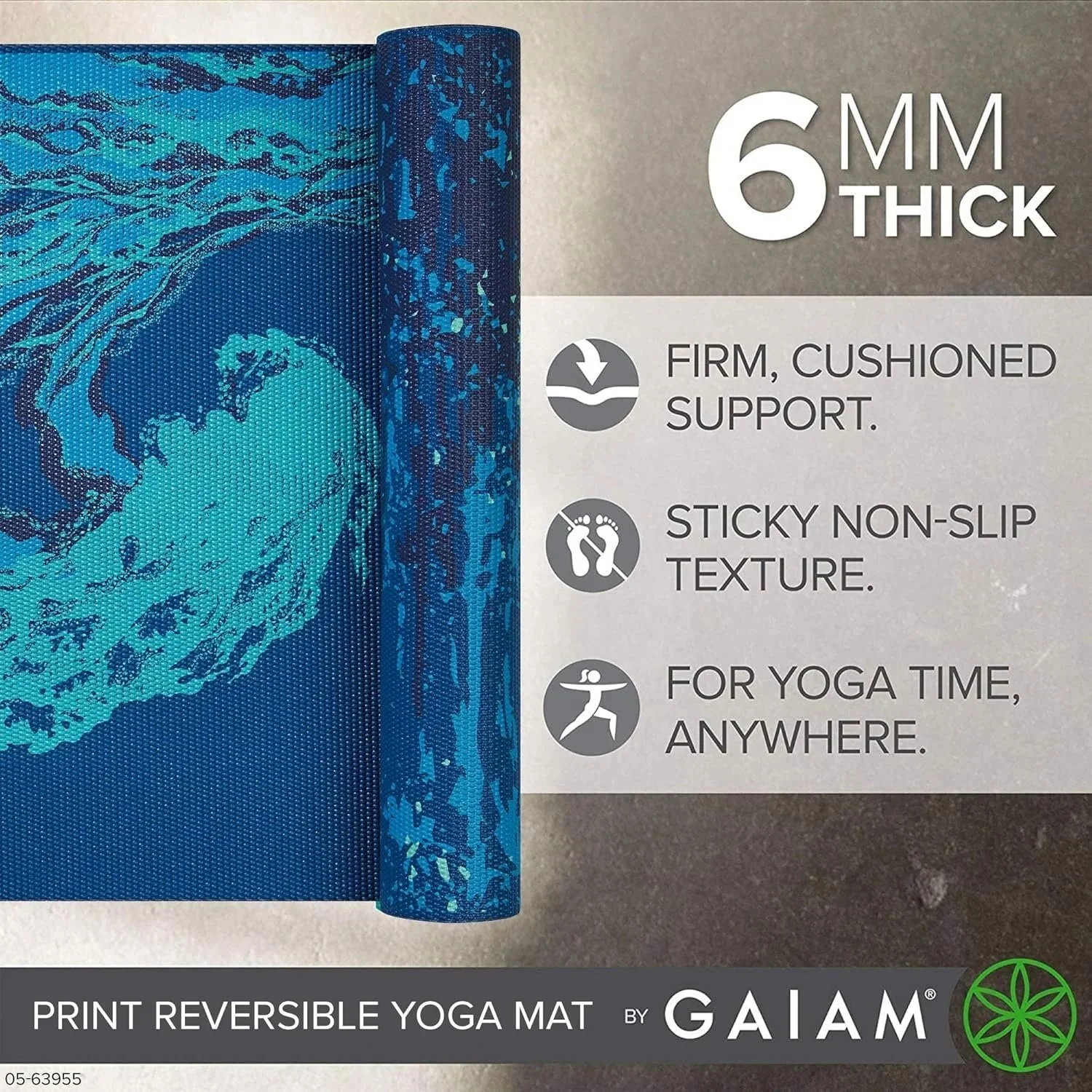
Gaiam Premium Print Yoga Mat
a 6mm thick mat with a textured, non-slip surface that is less abrasive than many standard mats. A practical option for people with eczema or psoriasis who find contact points on harder mats cause irritation.
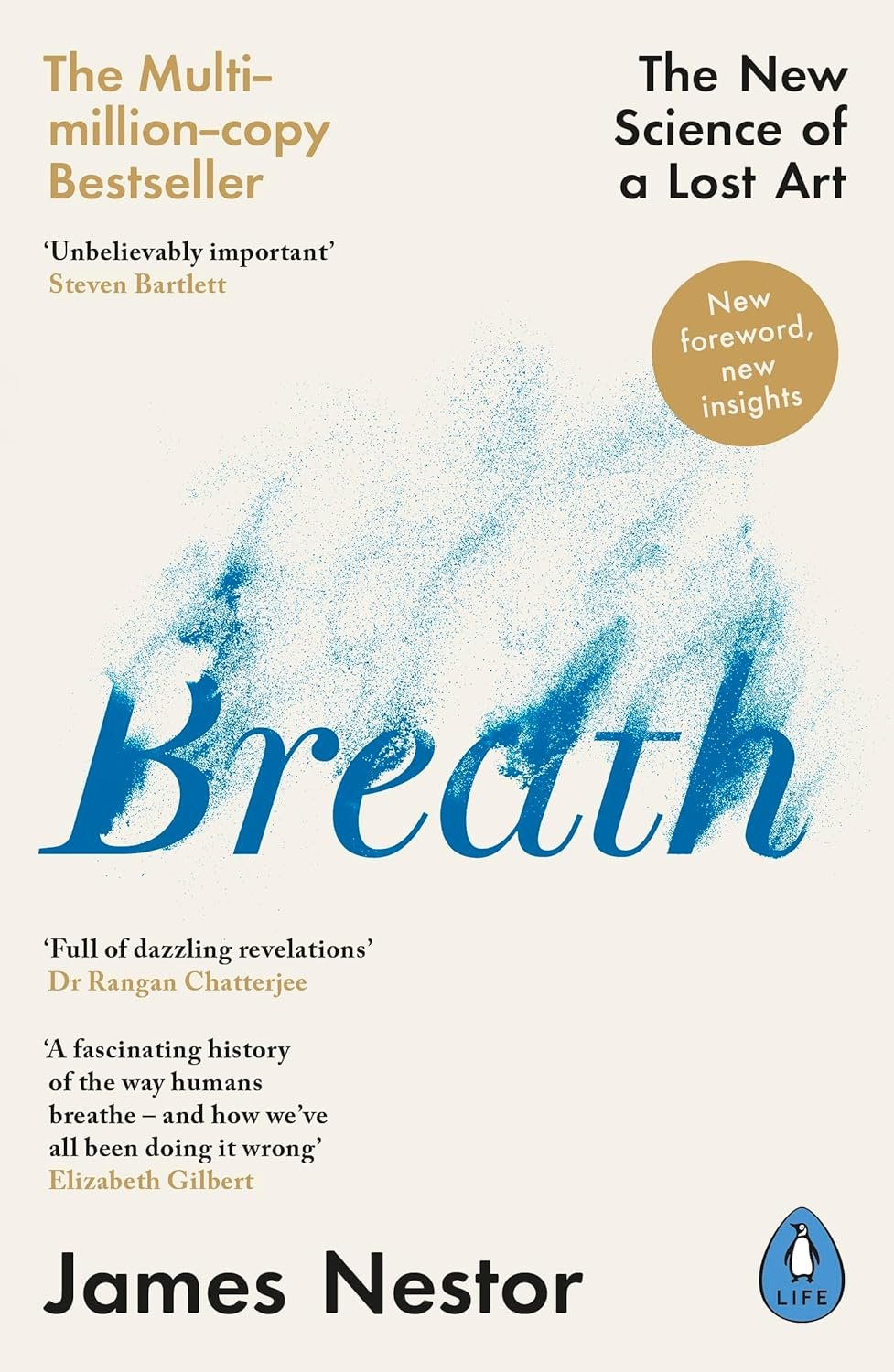
Breathe: The New Science of a Lost Art by James Nestor
covers the evidence behind different breathing techniques in accessible detail. Particularly relevant for the stress-cortisol-skin connection — understanding why breathwork works makes it easier to sustain as a daily habit
Best types of yoga for skin conditions
Not all yoga is equally appropriate for people with inflammatory skin conditions. The type of practice matters., but gentler styles are usually best.
Restorative yoga
The most reliably beneficial style. It involves supported, passive postures held for several minutes, with the goal of activating the parasympathetic nervous system. There is minimal sweating, minimal friction on the skin, and the emphasis is entirely on relaxation and stress recovery. For someone mid-flare or managing chronic low-level symptoms, restorative yoga is a consistently safe and genuinely calming option.
Yin yoga
Similarly low-intensity, with long-held floor-based postures focused on connective tissue and the nervous system. Its slow, meditative quality makes it well-suited to stress reduction and sleep support.
Hatha yoga
The broad category of slower, more accessible yoga — is generally appropriate for most people with skin conditions. The pace allows attention to skin comfort, breathwork is central, and sessions can be adapted to avoid friction on affected areas.
Breathwork (pranayama) as a standalone practice
Deserves special mention. Practices like box breathing (equal counts of inhale, hold, exhale, hold), 4-7-8 breathing, and alternate nostril breathing (nadi shodhana) can be practised anywhere, require no equipment, and have direct, measurable effects on the nervous system. For someone who finds a full yoga session impractical, a 5–10 minute breathwork practice is one of the most accessible stress management tools available.
Hot yoga and Bikram yoga
Generally best avoided for people with eczema in particular. The high heat and intensity of sweating are common irritants for compromised skin, and the heated environment can trigger histamine responses. Some people with psoriasis tolerate warmth better — heat can sometimes temporarily soften plaques — but the risk-benefit calculation is different for each person.
Helpful yoga practices for eczema & psoriasis
Breathing exercises (pranayama)
May reduce stress and calm the nervous system.
Meditation
Can help manage stress-related flare cycles.
Relaxation poses
Child’s Pose
Legs-Up-The-Wall
Savasana
These are often recommended for relaxation and stress relief.
Practical considerations for practising yoga with a skin condition
Clothing. Choose loose, natural fibres — cotton or bamboo rather than synthetic fabrics. Tight clothing on inflamed or active skin causes friction and irritation. Many people find wearing layers that can be removed helps manage temperature during practice.
Mats and surfaces. Yoga mat surfaces can be abrasive on sensitive skin, particularly on knees, elbows, and other contact points. A cotton blanket or towel over the mat at contact points reduces friction significantly.
Sweat management. If your practice generates sweat, have a clean towel available and consider rinsing off afterwards — sweat sitting on eczema-prone skin for extended periods is an irritant. Apply emollient after showering while skin is still slightly damp.
Moisturise before practice. Applying a light emollient before a yoga session can reduce friction and protect the skin barrier during movement.
Timing. Many people find yoga most useful in the evening — supporting the parasympathetic shift that improves sleep quality. A short, restorative practice before bed can meaningfully improve sleep, which has direct benefits for skin recovery.
What yoga can and can't do for your skin
To be direct: yoga will not clear plaques, resolve an acute eczema flare, or address the underlying immune dysregulation that drives either condition. Treating it as a primary intervention will lead to disappointment.
What it can do is reduce one of the most consistently documented triggers — chronic stress — in a way that is cumulative and sustainable. Practised consistently over weeks and months, it's one of the more effective lifestyle interventions available for stress-related flare reduction. It also improves sleep, supports nervous system resilience, and gives people with chronic skin conditions a sense of agency over something they can actually control — which has its own therapeutic value.
It works best as part of a layered approach: alongside good skincare and emollient use, dietary support, and targeted nutritional supplementation. Not instead of them.
Skin support for eczema & psoriasis-prone skin
For people managing eczema or psoriasis through lifestyle approaches including yoga, targeted nutritional support addresses dimensions that stress management alone doesn't reach — including skin barrier function, immune modulation, and cellular repair.
Nutrients including zinc, vitamin D, vitamin C, biotin, and magnesium each play documented roles in these systems. Magnesium in particular is worth noting in the context of yoga: it supports stress regulation, sleep quality, and muscle recovery — all relevant to someone building a yoga practice alongside skin management.
Drought's Skin Support Formula brings 14 of these nutrients together in a single daily supplement, designed specifically for reactive, dry, and sensitive skin. Made in the UK, suitable for vegetarians, and formulated for consistent long-term use — it complements the kind of lifestyle approach that yoga represents, covering the nutritional ground that lifestyle changes alone don't address.
FAQs: Yoga & skin conditions
Can yoga help eczema and psoriasis?
Yes — indirectly and through a specific mechanism rather than a direct anti-inflammatory effect. Yoga reduces cortisol output through HPA axis regulation — the same stress pathway that drives eczema's Th2 immune amplification and psoriasis's Th17 cytokine elevation during stress-triggered flares. Published research shows yoga reduces salivary cortisol, CRP, and IL-6 with consistent practice — all specifically relevant to inflammatory skin condition management. The effect is stress-mediated rather than direct, which is why yoga works better as a consistent daily practice than as an occasional response to flares.
Can yoga cure eczema or psoriasis?
No — eczema's filaggrin deficit and Th2 immune dysregulation, and psoriasis's Th17 keratinocyte hyperproliferation, are not corrected by stress management alone. What yoga can realistically contribute is a reduced cortisol baseline that lowers the inflammatory amplification from stress triggers — fewer and less severe stress-triggered flares rather than clearance. People who report the most consistent yoga benefit for their skin are typically those whose flare pattern is most clearly stress-driven — identifiable through the flare timing correlation with stressful periods.
What type of yoga is best for eczema and psoriasis?
Restorative and yin yoga are the most specifically appropriate — both activate the parasympathetic nervous system through extended, passive postures held for several minutes, producing the cortisol reduction and vagal tone improvement most directly relevant to stress-triggered skin conditions. Hatha yoga at moderate pace is a practical middle ground for people wanting more physical engagement alongside the stress reduction benefit. All three produce HPA axis regulation through different mechanisms — the common thread is parasympathetic activation rather than sympathetic stimulation.
Can sweating from yoga make eczema worse?
Yes — and through a specific mechanism. Sweat contains sodium, lactic acid, and kallikrein enzymes that activate the protease-activated receptor pathway in sensitised eczema skin, triggering itch through a direct neurological mechanism rather than through immune activation. This is why post-exercise itch in eczema is distinct from flare itch — it's protease-mediated rather than Th2-mediated. Shower immediately after yoga practice with lukewarm water and apply emollient within two to three minutes of drying to reduce the protease exposure time on sensitised skin.
Is hot yoga safe for eczema and psoriasis?
Not generally — heat accelerates TEWL through vasodilation and sweat production simultaneously, worsening the barrier deficit that eczema skin is already defined by. For psoriasis, heat can trigger the vasodilation that produces the flushing and itch amplification associated with warm environments. The Koebner risk from sweat-saturated clothing friction in hot yoga is also worth noting for psoriasis patients. Cool or room-temperature restorative yoga provides the cortisol and parasympathetic benefits without the heat and sweat complications — a more appropriate format for both conditions.
How often should I do yoga for eczema or psoriasis?
Consistency matters more than duration — daily 20–30 minute sessions produce more sustained HPA axis regulation than weekly hour-long sessions. The cortisol reduction from yoga is acute rather than persistent after a single session; the sustained reduction comes from consistent daily practice that gradually lowers baseline HPA axis reactivity. Even 15 minutes of pranayama breathing and restorative postures before sleep produces measurable cortisol reduction and sleep quality improvement — the two dimensions most directly relevant to nocturnal itch amplification in both conditions.
Which yoga poses are best for eczema and psoriasis?
Poses that activate the parasympathetic nervous system through forward folding, inversion, and extended exhalation are the most specifically relevant. Child's Pose (Balasana) produces gentle spinal decompression and forward fold vagal activation. Legs-Up-The-Wall (Viparita Karani) provides mild inversion that reduces sympathetic nervous system activity. Supported Bridge (Setu Bandha Sarvangasana) with a block opens the chest for deeper breathing without the heat generation of active backbends. Savasana with extended exhalation (4-7-8 breathing pattern) directly activates vagal tone and reduces cortisol. All are low-heat, low-sweat, and low-friction — appropriate for both conditions.
Summary
Yoga addresses stress — one of the most consistently documented eczema and psoriasis triggers — through cortisol reduction, parasympathetic activation, and improved sleep quality. The evidence is limited but specific: a psoriasis-phototherapy RCT, consistent cortisol findings, and the well-established stress-skin biological pathway. Restorative and yin yoga are most appropriate for reactive skin; breathwork alone is a practical alternative. Not a treatment — a meaningful lifestyle contribution to a condition where stress management is clinically relevant.
Written by the Drought Skin team — specialists in natural support for acne, eczema, and psoriasis.
Disclaimer: This article contains affiliate links. We earn a very small commission from each purchase made through these links. There is no additional cost to you. All products featured have been specifically selected as products we personally use and love. For further information, please see our disclaimer page.
