
Psoriasis Fatigue: Why It's Biological Not Just Poor Sleep, What the Research Shows & What Helps

Fatigue is one of the most consistently reported but least discussed symptoms of psoriasis. Many people live with persistent tiredness, brain fog, and low energy that seem disproportionate to their visible skin symptoms — and are frequently told, implicitly or explicitly, that this is just stress or poor sleep habits.
The fatigue of psoriasis is real and has specific biological causes. Understanding these makes both the experience and the management options clearer.
The sickness behaviour mechanism: why systemic inflammation causes fatigue
This is the most important and least-known explanation for psoriasis fatigue, and it's specific rather than vague.
The inflammatory cytokines central to psoriasis — IL-6, TNF-α, and IL-1β — do not remain confined to the skin. They circulate systemically, and at sufficient concentrations they cross the blood-brain barrier and act on the hypothalamus, triggering what researchers call "sickness behaviour" — a cluster of responses that includes fatigue, reduced motivation, cognitive slowing, social withdrawal, and altered sleep. This is the same mechanism that makes you feel exhausted and foggy during an acute illness; in psoriasis it operates chronically at lower intensity.
This explains why psoriasis fatigue can occur and persist independent of sleep quality. It is centrally mediated — the inflammatory environment is actively driving the brain to conserve energy. IL-6 in particular has consistent associations with fatigue in chronic inflammatory conditions, and IL-6 is consistently elevated in psoriasis.
This also explains why effective psoriasis treatment — particularly biologics that specifically target these cytokines — reliably improves fatigue independently of skin clearance. When the cytokine load falls, the hypothalamic sickness response reduces.
Disrupted sleep: the component everyone mentions but often underestimates
The sleep article covers this in detail. Nighttime itch — driven by circadian histamine and IL-31 patterns peaking in the evening — produces wake events and unconscious scratching. Pain from psoriatic arthritis disrupts sleep independently. OSA fragments sleep architecture. These mechanisms overlap and compound each other.
Practical steps: bedroom cooling (16–19°C reduces itch significantly), consistent sleep timing, addressing psoriatic arthritis pain if present, and OSA investigation if appropriate. These are covered in the sleep article and applied to eczema and psoriasis specifically.
Psoriatic arthritis: the underdiagnosed fatigue driver
This is the most important unaddressed cause of psoriasis fatigue for a significant proportion of people.
Psoriatic arthritis affects approximately 20–30% of people with psoriasis. It produces joint pain, morning stiffness, and disrupted sleep from pain during the night — all of which contribute substantially to fatigue. Many people have subclinical or mild psoriatic arthritis that has never been formally diagnosed. If your fatigue is accompanied by joint stiffness, pain on movement, or morning stiffness lasting more than 30 minutes, this warrants specific GP assessment and potentially rheumatology referral.
Fatigue from undiagnosed psoriatic arthritis is unlikely to improve through lifestyle measures alone — the joint inflammation needs to be addressed through appropriate treatment.
Obstructive sleep apnoea: the frequently missed connection
As covered in the sleep article in this series, obstructive sleep apnoea (OSA) is two to three times more prevalent in people with psoriasis than in the general population. OSA produces fragmented, non-restorative sleep regardless of time in bed — you may sleep for eight hours and wake unrefreshed because the sleep architecture is disrupted.
People with significant, persistent fatigue that doesn't improve with sleep hygiene changes — particularly if they snore or have been observed to stop breathing during sleep — should discuss OSA assessment with their GP. This is not a lifestyle issue; it requires specific investigation (sleep study) and treatment.
Psychological and cognitive fatigue
Living with a visible chronic condition that fluctuates unpredictably, requires daily management, affects social situations, and carries significant quality-of-life burden has a genuine cognitive and emotional cost. The hypervigilance of anticipating flares, the planning required to manage triggers, and the emotional labour of navigating other people's reactions to visible skin all contribute to cognitive fatigue that is real but harder to measure than the cytokine-mediated mechanisms above.
Depression and anxiety are two to three times more prevalent in people with psoriasis — as discussed in the dating with psoriasis article — and both produce fatigue as a primary symptom. If fatigue is accompanied by persistent low mood, loss of interest in previously enjoyable activities, or anxiety that is disproportionate to current circumstances, speaking to a GP about psychological support through NHS IAPT is appropriate.
What actually helps psoriasis fatigue
Treating psoriasis effectively. The most direct approach to cytokine-mediated fatigue is reducing the cytokine load — through appropriate psoriasis treatment, dietary anti-inflammatory measures, and the nutritional support covered throughout this series.
Investigating psoriatic arthritis if joint symptoms are present. Undiagnosed and untreated psoriatic arthritis is a major reversible fatigue driver.
OSA investigation if sleep is non-restorative despite appropriate sleep hygiene.
Sleep optimisation — bedroom cooling, consistent timing, emollient before bed to reduce nighttime itch.
Managing inflammatory load through diet and nutrition — the Mediterranean dietary pattern, omega-3s, and vitamin D all reduce the systemic inflammatory burden that drives cytokine-mediated fatigue.
Pacing — the chronic condition management principle of matching activity levels to available energy rather than pushing through until depleted. Boom-bust cycles of overexertion followed by crash are common in people with inflammatory fatigue and are counterproductive.
Recommended Products

Dr John's Healing Psoriasis Cookbook by John O. A. Pagano
a dietary and lifestyle guide to psoriasis management covering the anti-inflammatory nutritional approaches most relevant to reducing the cytokine load driving both skin symptoms and fatigue. As covered in the sickness behaviour section, reducing systemic IL-6 and TNF-α through anti-inflammatory dietary patterns addresses fatigue at its biological source rather than managing it symptomatically. The cookbook provides practical recipe implementation of the Mediterranean dietary pattern and omega-3-rich food choices that have the most consistent published evidence for psoriasis severity and inflammatory marker reduction.
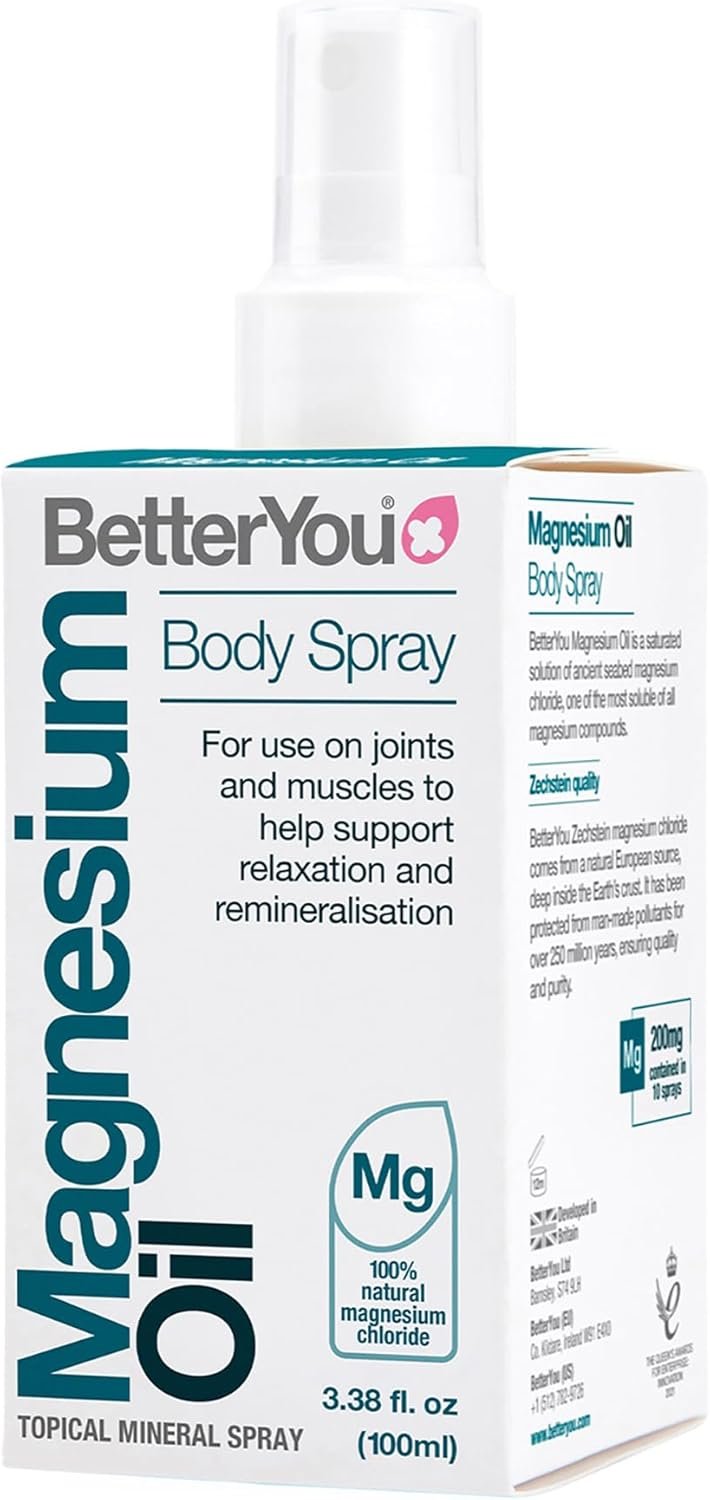
BetterYou Magnesium Body Spray
a transdermal magnesium supplement providing direct absorption through the skin. Magnesium supports mitochondrial ATP production — the cellular energy pathway that cytokine-driven psoriasis fatigue specifically impairs through its effects on mitochondrial function. It also supports HPA axis cortisol regulation and sleep architecture quality relevant to the sleep disruption dimension of psoriasis fatigue. Transdermal delivery bypasses the gastrointestinal tolerance issues that high-dose oral magnesium can produce — loose stools at higher oral doses being the most common tolerability concern. Spray five to ten sprays onto the abdomen or legs, massage in, and leave for 20 minutes before showering if preferred.
Anaemia of chronic inflammation
Less commonly discussed but worth knowing: chronic inflammation — including the sustained inflammation of moderate-to-severe psoriasis — can suppress normal red blood cell production through hepcidin-mediated iron sequestration. This produces anaemia of chronic inflammation (also called anaemia of chronic disease), which causes fatigue, weakness, and pallor independent of sleep or lifestyle factors.
A full blood count through a GP is the appropriate investigation. If anaemia is present alongside psoriasis, the treating clinician should assess whether it relates to iron deficiency, anaemia of chronic inflammation, or both — as these require different treatment approaches.
Supplement Support for Dry, Stressed Skin
The inflammatory cytokines driving psoriasis fatigue are the same targets that nutritional support addresses through anti-inflammatory mechanisms. Vitamin D, omega-3 EPA/DHA, zinc, and magnesium all contribute to reducing the systemic inflammatory load that mediates fatigue through the sickness behaviour pathway.
Drought's Skin Support Formula provides 14 nutrients including vitamin D, zinc, magnesium, and vitamin C — addressing the internal nutritional foundations relevant to both psoriasis management and the fatigue it produces. Made in the UK, suitable for vegetarians, designed for consistent long-term daily use.
FAQ
Is fatigue common with psoriasis?
Yes — and considerably more prevalent than most clinical psoriasis discussions acknowledge. Published quality-of-life studies using the Dermatology Life Quality Index (DLQI) consistently find that fatigue is among the most reported functional impacts of psoriasis, comparable to the impact of the skin symptoms themselves. The FACIT-Fatigue scale has been validated for psoriasis and shows clinically meaningful fatigue scores in a significant proportion of people with moderate-to-severe disease. Fatigue is not a peripheral symptom — it is a core part of the systemic burden of a condition driven by circulating inflammatory cytokines.
Can inflammation cause fatigue?
Yes — through a specific and well-characterised mechanism called sickness behaviour. The inflammatory cytokines central to psoriasis — IL-6, TNF-α, and IL-1β — circulate systemically at sufficient concentrations to cross the blood-brain barrier and act on the hypothalamus, triggering fatigue, cognitive slowing, reduced motivation, and altered sleep. This is not vague "inflammation makes you tired" — it is a documented neurobiological pathway through which peripheral immune activity drives central nervous system changes. It explains why effective psoriasis treatment, particularly biologics that reduce these specific cytokines, reliably improves fatigue independent of how much the skin clears.
Can poor sleep worsen psoriasis?
Yes — through specific and bidirectional mechanisms. Poor sleep elevates systemic inflammatory cytokines including TNF-α and IL-6 — the same cytokines driving psoriasis. It disrupts the nocturnal cortisol nadir that partially suppresses inflammatory activity overnight and impairs the growth hormone-dependent tissue repair processes most active during deep sleep. For psoriasis specifically, the relationship is bidirectional: psoriasis disrupts sleep through nocturnal itch, pain from psoriatic arthritis, and OSA — and the resulting poor sleep worsens the inflammatory burden that drives psoriasis. Breaking this cycle through sleep hygiene, OSA investigation, and psoriatic arthritis treatment addresses both the fatigue and the psoriasis simultaneously.
Does treating psoriasis improve fatigue?
Yes — effective psoriasis treatment, particularly biologics that reduce cytokine levels, consistently improves fatigue independent of skin clearance, because it reduces the inflammatory drive to the hypothalamic sickness response.
Could my fatigue be from psoriatic arthritis?
Yes — and psoriatic arthritis is significantly underdiagnosed in psoriasis patients, meaning many people attribute joint-related fatigue to their psoriasis alone rather than recognising a co-existing inflammatory arthritis. The joint symptoms to watch for alongside fatigue include morning stiffness lasting more than 30 minutes that improves with movement, swelling of an entire finger or toe (dactylitis), heel pain on first steps in the morning (enthesitis), and lower back pain with the same morning stiffness character. If any of these accompany fatigue in someone with psoriasis, GP referral for rheumatology assessment is the appropriate next step — psoriatic arthritis treatment independently improves fatigue through cytokine reduction and pain relief simultaneously.
What is pacing and does it help psoriasis fatigue?
Pacing is a structured approach to energy management used in chronic fatigue associated with inflammatory conditions — breaking activity into manageable periods with planned rest rather than pushing through fatigue until a crash occurs. It is the most consistently recommended non-pharmacological fatigue management approach in chronic inflammatory disease and specifically relevant to psoriasis fatigue given its biological rather than deconditioning basis. The principle is to establish a sustainable baseline of activity — less than maximum capacity — and build gradually rather than alternating between overexertion and enforced rest. Occupational therapy through NHS referral provides structured pacing support. It is not the same as rest or inactivity — rest alone does not address the sickness behaviour mechanism, but consistent sustainable activity alongside rest prevents the boom-bust cycle that worsens inflammatory fatigue over time.
How do I know if my fatigue is from sleep apnoea?
Non-restorative sleep despite adequate hours, loud snoring, and observed breathing pauses during sleep are the key signs. Discuss with a GP — a sleep study provides definitive assessment.
Does stress affect psoriasis fatigue?
Yes — through the HPA axis cortisol pathway that connects stress to both psoriasis worsening and fatigue simultaneously. Sustained psychological stress elevates cortisol through HPA axis dysregulation — chronically elevated cortisol disrupts the nocturnal cortisol nadir, impairs growth hormone-dependent overnight tissue repair, and paradoxically amplifies Th17 immune activity over time despite cortisol's short-term anti-inflammatory effects. The result is a compounding cycle: stress worsens psoriasis through cytokine amplification, the worsened psoriasis drives the sickness behaviour fatigue pathway harder, and the fatigue itself is a psychological stressor that continues activating the HPA axis. Breaking the stress component through CBT, sleep consistency, and pacing interrupts this cycle at multiple points simultaneously.
Can diet help psoriasis fatigue?
Yes — through two specific and complementary pathways. First, reducing systemic inflammatory load: the Mediterranean dietary pattern, omega-3 EPA and DHA, and reduced ultra-processed food and alcohol lower the TNF-α and IL-6 levels that drive the sickness behaviour fatigue pathway — addressing the neurological fatigue dimension at its inflammatory source. Second, addressing anaemia of chronic inflammation: iron-rich foods (lean red meat, lentils, dark leafy greens) alongside vitamin C to enhance non-haem iron absorption support haemoglobin levels that hepcidin-mediated sequestration reduces. Alcohol specifically worsens both dimensions — elevating TNF-α directly while also impairing iron absorption and sleep architecture simultaneously.
Summary
Psoriasis fatigue has specific biological causes that make it distinct from simple tiredness. The sickness behaviour mechanism — inflammatory cytokines (IL-6, TNF-α, IL-1β) crossing the blood-brain barrier and triggering hypothalamic fatigue responses — explains why fatigue can persist independently of sleep quality. Psoriatic arthritis, obstructive sleep apnoea, and anaemia of chronic inflammation are three specific and frequently missed drivers that warrant GP investigation rather than lifestyle adjustment alone. Addressing the underlying inflammatory load through effective psoriasis treatment, anti-inflammatory dietary patterns, and targeted nutritional support reduces cytokine-mediated fatigue at its source.
Written by the Drought Skin team — specialists in natural support for psoriasis, eczema and acne
Disclaimer: This article contains affiliate links. We earn a very small commission from each purchase made through these links. There is no additional cost to you. All products featured have been specifically selected as products we personally use and love. For further information, please see our disclaimer page.
