
Facial Eczema: Types, Causes, Treatments & the Best Skincare Routine

Facial eczema presents particular challenges that body eczema doesn't. The face is constantly exposed — to weather, pollutants, skincare, makeup, and touch — and facial skin is significantly thinner and more sensitive than skin elsewhere. It's also more visible, which adds a psychological dimension that affects quality of life more acutely than equivalent skin on the arms or legs.
What makes facial eczema more complex than the original article suggests is that it isn't a single condition. Different types of eczema appear on the face, affect different locations, and require different management approaches. Understanding which type is present changes what treatment is appropriate — and using the wrong approach can make things worse.
What Is Facial Eczema?
Facial eczema refers to eczema that affects areas such as:
The cheeks
Around the eyes
Forehead
Eyelids
Around the mouth
The neck and jawline
Some people experience:
Dry flaky patches
Intense itching
Sensitive irritated skin
Burning or stinging sensations
Eczema on the Face: Causes, Symptoms & How to Calm Flare-Ups
Eczema on the face can feel especially frustrating because facial skin is:
Sensitive
Highly visible
Easily irritated
Constantly exposed to the environment
Because facial skin is thinner and more delicate than other parts of the body, it often reacts more strongly to irritation and dryness.
The types of eczema that commonly affect the face
Atopic eczema on the face is most common in infants and young children — the cheeks, forehead, and chin are characteristic locations in early childhood. In adults with atopic eczema, the face (particularly around the eyes, mouth, and neck) often flares alongside body sites rather than in isolation. The underlying mechanism is the same as atopic eczema elsewhere: filaggrin-related barrier dysfunction, Th2 immune dysregulation, and IgE-mediated sensitisation.
Seborrhoeic dermatitis of the face is frequently confused with atopic eczema. It affects areas of high sebaceous gland activity — the sides of the nose, eyebrows, hairline, ears, and central forehead. It produces greasy, yellowish scales rather than the dry, silvery scales of other eczema types. The mechanism involves Malassezia yeast overgrowth in sebum-rich environments, which is why antifungal treatments (ketoconazole shampoo used as a face wash, antifungal creams) are effective for this type specifically. The scalp eczema article in this series covers seborrhoeic dermatitis in detail, and the same mechanisms apply on the face.
Perioral dermatitis is a specific inflammatory condition affecting the skin around the mouth — producing small red bumps, scaling, and redness in a distribution that spares the skin immediately adjacent to the lips. It is frequently triggered or worsened by topical steroid use (including inhaled and nasal steroids in some cases) and is more common in women. It's often misdiagnosed and treated with steroids, which initially improve then worsen the condition. Treatment typically involves stopping all topical steroids, using a mild tetracycline antibiotic (topical or oral), and sometimes topical calcineurin inhibitors. This is worth knowing because it is commonly mismanaged.
Allergic contact dermatitis of the face occurs when the skin becomes sensitised to a contact allergen — fragrance, preservatives, nickel (from eyeglass frames), sunscreen filters, hair dye, or nail polish (transferred by touching the face). It typically produces itchy, sometimes vesicular (blister-like) patches in the distribution of contact — around the eyes from eye makeup, along the jawline from hair dye. Patch testing by a dermatologist identifies the specific allergen. Avoiding the trigger is the primary treatment.
What Does Eczema on the Face Look Like?
Facial eczema can vary between individuals, but common symptoms may include:
Red or inflamed patches
Dry flaky skin
Rough texture
Itching
Tightness
Cracked or irritated areas
Some people also experience:
Swelling
Sensitivity around the eyes
Burning sensations
Weeping or irritated patches during severe flare-ups 6yh
Why facial eczema needs different treatment from body eczema
This is the most clinically important point and the one most commonly missed in general eczema advice.
Facial skin is thinner than body skin — particularly around the eyes, where the skin is among the thinnest on the body. This has direct consequences for treatment:
Topical steroids must be lower potency. The stronger topical corticosteroids appropriate for thick skin on the elbows or feet are not appropriate for facial use. Prolonged use of potent steroids on the face risks skin thinning, telangiectasia (small permanent blood vessel dilation), perioral dermatitis, and — critically around the eyes — increased intraocular pressure leading to glaucoma. Facial steroid use should be limited to mild-to-moderate potency preparations (hydrocortisone 1% is the safest for regular facial use), used for short courses only.
Calcineurin inhibitors (tacrolimus and pimecrolimus) are particularly valuable for facial eczema. These prescription topical treatments — Protopic (tacrolimus) and Elidel (pimecrolimus) — are steroid-sparing options that don't cause skin thinning and are approved specifically for use on sensitive areas including the face and eyelids. For people with chronic or recurring facial eczema who need more than occasional steroid use, these are the most appropriate options and worth discussing with a GP or dermatologist.
Why Is Facial Skin So Sensitive?
Facial skin is naturally:
Thinner
More exposed
More reactive than skin on other areas of the body
It comes into daily contact with:
Weather changes
Pollution
Skincare products
Makeup
Cleansers
Friction
When the skin barrier is already weakened by eczema, irritation may happen even more easily.
Eyelid eczema: the most delicate location
Eyelid eczema deserves specific mention because it is both extremely common and particularly difficult to manage. The skin of the eyelids is the thinnest on the body — approximately 0.5mm compared to 2–3mm elsewhere. Even mild irritation causes pronounced swelling, redness, and discomfort.
Contact allergy is a frequent cause of eyelid eczema and is often missed — eye makeup, mascara, eyeliner, and particularly eye creams are common sources of allergen exposure. Nail polish applied to fingernails that then touch the eyes is a classic but easily overlooked source of contact sensitisation (the allergen is tosylamide formaldehyde resin in many nail polishes).
Topical steroids on the eyelids carry the highest risk of steroid-related eye complications — glaucoma and cataracts with prolonged use — and should be used only when necessary, at the lowest effective potency, and for short courses. Tacrolimus ointment is the preferred long-term management option for chronic eyelid eczema, prescribed by a dermatologist or specialist.
Common Triggers for Facial Eczema
Triggers vary significantly between individuals, but common flare-up triggers may include:
Stress
Cold weather
Dry air
Fragranced skincare
Makeup products
Harsh cleansers
Over-cleansing
Dust or allergens
Some people also notice flare-ups worsen:
During winter
After poor sleep
During stressful periods
After trying new skincare products
Facial skincare routine for eczema-prone skin
The principles of a good eczema skincare routine apply here with additional emphasis on gentleness:
Cleanser: fragrance-free, soap-free, and low-lather. Oil cleansers or micellar water are gentler than foaming cleansers on eczema-prone facial skin. Rinse with lukewarm water — never hot. Avoid cleansing more than twice daily.
Moisturiser: the most important step. Applied immediately after cleansing while skin is still slightly damp. On the face, lighter creams and lotions are often more comfortable than heavy ointments, though the latter are more effective for very dry patches. Fragrance-free is essential.
Sun protection: essential year-round for facial eczema, both to prevent UV-triggered flares and because many topical treatments increase photosensitivity. Mineral sunscreens (zinc oxide, titanium dioxide) are generally better tolerated on reactive facial skin.
Makeup: fragrance-free, tested dermatologically, and labelled for sensitive skin. Mineral-based foundations tend to be better tolerated than liquid formulas with complex preservative systems. Remove thoroughly with a gentle, fragrance-free micellar water or oil cleanser at the end of the day.
Recommended Products
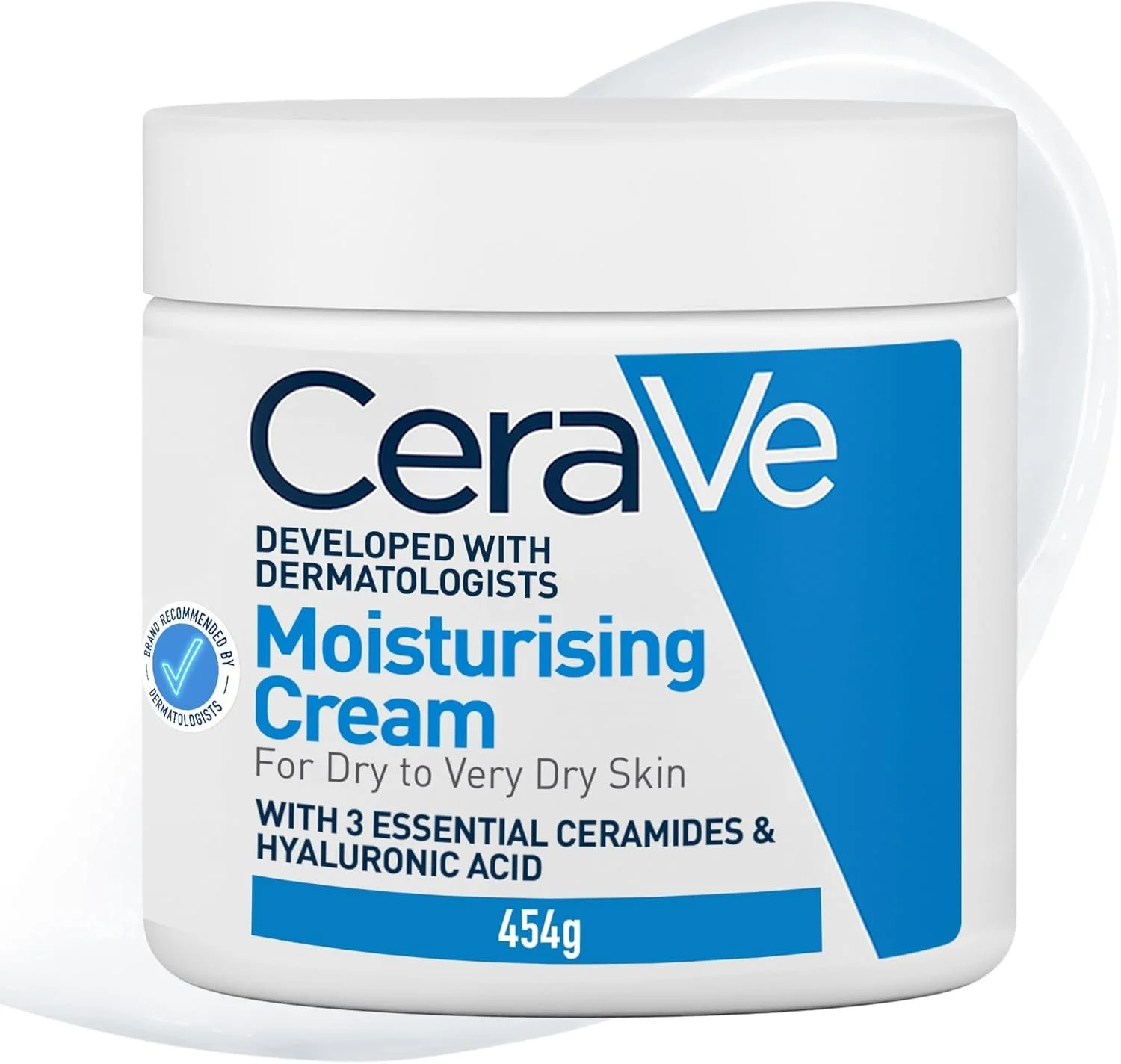
CeraVe Moisturising Cream
ceramide-containing, fragrance-free, available in generous sizes. A reliable everyday option for facial eczema, particularly for drier presentations.
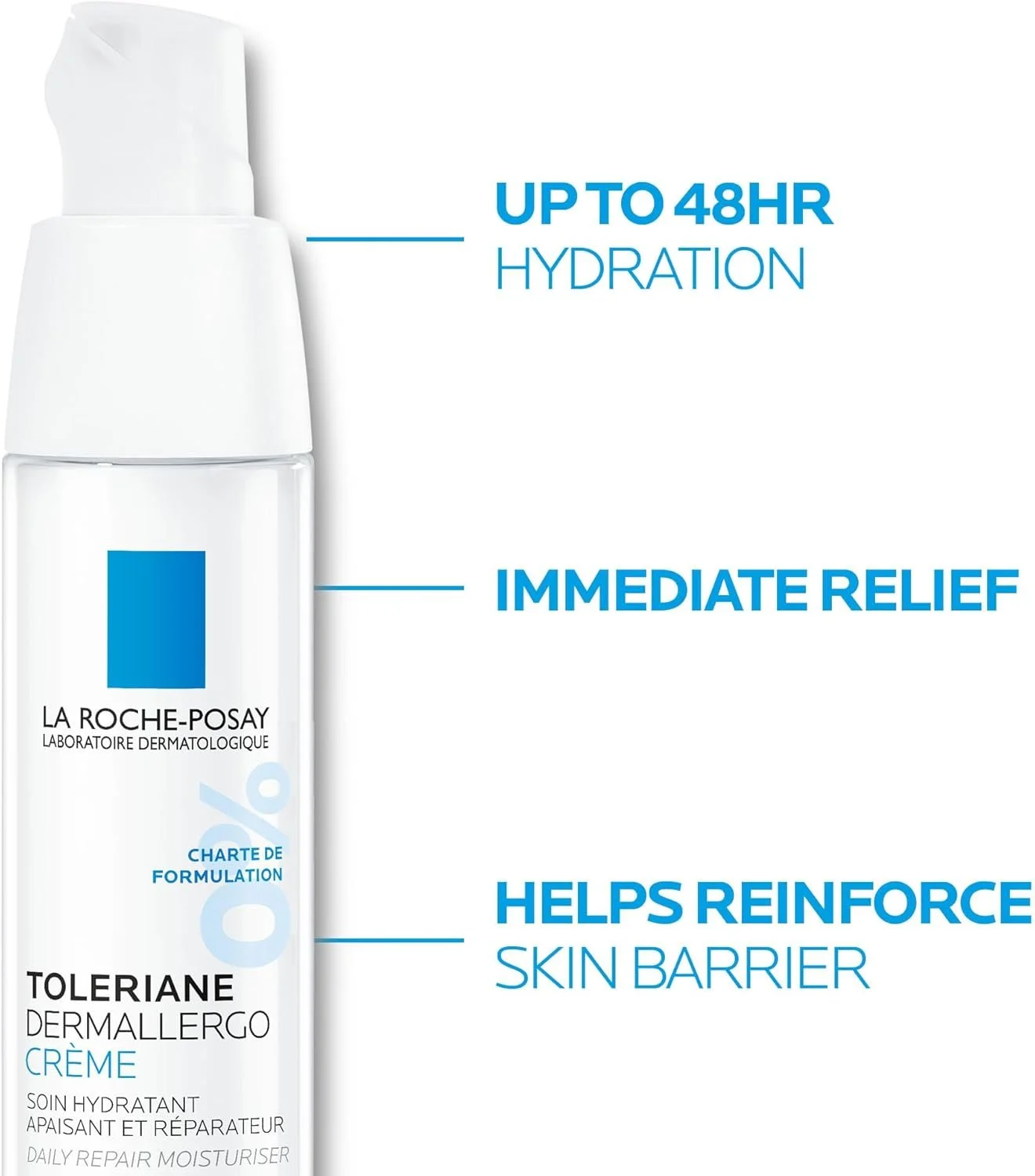
La Roche-Posay Toleriane Ultra Sensitive Moisturiser
a minimal-ingredient, fragrance-free moisturiser specifically designed for intolerant and reactive facial skin. Contains neurosensine (a soothing ingredient targeting sensitised nerve fibres) alongside glycerin for hydration. One of the most consistently dermatologist-recommended facial moisturisers for eczema-prone skin in the UK.
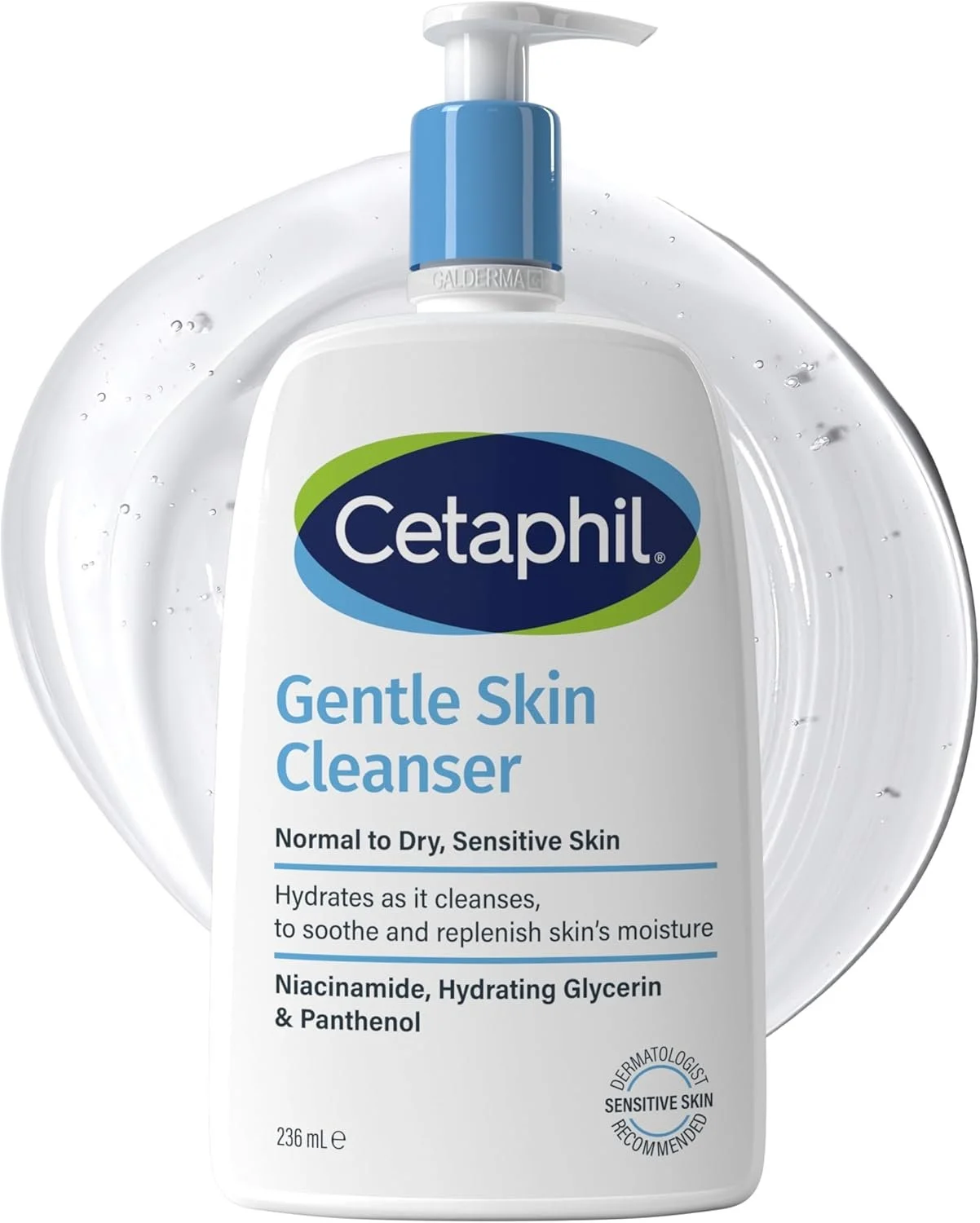
Cetaphil Gentle Skin Cleanser
a fragrance-free, non-comedogenic emollient consistently recommended by dermatologists for facial eczema and sensitive skin. The non-greasy texture is appropriate for the face's higher sebaceous gland density without creating the heavy occlusion that worsens seborrhoeic dermatitis overlap. Apply within the two-to-three minute post-cleansing window to slightly damp skin for maximum barrier sealing benefit. During flares, apply before any prescribed topical treatment to prime and soften the barrier — after flares settle, apply as the daily emollient foundation before SPF in the morning and as the final step in the evening routine.
What to avoid specifically on facial eczema
Fragranced skincare of any kind — including products marketed as "natural" or "botanical." Even lavender, chamomile, and citrus extracts (commonly found in "sensitive" products) are among the most common contact allergens on facial skin.
Physical exfoliants — scrubs, cleansing brushes, face cloths used with friction. The face doesn't need physical exfoliation; gentle cleansing is sufficient. Friction on inflamed or reactive facial skin triggers Koebner-adjacent responses and worsens barrier damage.
Strong actives during flares — retinoids, high-concentration vitamin C, glycolic acid. These are often appropriate for eczema-prone facial skin when calm, but should be stopped during active flares when the barrier is already compromised.
Prolonged topical steroid use — short courses under medical guidance are appropriate; prolonged unsupervised use causes the complications described above, particularly around the eyes.
Can Stress Affect Facial Eczema?
Stress is commonly reported as an eczema flare-up trigger.
Periods of stress may influence:
Inflammation
Sleep quality
Skin sensitivity
Itching and irritation
Some people notice flare-ups become worse during:
Busy periods
Emotional stress
Poor sleep
Lifestyle disruption
When to seek medical input
Facial eczema that doesn't improve with gentle, fragrance-free skincare over two to three weeks; eyelid eczema or eczema that involves the area immediately around the eyes; suspected perioral dermatitis (particularly if it has been treated with steroids and worsened after initial improvement); or significant facial impact on quality of life — all are appropriate reasons to discuss with a GP and request dermatology referral if needed.
Supplement Support for Eczema-Prone Skin
Facial eczema — like eczema elsewhere — is driven by internal immune and barrier dysfunction that topical skincare addresses only partially. Vitamin D's role in filaggrin regulation is directly relevant to the barrier dysfunction driving facial eczema. Zinc and magnesium support immune regulation and inflammatory balance.
Drought's Skin Support Formula provides 14 nutrients including vitamin D, zinc, vitamin C, biotin, and magnesium — addressing the internal nutritional foundations that facial skincare alone cannot reach. Made in the UK, suitable for vegetarians, designed for consistent long-term daily use.
FAQ
What causes eczema on the face?
Different types have different primary causes — which is why treatment type matching matters more than treatment intensity. Atopic facial eczema stems from filaggrin deficit and Th2 immune dysregulation producing the characteristic flexural and periorbital distribution. Contact dermatitis on the face is almost always caused by an applied product — fragrance compounds, preservatives, hair care products reaching the face during application. Seborrhoeic dermatitis is Malassezia-driven on sebum-rich areas (forehead, nasolabial folds, eyebrows). Perioral dermatitis has a poorly understood cause — topical steroid use is the most consistently identified trigger rather than an underlying skin condition per se. Identifying which type is present determines whether antifungal treatment, allergen elimination, calcineurin inhibitors, or patch testing is the appropriate next step.
Why is facial eczema so itchy?
A weakened skin barrier and inflammation may increase dryness and irritation, leading to itching.
Is eczema cream safe to use on the face?
Mild potency creams (hydrocortisone 1%) can be used on the face in short courses. Stronger steroids should not be used on facial skin due to risk of skin thinning, telangiectasia, and (around the eyes) glaucoma. Tacrolimus and pimecrolimus are the preferred options for longer-term facial eczema management.
How do I treat eczema around my eyes?
Eyelid skin is extremely thin — avoid strong topical steroids entirely in this area. Tacrolimus ointment prescribed by a dermatologist is the most appropriate long-term treatment for eyelid eczema. Fragrance-free eye makeup removal and allergen investigation through patch testing are also important.
How can I tell if my facial eczema is seborrhoeic or atopic?
Seborrhoeic dermatitis produces greasy, yellowish scales in sebum-rich areas (sides of nose, eyebrows, hairline). Atopic eczema produces dry, itchy patches more commonly on the cheeks, perioral area, and eyelids. They can co-exist — a dermatologist can distinguish them if uncertain.
What makeup is safe for facial eczema?
Fragrance-free, dermatologically tested formulations; mineral-based foundations where possible; and thorough removal with a gentle micellar water or fragrance-free oil cleanser at the end of each day.
Can skincare products worsen facial eczema?
Yes — harsh or fragranced products may irritate sensitive eczema-prone skin.
Should you exfoliate facial eczema?
Over-exfoliation may worsen irritation and damage the skin barrier further.
Can stress trigger facial eczema?
Stress is commonly reported as a trigger for eczema flare-ups in many people.
Summary
Facial eczema is not a single condition — atopic, seborrhoeic, perioral, and contact variants affect different locations, have different mechanisms, and respond to different treatments. Treatment on the face requires lower-potency topicals than are used elsewhere; calcineurin inhibitors (tacrolimus, pimecrolimus) are particularly valuable because they don't cause the skin-thinning and ocular complications associated with facial steroid use. Eyelid eczema has the most specific treatment considerations and is the most commonly mismanaged. A gentle, fragrance-free routine — minimal products, consistent emollient use, fragrance-free SPF — forms the foundation of facial eczema management alongside appropriate medical treatment where needed.
Written by the Drought Skin team — specialists in natural support for psoriasis, eczema and acne
Disclaimer: This article contains affiliate links. We earn a very small commission from each purchase made through these links. There is no additional cost to you. All products featured have been specifically selected as products we personally use and love. For further information, please see our disclaimer page.
-
Moisturising for Eczema: How to Do It Properly & What Actually Works
How to Treat Scalp Eczema: Causes, Symptoms & What Actually Helps
At-Home Face Masks for Eczema-Prone Skin
Best Sunscreen for Eczema: What to Use, What to Avoid & How to Apply
Eczema and Allergies: The Connection, Common Triggers & What Actually Helps
