
Low-Glycaemic Diet for Acne: What the Evidence Shows, What to Eat & A Full Day of Meals

A low-glycaemic diet is the dietary approach with the most consistent clinical evidence for acne — not as a cure, but as a meaningful contributor to reducing breakout frequency and severity. The mechanism is specific (covered in the hormonal acne diet article in this series), the clinical trial evidence is substantive, and the practical implementation is straightforward. This article focuses on the evidence and the "how" rather than repeating the mechanism in depth.
Can a low glycaemic diet improve acne?
Acne isn’t just a surface‑level issue — it’s closely tied to hormones, inflammation, and how your body processes sugar. That’s why low‑glycaemic eating has become one of the most researched and effective dietary approaches for clearer skin.
If you’re dealing with breakouts, especially stubborn or adult acne, shifting to a low‑glycaemic diet may help reduce inflammation, balance hormones, and support a healthier complexion.
A low glycaemic diet may help reduce acne by stabilising blood sugar and lowering inflammation—but it’s not a complete solution on its own.
Research shows that low-glycaemic diets can lead to fewer acne lesions and improved insulin sensitivity in some people.
What is a low glycaemic diet?
A low‑glycaemic diet focuses on foods that digest slowly and don’t cause sharp spikes in blood sugar. High‑glycaemic foods (like white bread, sweets, and sugary drinks) cause rapid insulin surges — and high insulin levels can increase oil production, inflammation, and hormonal activity linked to acne.
Low‑glycaemic eating helps stabilise these pathways, making breakouts less likely.
Low GI foods: digested slowly → stable energy
High GI foods: digested quickly → blood sugar spikes
Examples:
Low GI foods:
Vegetables
Whole grains
Lentils & beans
Nuts & seeds
Berries
High GI foods to limit:
White bread, pasta, rice
Sugary snacks & drinks
Processed foods
Glycaemic index vs glycaemic load: the distinction that matters
Two terms are used interchangeably but mean different things:
Glycaemic index (GI) measures how quickly a specific food raises blood glucose relative to pure glucose (scored 0–100). Low GI is below 55; medium 55–70; high above 70.
Glycaemic load (GL) accounts for both the GI of a food and the amount of carbohydrate in a typical serving. It is calculated as (GI × carbohydrate per serving) ÷ 100. A watermelon has a high GI (72) but a low GL per standard serving because a serving contains relatively little carbohydrate.
Glycaemic load is the more practically relevant measure for acne because it reflects the actual insulin response from a realistic portion — not a theoretical number from a fixed 50g carbohydrate dose. A dietary pattern with consistently low glycaemic load produces stable insulin and IGF-1 levels throughout the day; individual GI scores are a useful guide but not the full picture.
What the clinical evidence shows
The most significant clinical trial in this area is Smith et al. (2007), published in the American Journal of Clinical Nutrition. In a randomised controlled trial, young men with acne were assigned to either a low-glycaemic load diet or a conventional high-carbohydrate diet for 12 weeks. The low-GL group experienced significantly greater reductions in total and inflammatory acne lesion counts, alongside improvements in insulin sensitivity and IGF-1 levels.
A subsequent meta-analysis of randomised controlled trials examining glycaemic diet and acne found consistent evidence that lower glycaemic load dietary patterns reduce acne severity — with effects on both inflammatory and non-inflammatory lesion counts.
The effect size is meaningful but moderate — low-glycaemic eating is not as effective as prescription topical retinoids or antibiotics for moderate-to-severe acne. It is a significant dietary intervention that works most effectively alongside appropriate skincare and, where needed, medical treatment.
A full day of low-glycaemic eating for acne
Breakfast: Porridge made with rolled oats and oat milk, topped with a tablespoon of ground flaxseed, a handful of berries, and a small handful of almonds. Black coffee or green tea.
Why: Beta-glucan fibre from oats significantly slows carbohydrate digestion. Berries have a low GL and provide antioxidants. Almonds add fat and protein that further flatten the glycaemic response.
Mid-morning: A handful of walnuts and an apple, or natural Greek yogurt with a tablespoon of mixed seeds.
Lunch: Grilled chicken or tinned salmon with a large salad — mixed leaves, cucumber, avocado, cherry tomatoes, and chickpeas — dressed with olive oil and lemon. Two small rye crispbreads.
Why: Protein and fat from chicken or salmon contribute to satiety and stable blood sugar. Chickpeas are low GI and prebiotic. Avocado's fat delays digestion.
Afternoon: A small handful of mixed nuts (almonds, walnuts, cashews), or oatcakes with almond butter.
Dinner: Lentil dal with turmeric and ginger served with brown basmati rice and steamed broccoli; or stir-fried vegetables with tofu or chicken over wholegrain noodles with low-sodium soy sauce and ginger.
Why: Lentils are one of the lowest-GI foods available. Brown rice has a meaningfully lower glycaemic index than white. Broccoli provides fibre and sulforaphane.
Dessert (if wanted): A square or two of 70%+ dark chocolate, or a small bowl of mixed berries.
Why low-glycaemic eating works alongside, not instead of, skincare
A low-glycaemic diet reduces the hormonal and inflammatory input to acne — the production end of the sebum and follicular blockage problem. Skincare actives address the existing consequences — salicylic acid dissolves existing comedones, niacinamide reduces sebum at the gland, retinoids prevent future comedone formation. The two approaches are complementary: dietary change reduces the hormonal drive; skincare manages the surface manifestation.
For comprehensive acne management — especially hormonal acne — combining low-glycaemic eating with appropriate skincare and where relevant targeted supplementation produces better outcomes than either alone.
Recommended Products
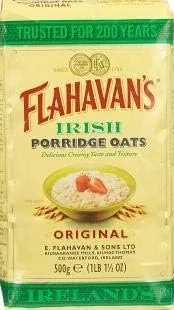
Flahavan's Organic Porridge Oats
rolled oats providing beta-glucan soluble fibre that significantly slows carbohydrate digestion and produces one of the flattest insulin responses of any breakfast option. The article's meal plan names porridge as the ideal acne-friendly breakfast specifically because of beta-glucan — this product directly delivers that mechanism.
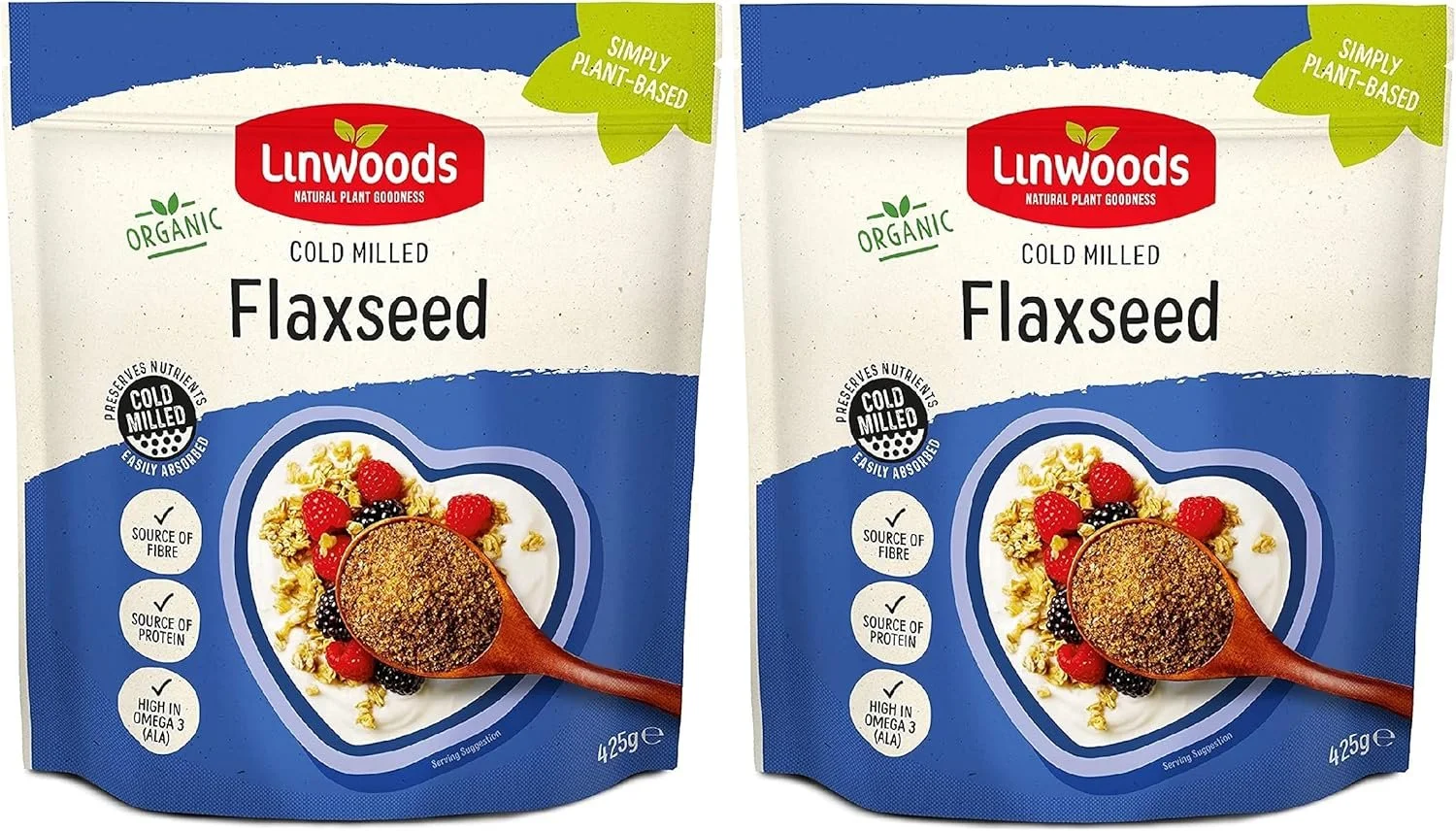
Linwoods Milled Organic Flaxseed
milled flaxseed providing ALA omega-3 and soluble prebiotic fibre — both contributing to the anti-inflammatory and gut microbiome dimensions of acne management. The meal plan specifically includes ground flaxseed in the breakfast porridge.
What to know about the timeline
Published trials have typically found meaningful improvements in acne after 8–12 weeks of consistent low-GL eating. The mechanism involves gradual changes — reduced circulating IGF-1, lower free androgen availability through higher SHBG, reduced mTORC1 activity in sebaceous glands — that take time to produce visible skin changes as the skin's turnover cycle progresses.
The most common mistake is assessing the diet after two weeks. Results need a full 8–12 week consistent trial before drawing conclusions.
The practical swap guide: what to replace and with what
The goal isn't eliminating carbohydrates — it's replacing high-glycaemic carbohydrate sources with slower-digesting alternatives that produce a flatter, more stable insulin response.
White bread → Sourdough, rye bread, or wholegrain seeded bread. The fermentation process in sourdough and the fibre content in wholegrain significantly slow glucose absorption compared to white bread.
White rice → Brown rice, quinoa, or barley. Brown basmati has a meaningfully lower glycaemic index than white; quinoa provides additional protein alongside the carbohydrate.
Sugary breakfast cereal → Porridge oats or plain muesli. Beta-glucan fibre in oats significantly slows carbohydrate digestion and produces a flatter insulin response.
Sugary drinks (fizzy drinks, fruit juice) → Water, herbal tea, or sparkling water. Liquid sugar produces one of the fastest and highest glycaemic responses of any food category — removing it is the single highest-impact swap.
Fruit juice → Whole fruit. The fibre in whole fruit significantly reduces the glycaemic impact of the same sugar — an orange has a much lower glycaemic response than a glass of orange juice.
Pastries, biscuits, and processed snacks → A small handful of nuts and a piece of fruit. The fat and protein in nuts slow digestion; the fibre in fruit moderates the sugar response.
White pasta → Wholegrain pasta, lentil pasta, or courgetti. Wholegrain pasta has approximately half the glycaemic impact of white; lentil pasta adds protein that further slows absorption.
Crisps and salty processed snacks → Hummus with vegetable sticks, or plain nuts. Both provide fat, protein, and fibre that produce no meaningful glycaemic response.
The underlying principle in every swap is the same: fibre, fat, and protein all slow gastric emptying and reduce the rate of glucose absorption into the bloodstream — flattening the insulin curve that drives the acne mechanisms.
Skin support for acne-prone skin
Even a well-constructed low-glycaemic diet doesn't reliably correct vitamin D deficiency or provide therapeutic zinc doses relevant to 5-alpha-reductase inhibition and antibacterial effect.
Drought's Skin Support Formula provides zinc, vitamin D, vitamin C, magnesium, and 10 other nutrients — addressing the internal pathways relevant to acne that dietary pattern change alone doesn't cover. Made in the UK, suitable for vegetarians, designed for consistent long-term daily use.
FAQs: Low glycaemic diet and acne
Does a low glycaemic diet cure acne?
No — but the clinical trial evidence is more substantive than for almost any other dietary intervention for acne. The landmark Smith et al. 2007 RCT found significant reductions in both inflammatory and total acne lesion counts after 12 weeks of low-glycaemic load eating, alongside measurable improvements in insulin sensitivity and IGF-1. A subsequent meta-analysis confirmed the finding across multiple trials. The effect size is meaningful but moderate — low-glycaemic eating is not as effective as prescription retinoids or antibiotics for moderate-to-severe acne, but it addresses the hormonal and inflammatory inputs in a way that topical treatments don't reach. Most effective as part of a comprehensive approach alongside appropriate skincare.
How long does it take to see results?
8–12 weeks of consistent eating. Assessing at two weeks is too early for meaningful results.
Is sugar the main cause of acne?
Not the sole cause — but high-glycaemic foods including refined sugar are among the most consistently evidenced dietary acne drivers. Refined sugar raises insulin rapidly, which elevates IGF-1 and activates mTORC1 in sebaceous glands — increasing sebum production and keratinocyte proliferation simultaneously. The glycaemic load of the overall dietary pattern matters more than any individual food — consistently high GL across the day maintains elevated IGF-1 and free androgen availability that drives sebaceous gland activity. Genetics, hormones, gut microbiome, and skincare also contribute — which is why some people eat high-sugar diets without significant acne and others find dietary change highly effective.
Do I need to cut out carbs?
No — replace high-glycaemic sources (white bread, sugary drinks, pastries) with low-glycaemic alternatives (oats, legumes, whole grains, vegetables). The goal is a flatter insulin response, not carbohydrate elimination.
What is the best diet for acne?
The low-glycaemic dietary pattern has the strongest clinical trial evidence of any dietary approach — with published RCTs showing significant acne lesion count reductions. The Mediterranean dietary pattern overlaps substantially: high in vegetables, legumes, whole grains, oily fish, and olive oil; low in refined carbohydrates, processed foods, and dairy. Removing or significantly reducing whey protein supplements addresses mTORC1 activation through a separate pathway. Dairy reduction — particularly liquid milk and whey — addresses IGF-1 stimulation. These changes work through complementary mechanisms and produce better outcomes in combination than any single dietary modification alone.
Does a low-glycaemic diet help acne?
Yes — multiple randomised controlled trials including Smith et al. (2007) found significant reductions in inflammatory and total acne lesion counts with sustained low-glycaemic load eating.
What is the difference between GI and GL for acne?
GI scores a food's blood glucose impact in isolation. GL accounts for a realistic serving size and is more relevant for daily eating patterns. Low GL across the day is what produces stable insulin and IGF-1 levels.
Should I combine diet with supplements?
Yes. Nutrients like omega‑3s, zinc, vitamin D, and antioxidants help support clearer skin from within.
What is the best breakfast for acne?
Porridge with berries and nuts, or eggs with vegetables. Both produce low glycaemic responses and provide nutrients relevant to skin health.
Summary
A low-glycaemic diet is the dietary approach with the strongest clinical trial evidence for acne — with a landmark randomised controlled trial (Smith et al. 2007) and subsequent meta-analysis supporting meaningful reductions in acne lesion counts from sustained low-GL eating. The practical implementation focuses on replacing high-glycaemic carbohydrates with whole grain, legume, and vegetable alternatives that produce flatter insulin responses. Glycaemic load is more practically relevant than glycaemic index for meal planning. Results require 8–12 weeks of consistent change. Low-glycaemic eating addresses the hormonal and inflammatory inputs to acne; it works most effectively alongside appropriate topical skincare and targeted nutritional supplementation.
Written by the Drought Skin team — specialists in natural support for psoriasis, eczema and acne
Disclaimer: This article contains affiliate links. We earn a very small commission from each purchase made through these links. There is no additional cost to you. All products featured have been specifically selected as products we personally use and love. For further information, please see our disclaimer page.
