
Fibre & Eczema: How Butyrate, F. prausnitzii & the Gut-Skin Axis Connect
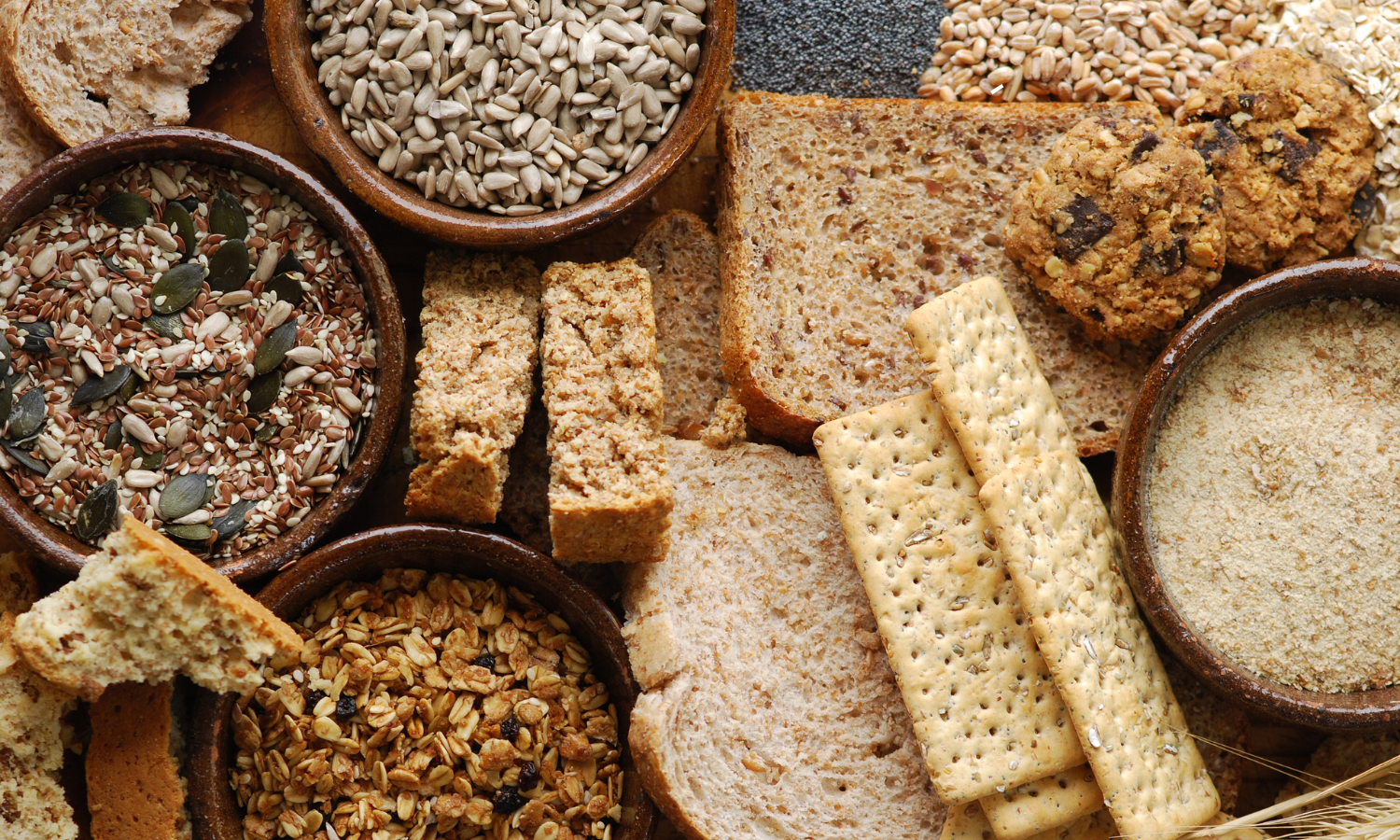
Interest in the gut-skin axis has placed dietary fibre at the centre of nutritional discussions around eczema — not as a cure, but as a consistent and specific modulator of the gut microbiome composition that influences eczema-relevant immune signalling. The mechanism is more specific than "fibre supports gut health," and understanding it makes practical dietary choices more compelling.
Fibre & Eczema: Why Gut Health Is Becoming Part Of The Conversation
When people think about eczema, they usually focus on skincare products, allergies or weather changes — but increasingly, researchers are also looking at the gut.
That’s because the gut and immune system are closely connected, and fibre plays a major role in supporting gut health. Since eczema is linked to inflammation and immune dysfunction, many scientists are now exploring whether fibre intake may influence eczema symptoms through the “gut-skin axis.”
While fibre won’t “cure” eczema, balanced fibre intake is increasingly discussed as part of broader skin-supportive nutrition habits.
Why Fibre Matters For Overall Health
Fibre is a type of carbohydrate the body cannot fully digest.
It helps support:
Digestion
Gut bacteria balance
Blood sugar regulation
Bowel regularity
Overall metabolic health
There are two main types of fibre:
Soluble fibre
Insoluble fibre
Both are important for overall health and may influence inflammation differently.
Fibre does much more than digestion — it also helps support the gut microbiome.
The specific mechanism: butyrate and immune regulation
When gut bacteria ferment dietary fibre, they produce short-chain fatty acids (SCFAs) — primarily acetate, propionate, and butyrate. Butyrate is the most studied in relation to immune function and is the most relevant to eczema.
Butyrate has documented effects that are directly relevant to atopic eczema:
Regulatory T-cell induction. Butyrate promotes the differentiation of regulatory T-cells (Tregs) in the colon. Tregs suppress excessive immune responses — including the Th2 immune overactivity that drives atopic eczema. This is one of the most specific mechanistic connections between gut bacteria, fibre, and atopic immune responses.
Intestinal barrier integrity. Butyrate is the primary energy substrate for colonocytes (colon lining cells) and directly supports tight junction protein expression, maintaining intestinal barrier integrity. As covered in the leaky gut and probiotics eczema articles in this series, intestinal permeability is a documented feature in atopic eczema — butyrate-producing bacteria support the barrier that limits systemic allergen exposure.
HDAC inhibition and epigenetic effects. Butyrate inhibits histone deacetylase (HDAC), an enzyme involved in gene expression regulation — including genes controlling inflammatory cytokine production. This epigenetic mechanism is an active area of immunological research.

The Gut-Skin Connection & Eczema
Researchers increasingly believe the gut microbiome may influence skin conditions like eczema.
The gut microbiome refers to the trillions of bacteria living in the digestive system, which help regulate:
Immunity
Inflammation
Nutrient absorption
Skin barrier signalling
Some studies suggest people with eczema may have differences in gut bacteria diversity compared to those without eczema.
The gut and skin communicate more closely than many people realise.
The specific bacteria: Faecalibacterium prausnitzii
Not all gut bacteria produce butyrate equally. Faecalibacterium prausnitzii is one of the most documented butyrate-producing species and is consistently lower in people with atopic eczema compared to healthy controls in published microbiome studies.
As noted in the ultra-processed foods and psoriasis article, F. prausnitzii is specifically supported by high-fibre, minimally processed dietary patterns and reduced by ultra-processed foods and emulsifiers. This gives dietary fibre a specific bacterial target — increasing F. prausnitzii and other butyrate producers through adequate prebiotic substrate.
Practical ways to increase fibre intake for eczema
Oats daily. 50g of rolled oats provides approximately 5g of beta-glucan soluble fibre. One of the most efficient single-food fibre improvements. Consumed as porridge, overnight oats, or added to smoothies.
Legumes at least three times per week. Lentils, chickpeas, black beans, kidney beans — each provides 6–8g fibre per 100g cooked. A portion of lentil soup or dal, chickpea salad, or bean stew covers the deficit more efficiently than any other food category.
Diverse vegetables. Five different vegetables across the day provides more diverse fermentable substrate than five portions of the same vegetable. Diversity of fibre sources produces greater microbiome diversity.
Whole fruit rather than juice. An apple provides approximately 4g fibre; apple juice essentially zero. The fibre is in the flesh and peel.
Seeds. Ground flaxseed (1 tablespoon = approximately 3g fibre, plus ALA omega-3), chia seeds (10g per tablespoon), psyllium husk — all high in soluble fibre, easily added to existing meals.
Increase gradually. Moving from 18g to 30g fibre daily should take two to three weeks to allow gut bacteria to adjust. Rapid fibre increases produce bloating and discomfort that are uncomfortable but not harmful — however, gradual increases are more sustainable.
Recommended Products
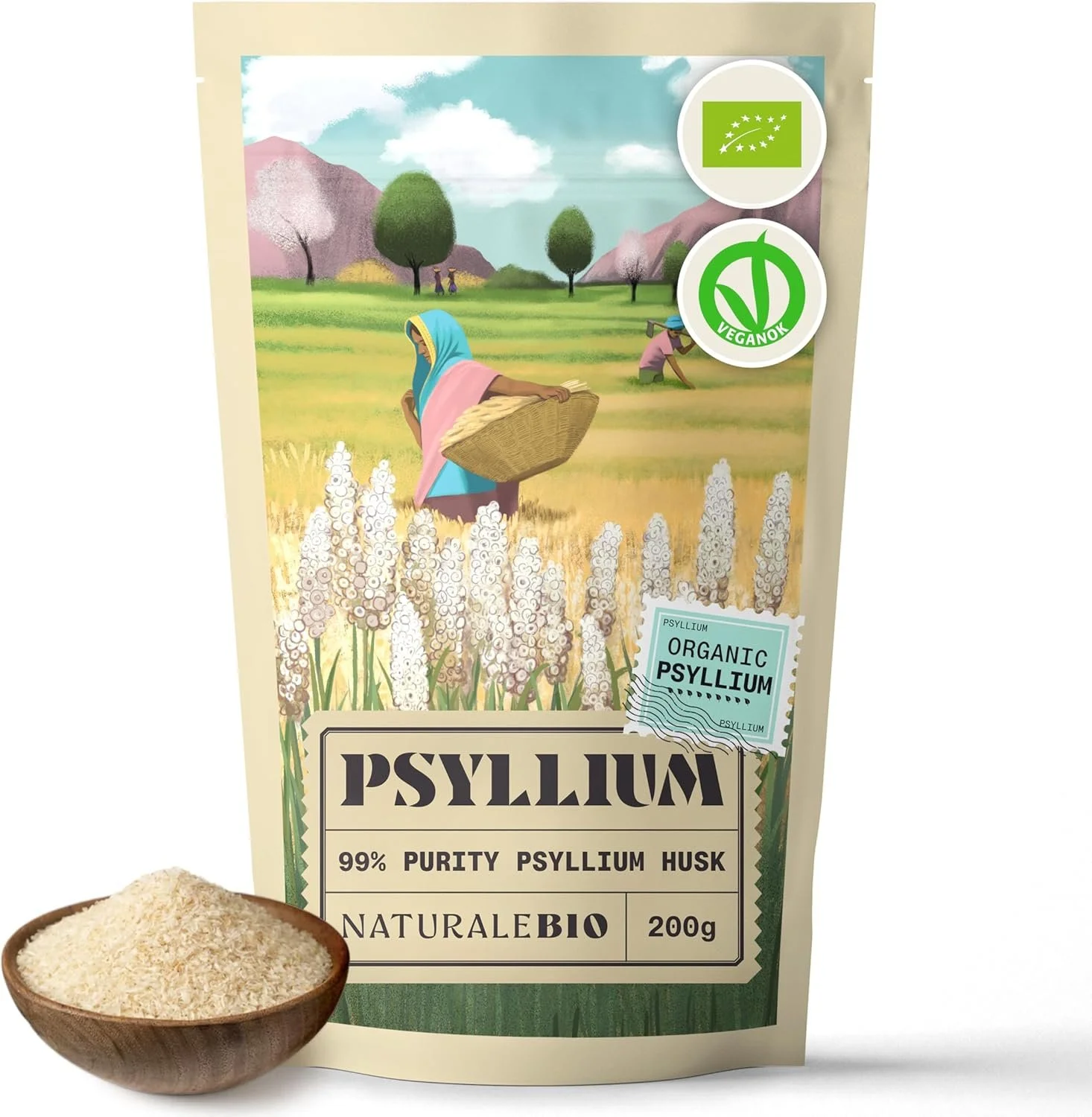
Organic Psyllium Husk Powder
for people who consistently fall short of the 30g daily fibre target through diet alone, psyllium husk is one of the most appropriate supplemental options. It is almost entirely soluble fermentable fibre — the specific type that gut bacteria ferment to produce butyrate and other SCFAs relevant to the Th2-regulating mechanisms covered above. One tablespoon (approximately 5g) stirred into water, juice, or a smoothie adds meaningful soluble fibre without altering the flavour of food. Introduce gradually — as with all fibre increases, a rapid jump in psyllium intake produces bloating until gut bacteria adapt.
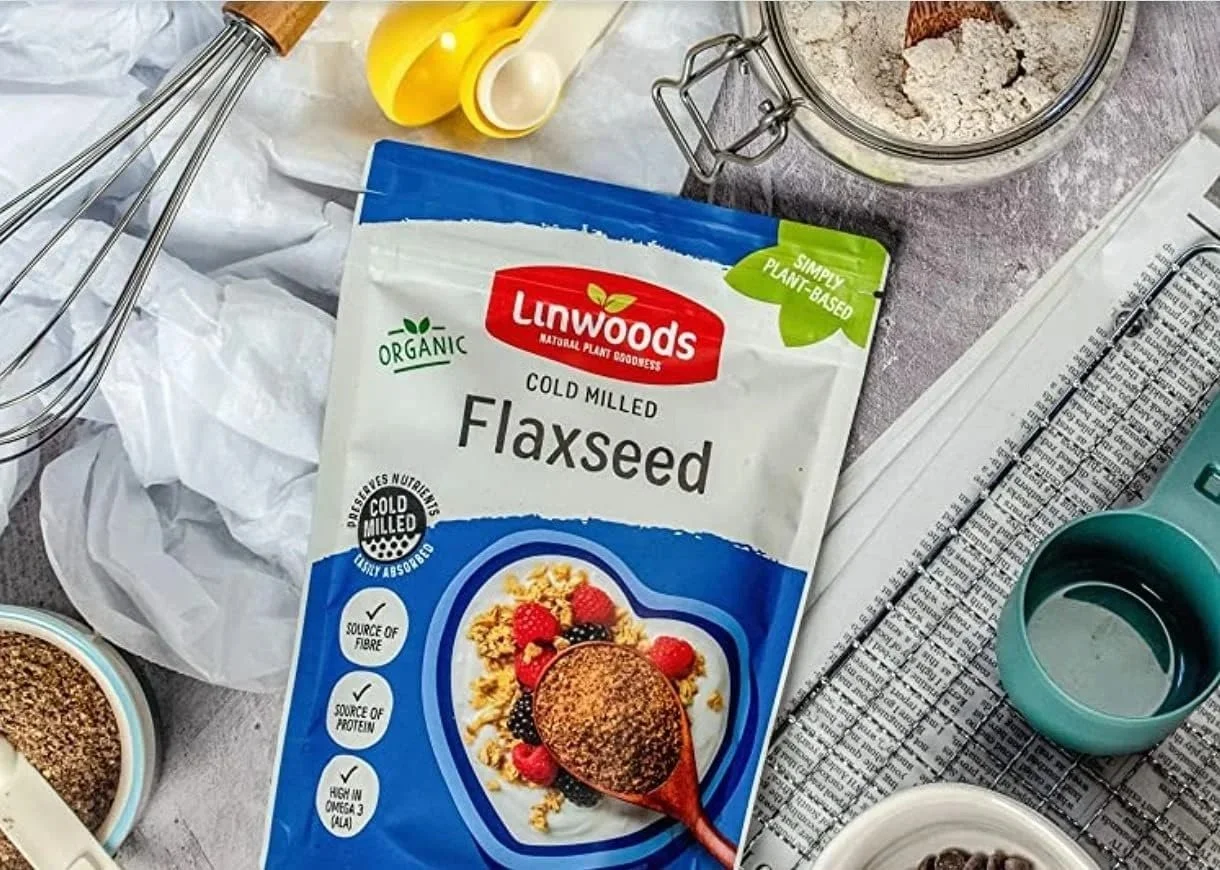
Linwoods Milled Organic Flaxseed
ground flaxseed provides both soluble fibre and ALA omega-3 in one product, making it one of the most efficient single food additions for eczema management. One tablespoon (approximately 3g fibre alongside 1.5g ALA) adds easily to porridge, yogurt, smoothies, or soup without affecting texture significantly. Ground rather than whole flaxseed is essential — whole flaxseeds pass through the gut largely undigested and provide neither the fibre fermentation nor the ALA benefit.
Early life, fibre, and the atopic march
Some of the most compelling evidence for fibre's role in eczema comes from early life research. Children raised in environments with diverse microbial exposure and higher dietary fibre intake have consistently lower rates of atopic disease — eczema, hay fever, and asthma.
A systematic review found that maternal and infant dietary fibre intake was associated with reduced risk of atopic sensitisation and eczema in infancy. The proposed mechanism involves the same butyrate-Treg pathway — establishing appropriate immune tolerance during the critical early immune development window.
This is related to the LEAP trial finding (covered in the allergies and eczema article) — early appropriate immune exposure supports tolerance rather than sensitisation.
Can Low Fibre Intake Affect Eczema?
Research is still developing, but some studies suggest lower-fibre diets may negatively affect gut microbiome diversity and inflammatory regulation.
Highly processed diets low in fibre are also commonly linked to:
Poor gut health
Blood sugar spikes
Increased inflammatory stress
However, eczema itself is extremely complex and influenced by many factors beyond diet alone.
Fibre is likely one small part of a much bigger skin health picture.
Soluble vs insoluble fibre: the distinction for eczema
Not all fibre is equal for gut microbiome support:
Soluble fibre dissolves in water and is the primary fermentation substrate for gut bacteria, producing SCFAs including butyrate. Sources include oats (beta-glucan), legumes (lentils, chickpeas, black beans), psyllium husk, apples, pears, and barley. This is the type most relevant to the butyrate-Treg mechanism.
Insoluble fibre does not dissolve and primarily adds bulk to stool, supporting transit time. Sources include wheat bran, vegetables (particularly skins), whole grains. Less directly involved in SCFA production but supports overall gut health through transit time regulation.
For eczema specifically, soluble fermentable fibre — from oats, legumes, and fruit — is the most mechanistically targeted type.
Why Fibre Intake Should Increase Gradually
One common mistake is increasing fibre too quickly.
Sudden increases may cause:
Bloating
Digestive discomfort
Gas
Stomach cramps
This is why many experts recommend:
Increasing fibre gradually
Drinking enough water
Choosing a variety of fibre sources
Gut health routines usually work best when introduced slowly and consistently.
The UK fibre gap
Most UK adults consume approximately 18g of dietary fibre daily — considerably below the NHS recommended 30g. This means most people are providing sub-optimal prebiotic substrate to their gut bacteria, limiting SCFA production and the butyrate-mediated immune regulatory effects.
The gap is primarily driven by low legume consumption, insufficient vegetable variety, and the displacement of whole grains by ultra-processed refined carbohydrates — the same ultra-processed food pattern covered in the processed foods article.
Supplement Support for Dry, Sensitive Skin
Dietary fibre addresses gut microbiome composition. The complementary internal dimensions of eczema — vitamin D (filaggrin upregulation, Th2 modulation), zinc (immune regulation and barrier repair), omega-3s (eicosanoid inflammation pathway) — require targeted nutritional support beyond fibre alone.
Drought's Skin Support Formula provides vitamin D, zinc, vitamin C, magnesium, and 10 other nutrients — addressing the internal nutritional dimensions of eczema management that dietary fibre complements but doesn't replace. Made in the UK, suitable for vegetarians, designed for consistent long-term daily use.
FAQ
Can fibre help eczema?
Indirectly — through the gut-skin axis rather than through a direct anti-inflammatory effect on skin. Soluble fibre feeds F. prausnitzii and other butyrate-producing bacteria in the colon. Butyrate maintains intestinal tight junction integrity, reducing the translocation of bacterial lipopolysaccharides (LPS) into systemic circulation. LPS translocation triggers TLR4-mediated systemic inflammation that amplifies eczema's Th2 immune dysregulation. Consistent soluble fibre intake is one of the most practical and most evidence-supported interventions for improving this specific gut-skin axis pathway.
Why is gut health linked to eczema?
Multiple published studies find significantly altered gut microbiome composition in eczema patients compared to healthy controls — specifically reduced F. prausnitzii, reduced Bifidobacterium species, and reduced overall microbiome diversity. These bacterial deficits reduce butyrate production, compromise intestinal tight junction integrity, and increase LPS translocation — producing the systemic inflammatory environment that amplifies Th2 immune activity driving eczema. The gut-skin axis connection is mechanistically specific rather than a general "gut health is important" claim.
What type of fibre is best for eczema?
Soluble fermentable fibre that specifically supports F. prausnitzii growth — inulin-type fructans from chicory, Jerusalem artichokes, onions, and garlic; resistant starch from slightly underripe bananas, cooked and cooled potatoes, and oats; and pectin from apples and pears. Psyllium husk provides complementary soluble gel-forming fibre that supports gut barrier integrity through transit time regulation. Insoluble fibre from wheat bran increases bulk but doesn't produce the same F. prausnitzii butyrate-production benefit for the gut-skin axis.
What foods are highest in fibre for eczema?
Oats (both beta-glucan and resistant starch), slightly underripe bananas (resistant starch), apples and pears with skin (pectin), Jerusalem artichokes and chicory (inulin), cooked and cooled potatoes and rice (resistant starch increases on cooling), and ground flaxseed (soluble mucilage fibre alongside ALA omega-3). Combining two to three of these at each meal provides the sustained F. prausnitzii substrate that single daily fibre additions don't reliably achieve.
Should I take fibre supplements for eczema?
Psyllium husk is the most appropriate fibre supplement for eczema-relevant gut support — it provides soluble gel-forming fibre that supports gut barrier integrity and adds to total fermentable fibre without the bloating risk of inulin supplements at high doses. Inulin supplements at therapeutic doses cause significant gas and bloating in most people who aren't already eating high-inulin diets — introduce gradually at one to two grams daily and increase over four to six weeks. Whole-food fibre from the sources above is generally better tolerated and more nutritionally complete than isolated supplement forms.
How long does increased fibre take to affect eczema?
The gut microbiome begins responding to dietary fibre changes within days — F. prausnitzii abundance increases measurably within two to four weeks of sustained high-fibre intake. Visible skin effects from microbiome shifts take longer — four to eight weeks of consistent dietary change before assessing eczema impact is a realistic minimum. Microbiome composition responds to consistent daily intake rather than periodic high-fibre days — daily habit is more important than occasional high-dose fibre consumption.
Can low fibre diets worsen eczema?
Consistently low-fibre diets reduce microbiome diversity, decrease F. prausnitzii and butyrate-producing bacteria, and increase intestinal permeability — all documented in eczema patients and all specifically relevant to the gut-skin axis mechanism. Ultra-processed diets high in refined carbohydrates and low in plant diversity are among the most consistently documented microbiome diversity reducers in published research. The practical implication: reducing ultra-processed food intake and increasing plant diversity addresses the same gut-skin axis pathway as deliberately adding high-fibre foods — both approaches are worth pursuing simultaneously.
Summary
Dietary fibre supports eczema management through the gut-skin axis via a specific mechanism: fermentation by gut bacteria (particularly Faecalibacterium prausnitzii) producing butyrate, which induces regulatory T-cells that suppress the Th2 immune overactivity driving atopic eczema. Soluble fermentable fibre from oats, legumes, fruit, and seeds is the most mechanistically relevant type. Most UK adults consume significantly below the 30g recommended daily intake. Practical increases through oats, legumes, diverse vegetables, and seeds — introduced gradually — address the gut microbiome dimension of eczema alongside topical management and targeted nutritional supplementation.
Written by the Drought Skin team — specialists in natural support for psoriasis, eczema and acne
Disclaimer: This article contains affiliate links. We earn a very small commission from each purchase made through these links. There is no additional cost to you. All products featured have been specifically selected as products we personally use and love. For further information, please see our disclaimer page.
