Korean Skincare for Acne: What K-Beauty Gets Right, What to Modify & the Best Ingredients
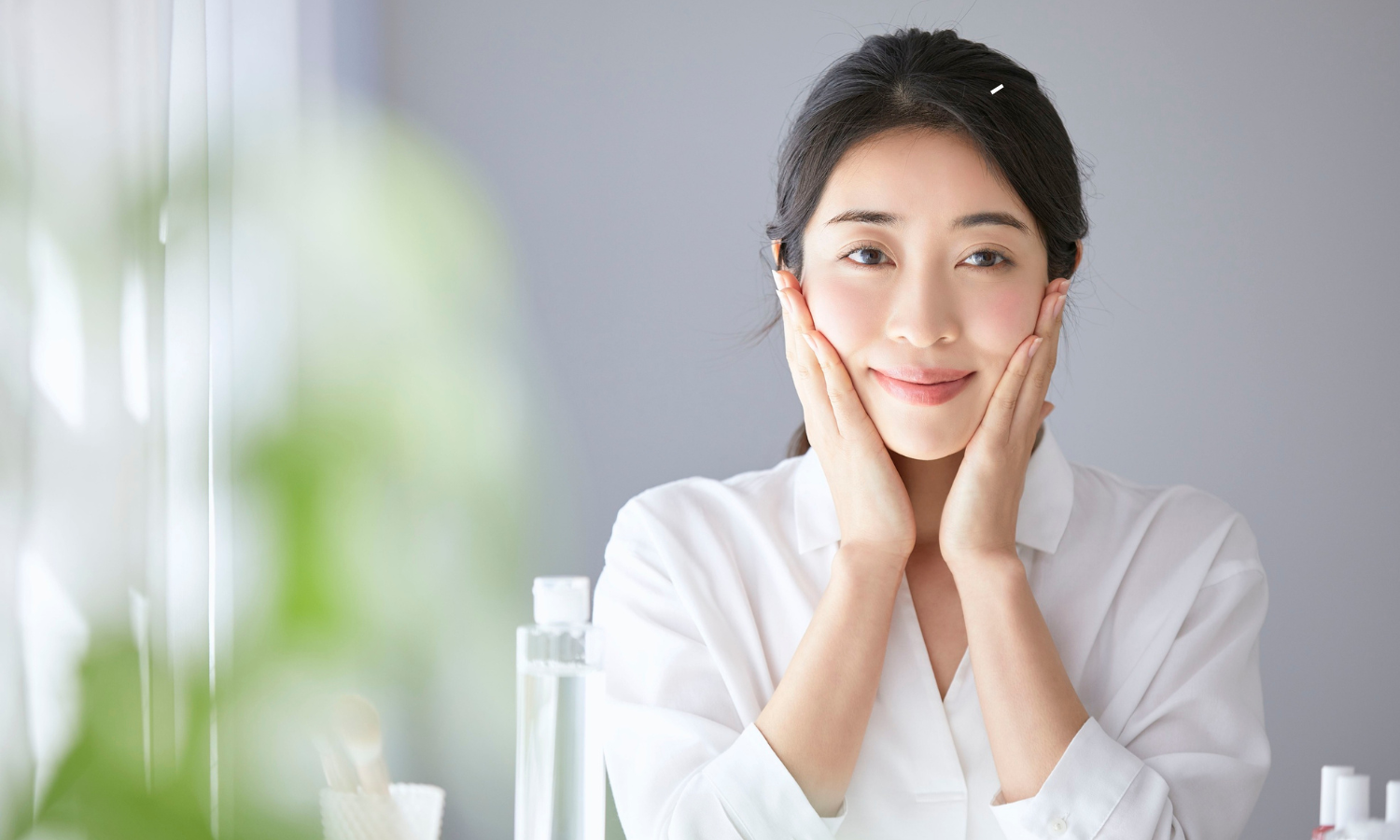
Korean skincare's central philosophy — hydrate, repair the barrier, protect, and be consistent — is more evidence-based for acne management than the Western approach of stripping oil with harsh cleansers and piling on actives until the skin gives up. But K-beauty isn't designed for acne-prone skin specifically, and several of its signature elements need modification before they work well for congestion-prone, breakout-prone skin.
Why Korean Skincare Approaches Acne Differently
One of the key principles in many Korean skincare routines is maintaining skin health while addressing specific concerns.
Rather than focusing exclusively on removing oil, many routines emphasise:
Hydration
Gentle cleansing
Barrier support
Consistency
The goal is often to create an environment where the skin can function normally.
Why the barrier-first philosophy makes sense for acne
The conventional acne logic — oily skin needs oil removed — has been increasingly challenged by research showing that barrier disruption worsens acne rather than improving it. When the stratum corneum is compromised by aggressive cleansers, over-exfoliation, or excessive active ingredient use, the skin responds by upregulating sebum production as a compensatory protective mechanism. The result is more oil, not less — alongside the sensitisation and irritation that make further active ingredient use less tolerable.
Korean skincare's barrier-first approach directly addresses this cycle. Maintaining the ceramide-rich lipid layer through gentle cleansing and consistent humectant and emollient application keeps sebum production at baseline rather than triggering the compensatory surge that barrier-disrupting routines produce. The skin can then tolerate targeted acne actives more effectively than it can when those actives are the only thing going on.
This is why so many people with acne report improvement when they simplify their routines — fewer products, gentler cleansing, consistent moisturisation — and why K-beauty's stripped-back barrier philosophy has gained significant traction in the acne community specifically.
Hydration And Acne
A common misconception is that acne-prone skin does not need hydration.
In reality, many people with acne experience dehydration as a result of:
Over-cleansing
Excessive exfoliation
Strong treatments
Environmental factors
Hydrated skin and oily skin are not the same thing.
Skin can produce excess oil while still lacking sufficient hydration.
The double cleanse: keep or modify?
The double cleanse — oil cleanser followed by water-based cleanser — is the most distinctive element of Korean skincare routines and the one that most often gets questioned for acne-prone skin.
For makeup and sunscreen removal: keep it. An oil cleanser dissolves the lipophilic sunscreen filters and cosmetic residues that water-based cleansers struggle to remove fully — uncleaned sunscreen residue contributing to pore congestion is a genuine concern. A gentle micellar oil cleanser followed by a low-pH water-based cleanser removes everything without the surfactant load of a single harsh cleanser working alone.
Twice daily: don't. Double cleansing every morning on skin that has had no makeup or sunscreen overnight is unnecessary barrier disruption. Morning cleansing for acne-prone skin should be a single gentle rinse — lukewarm water or a very mild gel cleanser only. Reserve the full double cleanse for evening when sunscreen and product residue actually need removing.
Ingredients Commonly Associated With Barrier Support
Many Korean skincare products contain ingredients chosen to support hydration and skin comfort.
Examples include:
Ceramides
Naturally occurring lipids that help support the skin barrier.
Hyaluronic Acid
An ingredient that helps attract and retain moisture.
Glycerin
A widely used humectant that supports hydration.
Centella Asiatica
A plant extract frequently used in Korean skincare products.
Panthenol
An ingredient often included in products designed for sensitive skin.
Centella asiatica: the most specifically useful K-beauty ingredient for acne
Centella asiatica has become one of K-beauty's signature ingredients and the one with the most specific mechanism for acne-prone skin. Its primary bioactive compounds — asiaticoside, asiatic acid, and madecassoside — have documented anti-inflammatory activity through NF-κB inhibition and direct wound healing through collagen synthesis stimulation.
For acne specifically, centella addresses two distinct dimensions. The anti-inflammatory activity reduces the post-lesion inflammatory cascade that produces post-inflammatory hyperpigmentation — centella preparations applied to healing spots consistently reduce both the duration of active inflammation and the severity of subsequent PIH. The collagen synthesis stimulation supports the tissue repair that determines whether healing spots leave atrophic marks or recover without visible scarring.
Snail mucin: barrier repair and PIH fading
Snail secretion filtrate (the polite name for snail mucin) is one of K-beauty's most commercially significant ingredients and one that has a coherent mechanism for acne-prone skin. The secretion contains allantoin, glycoproteins, hyaluronic acid, and glycolic acid in a natural complex that produces simultaneous wound healing, barrier repair, and mild exfoliating activity.
For acne scarring and PIH specifically, snail mucin's glycoprotein growth factor content stimulates fibroblast activity and collagen remodelling — the same mechanism that makes it effective for wound healing in general. Applied consistently to healing acne spots, it reduces the atrophic scar depth and PIH pigmentation that standard emollients applied to the same area don't address.
The comedogenic concern is minimal — snail mucin's water-soluble glycoprotein structure doesn't occlude follicles in the way triglyceride oils do. It's one of the genuinely appropriate active ingredients for acne-prone skin that K-beauty has mainstreamed.
BHA toner: the K-beauty active that directly addresses acne
COSRX's BHA Blackhead Power Liquid is one of the most widely sold acne-focused K-beauty products in the UK market and one of the most specifically appropriate. It delivers betaine salicylate — a gentler salicylate derivative than standard salicylic acid with equivalent BHA exfoliating and follicular penetrating activity at lower irritation potential.
Recommended Products
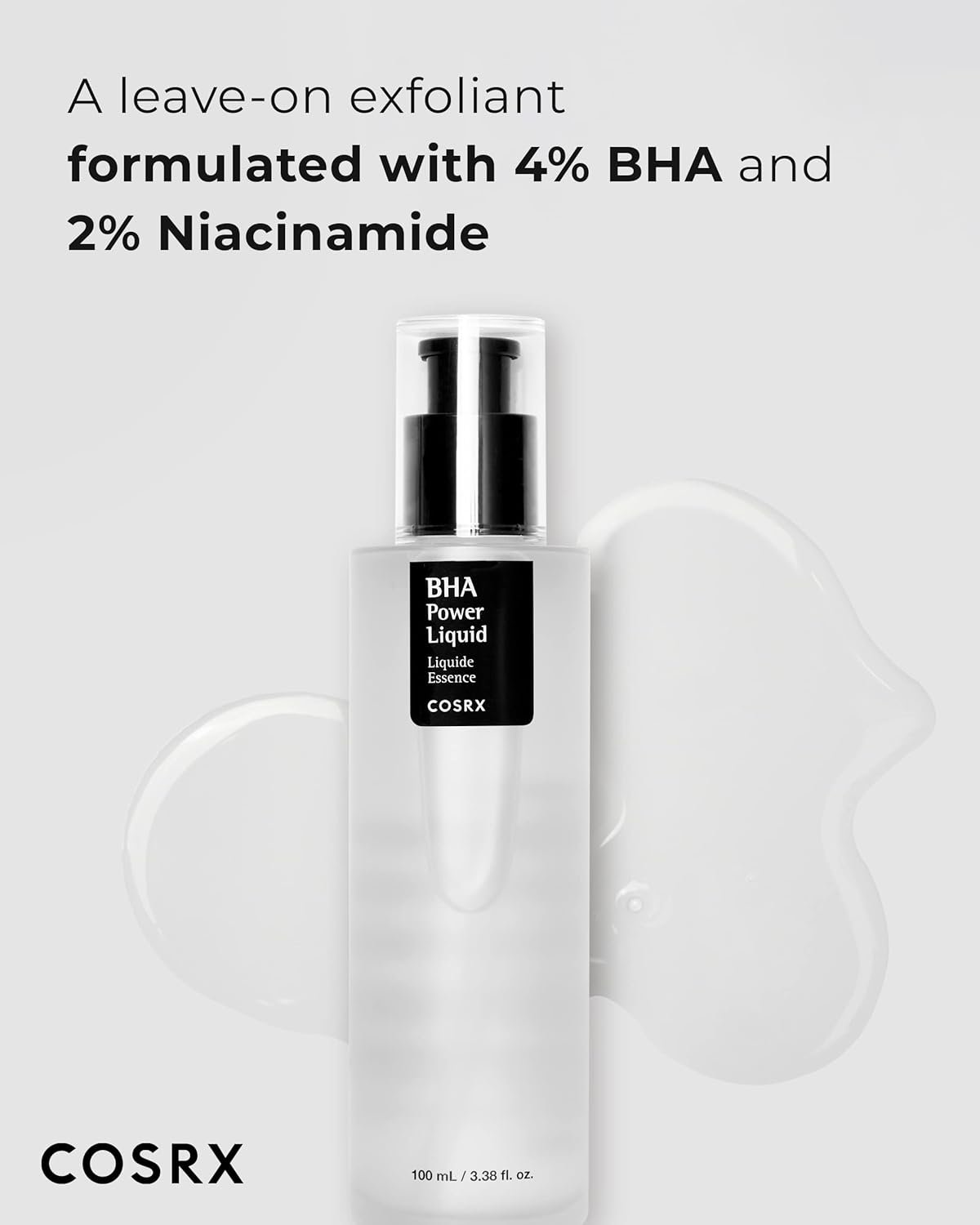
COSRX BHA Blackhead Power Liquid
betaine salicylate in a low-pH base providing lipophilic follicular penetration that loosens comedone contents from within. Apply to settled, non-inflamed skin two to three evenings weekly — not daily, and not in combination with other actives on the same evening.
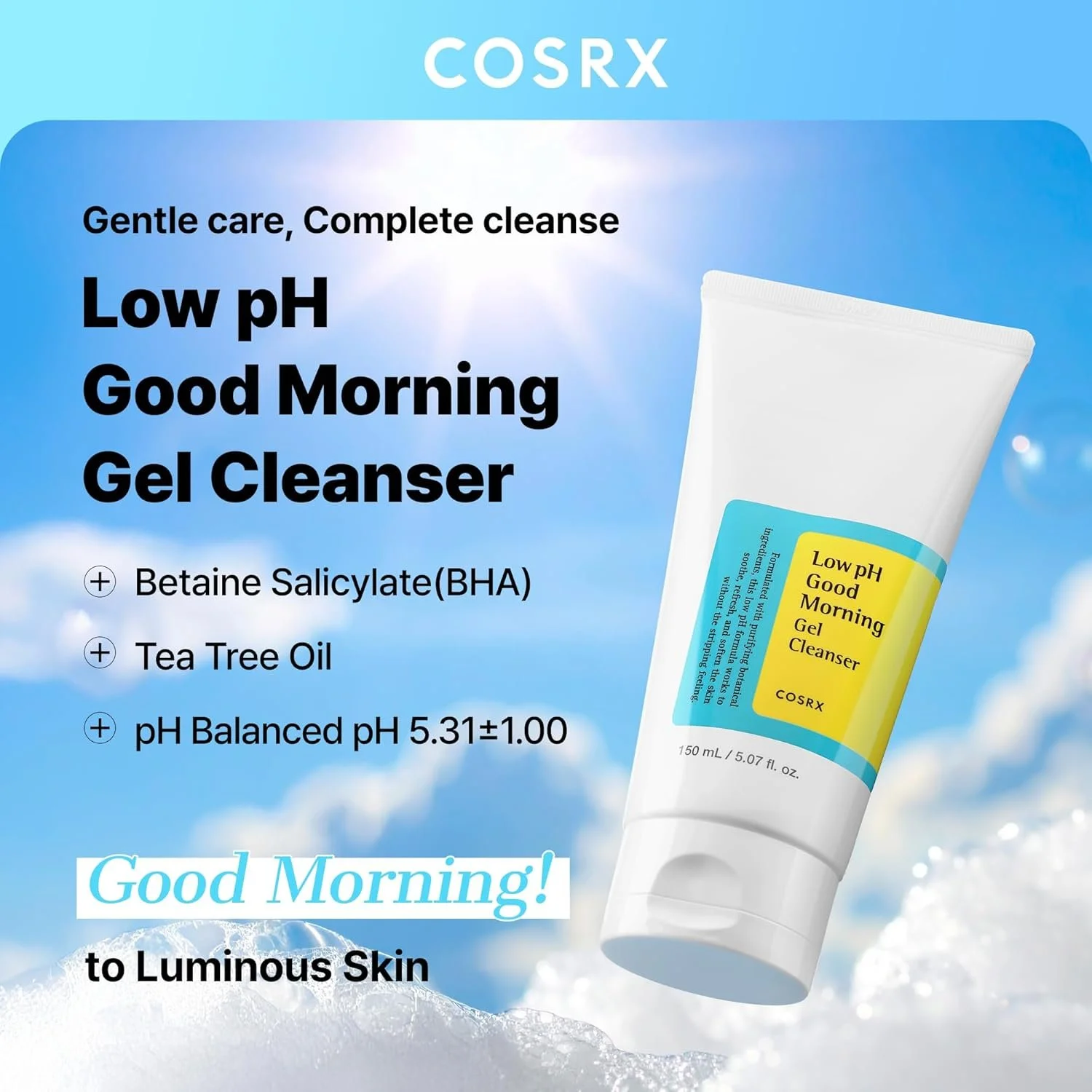
COSRX Low pH Good Morning Gel Cleanser
a pH 5.0 gel cleanser that maintains the skin's acid mantle rather than disrupting it with alkaline surfactants. Appropriate as the water-based second step of an evening double cleanse and as a standalone morning cleanser for acne-prone skin.
Korean sunscreen: one of K-beauty's most commercially significant contributions
Korean sunscreen formulations have achieved something that Western formulations largely haven't — SPF50 in textures light enough that acne-prone skin users actually apply them. The UV filter combinations approved in South Korea (including newer filters not yet approved in the EU) produce lighter, less occlusive textures than European formulations at equivalent SPF.
For acne-prone skin, consistent SPF use is non-negotiable — UV exposure worsens PIH from healing spots and degrades most acne actives including retinol and vitamin C. A sunscreen light enough to actually apply consistently is therefore directly relevant to acne management rather than incidental to it.
Does Korean Skincare Mean A 10-Step Routine?
Not necessarily.
The famous 10-step routine is often misunderstood.
Many people who follow Korean skincare principles actually use relatively simple routines focused on:
Cleansing
Hydration
Moisturising
Sun protection
Consistency tends to matter more than the number of products used.
What to skip or modify for acne-prone skin
Essence and toner layering: multiple watery layers before serums can create a moisture film that prevents subsequent active ingredient penetration — relevant for acne serums (BHA, niacinamide, azelaic acid) that require direct skin contact to work. One hydrating toner maximum before actives.
Sheet masks: many contain fragrance, alcohol, or sensitising preservatives alongside beneficial humectants. The occlusive contact for 20 minutes significantly increases penetration of all ingredients — amplifying both beneficial and problematic components. Check ingredient lists carefully and avoid during active breakouts.
Fermented ingredients: fermented rice water and similar fermented beauty ingredients are popular in K-beauty but can be problematic for Malassezia-sensitive acne types — the same yeast implicated in fungal acne (Malassezia folliculitis) can proliferate in fermented ingredient environments.
Supplement Support For Skin Health
K-beauty's barrier-first philosophy manages what happens at the skin surface — the androgen-driven sebum overproduction, C. acnes immune response, and nutritional deficiencies driving acne operate internally. Zinc's 5-alpha-reductase inhibition, vitamin D's TLR2 modulation, and vitamin C's sebum oxidation protection address the same acne pathology from the internal direction.
Drought's Skin Support Formula provides zinc, vitamin D, vitamin C, and 11 other nutrients — the internal complement to a well-chosen K-beauty acne routine. Made in the UK, suitable for vegetarians, designed for consistent long-term daily use.
FAQ
Is Korean skincare good for acne?
Yes — its barrier-first philosophy is more evidence-based for acne than aggressive stripping approaches. Maintaining barrier integrity reduces compensatory sebum overproduction and allows targeted actives to work more effectively on skin that isn't already compromised by over-cleansing and over-exfoliation.
Can a damaged skin barrier cause acne?
A damaged skin barrier does not directly cause acne, but it may contribute to irritation and sensitivity that complicate acne management.
What is barrier repair?
Barrier repair refers to supporting the skin's natural protective function through hydration, moisturising, and gentle skincare practices.
Is double cleansing good for acne-prone skin?
In the evening for makeup and sunscreen removal — yes. Twice daily regardless of product use — no. Morning double cleansing on clean skin is unnecessary barrier disruption. Reserve double cleansing for evening when sunscreen and product residue actually need removing.
Does centella asiatica help acne?
Yes — through NF-κB anti-inflammatory activity reducing post-lesion PIH, and collagen synthesis stimulation supporting tissue repair in healing spots. It's the most specifically useful K-beauty ingredient for the acne-scarring dimension of acne management.
Is snail mucin comedogenic?
No — snail mucin's water-soluble glycoprotein structure doesn't occlude follicles in the way triglyceride oils do. It's one of the most appropriate active ingredients for acne-prone skin that K-beauty has mainstreamed, combining barrier repair, PIH fading, and wound healing through its glycoprotein and allantoin content.
What COSRX products are good for acne?
COSRX Low pH Good Morning Gel Cleanser for barrier-safe cleansing, COSRX BHA Blackhead Power Liquid for comedonal congestion, and COSRX Centella Blemish Cream for active spots and healing skin. These three cover the cleansing, exfoliation, and spot treatment dimensions of an acne routine without overlapping.
Does Korean sunscreen help acne?
Indirectly but significantly — Korean sunscreen formulations achieve SPF50 in textures light enough that acne-prone skin users actually apply them consistently. Consistent SPF use protects healing spots from UV-worsened PIH and prevents UV degradation of acne actives. An SPF you actually apply every day is better than a heavier one you skip.
Do I need a 10-step Korean skincare routine?
No. Many people use simplified routines based on the same principles.
What ingredients support the skin barrier?
Common examples include ceramides, hyaluronic acid, glycerin, panthenol, and centella asiatica.
Summary
Korean skincare's barrier-first philosophy is more appropriate for acne-prone skin than aggressive stripping approaches — maintaining barrier integrity reduces compensatory sebum overproduction and allows targeted actives to work more effectively. The double cleanse is appropriate for evening makeup and sunscreen removal but not twice daily. Centella asiatica, snail mucin, and betaine salicylate are the three most specifically useful K-beauty actives for acne and acne scarring. Sheet mask and fermented ingredient caution is warranted for acne-prone skin types.
Written by the Drought Skin team — specialists in natural support for psoriasis and eczema.
Disclaimer: This article contains affiliate links. We earn a very small commission from each purchase made through these links. There is no additional cost to you. All products featured have been specifically selected as products we personally use and love. For further information, please see our disclaimer page.
