
Hormones & Eczema: The Oestrogen-Filaggrin Connection, Cyclical Flares & What to Do
For many people with eczema, skin symptoms follow patterns that have nothing to do with skincare products, diet, or obvious environmental triggers. Eczema worsens predictably in the week before a period. It flares during perimenopause without any apparent change in routine. It improves or worsens significantly after starting or stopping the contraceptive pill. These patterns are not coincidences — they reflect specific and documented relationships between sex hormones and the immune, barrier, and inflammatory mechanisms that drive eczema.
The oestrogen-filaggrin-ceramide connection
Oestrogen's relationship with eczema runs through two specific pathways that explain both why eczema worsens when oestrogen falls and why it can worsen when oestrogen rises.
Filaggrin regulation. Oestrogen upregulates filaggrin expression in keratinocytes through oestrogen receptor-mediated transcription. Filaggrin — the protein produced by the FLG gene — is the most important structural component of the skin barrier, providing natural moisturising factors, acid mantle pH regulation, and cornified envelope integrity. When oestrogen falls — as it does in the luteal phase of the menstrual cycle, during perimenopause, and postpartum — filaggrin expression reduces, directly worsening the barrier deficit that defines atopic eczema. For people with FLG loss-of-function mutations (present in 25–50% of atopic eczema patients), this hormonal modulation of an already-compromised gene produces particularly significant barrier changes.
Ceramide synthesis. Oestrogen promotes ceramide production in the stratum corneum through oestrogen receptor activity in keratinocytes. Ceramides are the primary lipid component of the intercellular matrix — eczema skin already has 30–40% lower ceramide content than healthy skin. When oestrogen declines, ceramide synthesis reduces further, widening the gaps through which water escapes and allergens penetrate. This mechanism explains why post-menopausal skin — which operates in a sustained low-oestrogen environment — is specifically prone to dryness, reduced barrier function, and eczema worsening or new onset.
Th2 immune modulation. Oestrogen has complex immunomodulatory effects — at lower concentrations it promotes Th1 responses, while at higher concentrations it promotes Th2 responses. Eczema is driven by Th2 immune polarisation. This means oestrogen's relationship with eczema inflammation is not linear — both high and low oestrogen can worsen eczema through different mechanisms, with the direction depending on where in the hormonal cycle the person is.
Menstrual cycle eczema: the luteal phase pattern
The most commonly reported and most specifically documented hormonal eczema pattern is premenstrual worsening — eczema flaring in the week before menstruation and improving once the period begins.
The mechanism is specific. In the luteal phase (the two weeks between ovulation and menstruation), progesterone rises to its monthly peak and oestrogen rises then falls sharply in the days immediately before menstruation. This premenstrual oestrogen drop reduces filaggrin expression and ceramide synthesis — worsening barrier function at the same time that progesterone is modulating immune responses. Progesterone has been shown to suppress some Th1 immune responses while allowing Th2 activity to increase, contributing to the inflammatory environment during this phase.
Additionally, the premenstrual period is associated with elevated cortisol variability through HPA axis changes during the luteal phase. Cortisol dysregulation — covered in the stress and skin article in this series — directly worsens eczema through ceramide depletion and Th2 amplification. The premenstrual eczema flare frequently represents the convergence of falling oestrogen, progesterone-mediated Th2 promotion, and cortisol variability operating simultaneously.
For people who notice a consistent premenstrual eczema pattern, tracking skin state daily against menstrual cycle day for two to three cycles is the most reliable way to confirm the pattern before making any management changes. A free period and symptom tracking app (Clue, Flo) can be used for this purpose.
Perimenopause and eczema
Perimenopause produces the most significant sustained oestrogen fluctuation across the female lifespan — irregular oestrogen rises and falls over months to years before the sustained post-menopausal decline. For people with pre-existing atopic eczema, perimenopause frequently represents a significant worsening period. For people without previous eczema history, new-onset eczema in perimenopause is a documented and recognised pattern.
The mechanism combines all three pathways described above — reduced filaggrin expression, reduced ceramide synthesis, and Th2 immune shift — but with the added complexity of the erratic oestrogen fluctuation pattern of perimenopause rather than the more predictable monthly pattern of the menstrual cycle. Some weeks oestrogen is elevated (and may drive Th2 inflammation through higher-concentration oestrogen effects); other weeks it falls sharply (reducing filaggrin and ceramide support simultaneously).
Perimenopausal eczema is frequently misattributed to ageing, stress, or environmental changes rather than recognised as a hormonally-driven pattern. Discussing the pattern with a GP with reference to its temporal correlation with perimenopausal symptoms — hot flushes, sleep disruption, menstrual irregularity — is appropriate and may lead to a HRT discussion that could benefit both conditions simultaneously.
HRT and eczema. Some published evidence suggests topical oestrogen and combined HRT improves skin hydration and barrier function in post-menopausal women — consistent with oestrogen's filaggrin and ceramide regulatory mechanisms. Whether HRT specifically improves eczema is less clearly established, but the mechanistic rationale is coherent. This is specifically a discussion to have with a GP rather than self-managing.
The contraceptive pill and eczema
The contraceptive pill's effect on eczema varies significantly depending on the specific formulation — the type of progestogen and the oestrogen dose both matter in ways that are poorly covered in most health information.
Combined oral contraceptives (COC) containing synthetic oestrogen and progestogen alter the body's natural hormonal cycling. For many people with cyclical premenstrual eczema, suppressing the natural cycle suppresses the premenstrual oestrogen drop that drives the flare — potentially improving cyclical eczema patterns. The specific progestogen matters: progestogens with androgenic activity (levonorgestrel, norethisterone) may worsen acne and potentially eczema through androgen receptor activity; progestogens with anti-androgenic or neutral activity (drospirenone, desogestrel) are generally less likely to worsen skin.
Progestogen-only pills (POP) — the mini pill — contain no oestrogen and provide only progestogen throughout the cycle. For people with oestrogen-driven eczema protection, the POP removes the oestrogen dimension without the cyclical variation, which may worsen eczema compared to combined pills or compared to the natural cycle in people with good baseline oestrogen levels.
Starting or stopping the pill can produce skin changes in both directions. Oestrogen withdrawal when stopping a combined pill may temporarily worsen eczema as the skin adjusts to a lower-oestrogen environment. Starting the pill may improve or worsen symptoms depending on the formulation and individual hormone sensitivity.
If eczema meaningfully worsened or improved after starting or stopping a contraceptive, discussing this pattern with a GP allows consideration of alternative formulations that may have a different skin effect.
PCOS and eczema
Polycystic ovary syndrome — characterised by elevated androgens, insulin resistance, and ovulatory dysfunction — has documented associations with atopic eczema above and beyond what the general population would suggest.
The most likely mechanism runs through insulin resistance and IGF-1 elevation rather than androgens directly. As covered in the hormonal acne diet article in this series, elevated IGF-1 activates mTORC1 and shifts immune activity in ways that worsen inflammatory skin conditions. Additionally, PCOS is associated with chronic low-grade systemic inflammation through adipokine production and insulin resistance — an inflammatory environment that amplifies eczema's Th2 immune baseline.
The androgen dimension may also contribute indirectly: DHEAS elevation in PCOS activates the same adrenal androgen pathway covered in the stress and skin article, connecting PCOS-related hormonal imbalance to the cortisol-HPA axis mechanism relevant to eczema through a shared upstream pathway.
Thyroid hormones and eczema
Thyroid dysfunction has documented associations with atopic eczema in both directions. Hypothyroidism — the most common thyroid condition in the UK — reduces keratinocyte proliferation and differentiation, impairing the skin's ability to maintain barrier integrity and accelerating dryness and scale formation. Published research finds significantly higher rates of thyroid autoimmunity in people with atopic eczema compared to the general population — consistent with the shared autoimmune predisposition of the atopic constitution.
Hyperthyroidism produces its own skin changes through increased TEWL, vasodilation, and the elevated systemic metabolic rate that can worsen inflammatory skin conditions.
For people with unexplained eczema worsening without a clear trigger, GP assessment of thyroid function (TSH, free T4, and thyroid antibody testing) is a reasonable investigation — particularly if fatigue, temperature dysregulation, or other thyroid symptoms are also present.
Postpartum eczema
As covered in the pregnancy eczema and psoriasis article in this series, the postpartum period is one of the highest-risk windows for eczema worsening. The rapid fall in oestrogen and progesterone after delivery reverses the hormonal support that may have been partially managing eczema during pregnancy. Sleep deprivation elevates cortisol through HPA axis dysregulation. The stress of early parenthood activates the same stress-flare pathway covered throughout the series. And breastfeeding hormonal changes add a further layer of immune and skin barrier modulation.
For people whose eczema significantly worsens postpartum, it is worth separating out which component is driving the flare: hormonal reversal, sleep deprivation, stress, or contact allergen exposure from new baby products used on their own skin. Each has a different management approach.
Practical management
Track the pattern first. Before making any management changes, establish whether the eczema pattern is genuinely hormonal by tracking skin state against cycle day, hormonal changes, or life events for two to three months. Only a confirmed pattern warrants a hormonal management change.
Strengthen the barrier proactively. Around the premenstrual window or during periods of known hormonal fluctuation, increasing emollient frequency — twice to three times daily rather than once — directly compensates for the filaggrin and ceramide deficit that falling oestrogen produces. Applying ceramide-containing emollient prophylactically before the anticipated flare window is more effective than responding to a flare after it has established.
Manage the cortisol dimension. Premenstrual eczema flares are worsened by the cortisol variability of the luteal phase — stress management, consistent sleep, and reducing HPA axis activation in the week before the period reduces one of the key amplifiers of the hormonal eczema pattern.
Discuss with a GP. Any suspicion of a hormonal pattern warrants GP discussion. Thyroid function testing, contraceptive pill review, PCOS investigation, and HRT discussion for perimenopause are all appropriate clinical conversations rather than self-management interventions.
Recommended Products
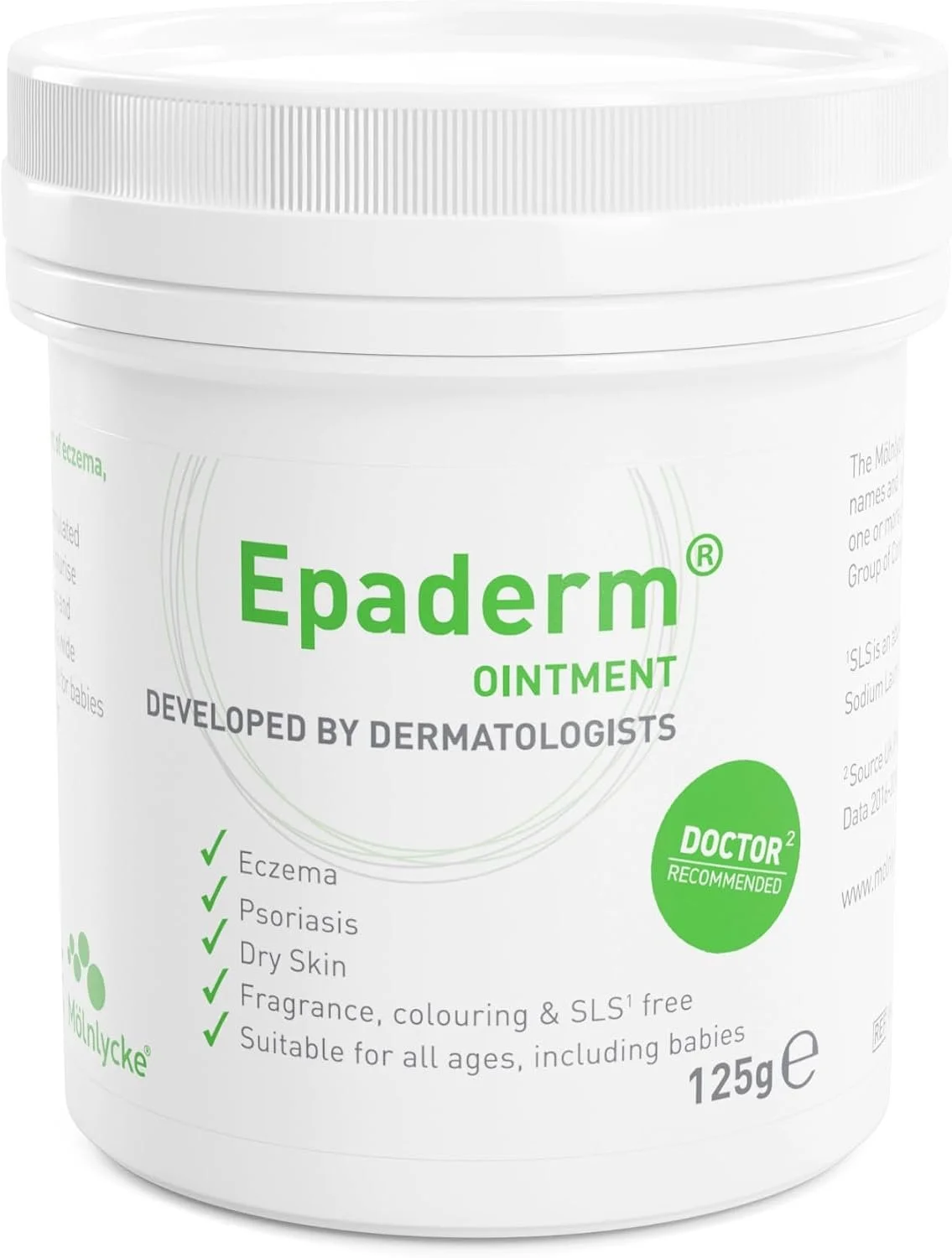
Epaderm Ointment
a paraffin-based emollient ointment providing maximum occlusive barrier protection for significant eczema flares. As covered in the practical management section, proactively increasing emollient frequency around anticipated hormonal flare windows is more effective than reactive application. Epaderm's ointment formulation provides stronger barrier occlusion than cream formulations — appropriate for the acute barrier deficit that premenstrual oestrogen drops and perimenopausal fluctuations produce. Apply generously to affected areas within two to three minutes of bathing. Available in multiple sizes including prescription quantities for significant eczema.
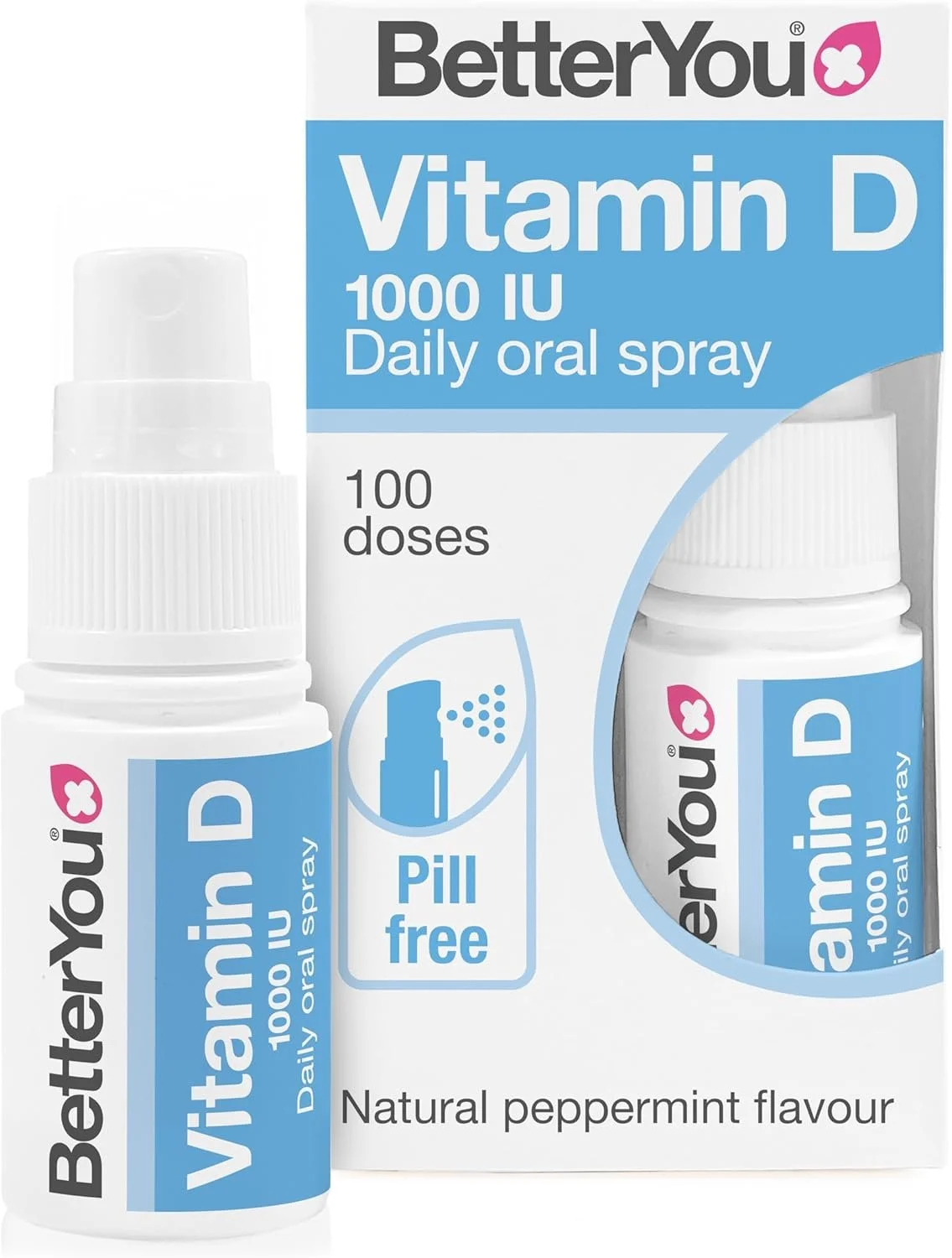
BetterYou DLux 1000 Vitamin D Oral Spray
providing 1,000 IU vitamin D3 daily through oral mucosa absorption. As covered above, vitamin D upregulates filaggrin expression through VDR-mediated keratinocyte transcription independently of oestrogen — providing barrier support through a complementary pathway that remains active regardless of hormonal status. For people with hormonally-driven eczema, vitamin D supplementation addresses the filaggrin dimension through a pathway that doesn't fluctuate with the menstrual cycle, perimenopause, or postpartum hormonal reversal. The oral spray format has higher absorption reliability than capsules for people with compromised gut absorption.
Supplement Support for Eczema-Prone Skin
The nutritional dimensions of eczema management — vitamin D, zinc, omega-3, magnesium — interact with the hormonal pathways described above in specific ways. Vitamin D upregulates filaggrin expression independently of oestrogen — addressing the barrier deficit through a complementary pathway. Magnesium supports HPA axis cortisol regulation — reducing the cortisol-mediated Th2 amplification that the premenstrual hormonal environment promotes. Zinc's barrier repair and immune regulation supports the barrier deficits that hormonal fluctuations worsen.
Drought's Skin Support Formulaprovides vitamin D, zinc, magnesium, vitamin C, and 10 other nutrients — addressing the internal nutritional foundations that support barrier function and immune regulation across the hormonal fluctuations that drive eczema in many people. Made in the UK, suitable for vegetarians, designed for consistent long-term daily use.
FAQs: Hormones and eczema
Can hormones cause eczema?
Hormones don't cause eczema — atopic eczema has a genetic basis in filaggrin loss-of-function mutations and Th2 immune dysregulation that hormones modulate but don't create. What hormones do is regulate the severity and pattern of eczema in people who have the underlying predisposition. Oestrogen's regulation of filaggrin expression and ceramide synthesis means that periods of low oestrogen — premenstrual, perimenopausal, postpartum — consistently worsen barrier function and inflammatory activity in people with atopic eczema. The eczema exists independently of hormones; its severity is significantly hormone-dependent.
Why does eczema get worse before my period?
The premenstrual oestrogen drop is the primary mechanism. In the days immediately before menstruation, oestrogen falls sharply — reducing filaggrin expression in keratinocytes and ceramide synthesis in the stratum corneum simultaneously. This directly worsens the barrier deficit central to eczema. Progesterone's Th2-promoting effects during the luteal phase compound this. And cortisol variability through HPA axis changes in the late luteal phase adds a third converging mechanism. All three operate simultaneously in the week before menstruation — explaining why this window produces the most consistent and most significant hormonal eczema flares.
Does the contraceptive pill help or worsen eczema?
Both are possible depending on the formulation and the individual's hormonal pattern. Combined oral contraceptives suppress the natural menstrual cycle, eliminating the premenstrual oestrogen drop that drives cyclical eczema flares — potentially improving premenstrual eczema. The specific progestogen matters: anti-androgenic or neutral progestogens (drospirenone, desogestrel) are less likely to worsen skin than androgenic progestogens (levonorgestrel, norethisterone). Progestogen-only pills remove oestrogen entirely and may worsen oestrogen-dependent eczema protection. If eczema meaningfully changed after starting or stopping a contraceptive, discussing the pattern with a GP may lead to a formulation change that produces a different skin outcome.
Can perimenopause cause eczema?
Yes — new-onset eczema in perimenopause is a documented and recognised pattern, not simply "ageing skin." The erratic oestrogen fluctuation of perimenopause reduces filaggrin expression and ceramide synthesis during low-oestrogen phases while potentially driving Th2 inflammation during high-oestrogen phases. For people with pre-existing atopic eczema, perimenopause is frequently a period of significant worsening. Discussing the temporal correlation with other perimenopausal symptoms with a GP opens the conversation about HRT, which may provide skin benefit alongside other menopausal symptom management.
Does HRT help eczema?
Some published evidence shows that oestrogen — topical and systemic — improves skin hydration, barrier function, and dryness in post-menopausal women, consistent with oestrogen's filaggrin and ceramide regulatory mechanisms. Whether HRT specifically improves eczema severity is less clearly established in published trials. The mechanistic rationale is coherent — restoring oestrogen should restore some of the filaggrin and ceramide support that its decline reduced. This is a GP conversation rather than a self-management decision, but raising skin symptoms alongside other perimenopausal symptoms is appropriate.
Can PCOS cause eczema?
PCOS is associated with elevated eczema rates through insulin resistance and IGF-1 elevation rather than through androgens directly. Elevated IGF-1 activates mTORC1 and shifts immune activity in ways that worsen inflammatory skin conditions generally — and PCOS's chronic low-grade systemic inflammation amplifies the Th2 baseline that eczema operates from. Managing the insulin resistance dimension of PCOS — through dietary glycaemic control, exercise, and where appropriate metformin — addresses one of the most specifically relevant PCOS-eczema mechanisms.
Should I get my thyroid checked if my eczema is unexplained?
Yes — if eczema worsens without an identifiable trigger and other thyroid symptoms are present (fatigue, temperature dysregulation, weight changes, hair loss), GP assessment of thyroid function is appropriate. Hypothyroidism impairs keratinocyte function and barrier maintenance through reduced thyroid hormone-mediated epidermal cell turnover — a specific and potentially reversible eczema driver in people with underlying thyroid disease. TSH, free T4, and thyroid antibody testing provides a complete picture. Thyroid autoimmunity is significantly more prevalent in people with atopic eczema than the general population, consistent with the shared autoimmune predisposition.
Summary
Eczema severity is significantly modulated by sex hormones through three specific pathways — oestrogen's regulation of filaggrin expression, ceramide synthesis, and Th2 immune activity. The most common hormonal eczema patterns are premenstrual worsening through the luteal phase oestrogen drop, perimenopausal worsening through erratic oestrogen fluctuation, postpartum worsening through rapid hormonal reversal, and contraceptive pill-related changes depending on formulation. PCOS contributes through insulin resistance and IGF-1 elevation rather than androgens directly. Thyroid dysfunction affects barrier maintenance through thyroid hormone-mediated keratinocyte regulation. Practical management combines barrier strengthening at anticipated hormonal flare windows, cortisol management for the premenstrual HPA axis component, and GP discussion for hormonal investigation and contraceptive or HRT review.
Written by the Drought Skin team — specialists in natural support for psoriasis, eczema and acne
Disclaimer: This article contains affiliate links. We earn a very small commission from each purchase made through these links. There is no additional cost to you. All products featured have been specifically selected as products we personally use and love. For further information, please see our disclaimer page.
