
Vibration Plates for Psoriasis: What They Can Do, What They Can't & the Koebner Consideration
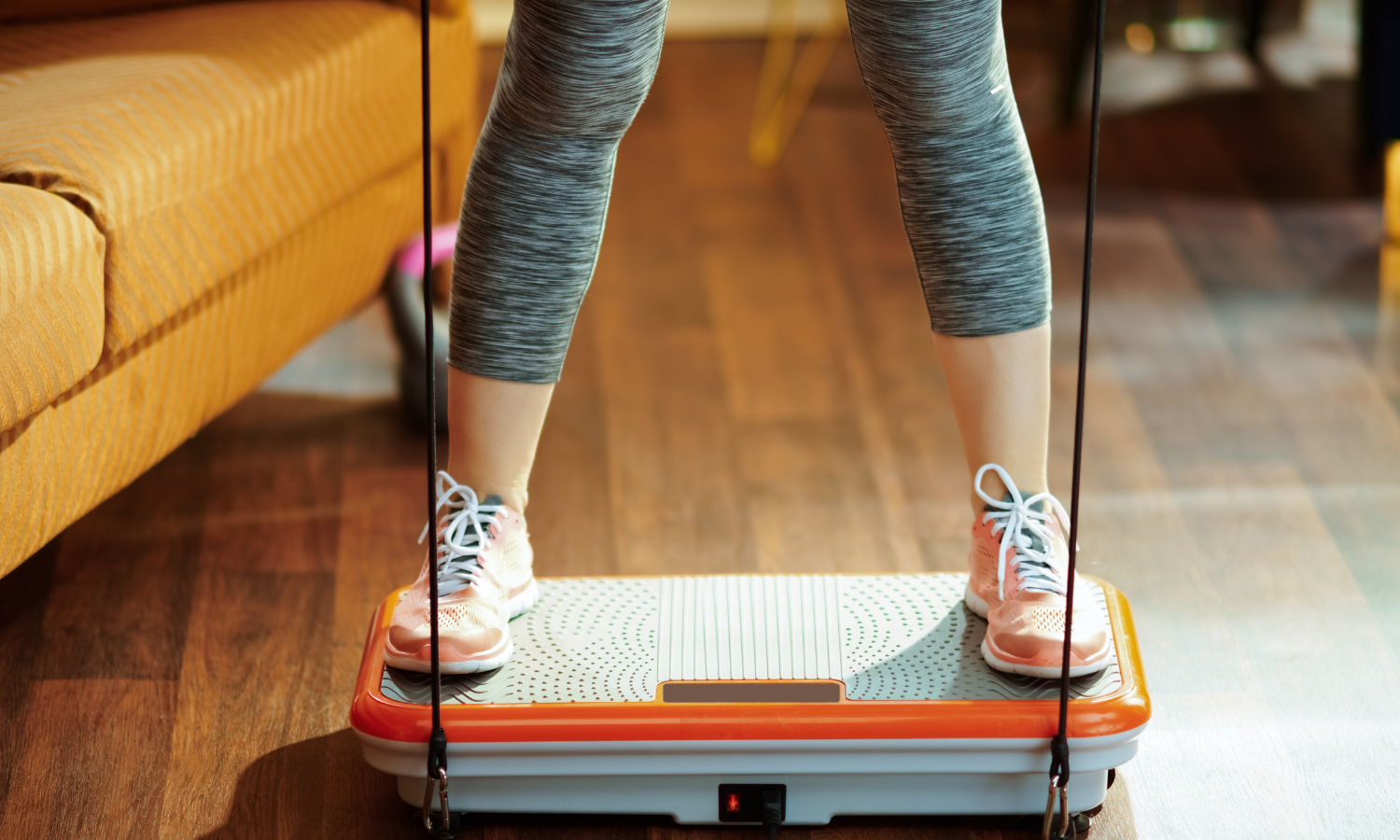
Vibration plates have moved from gym floors into living rooms, and with them has come a growing body of claims about their health benefits — including, increasingly, claims about skin conditions like psoriasis. The question of whether they actually help is worth answering honestly, because the truth sits somewhere between "no evidence at all" and "proven treatment."
Here is a clear account of what vibration plates do, what the research shows, where the psoriasis connection is plausible, and where it isn't.
Can Vibration Plates Help Psoriasis? What the Science Suggests
Living with psoriasis or eczema can be frustrating — especially when flare‑ups don’t respond to the usual creams or medications. Recently, vibration plates (also called whole‑body vibration machines) have been getting attention for their potential benefits on circulation, inflammation, and skin health. But can they really make a difference for psoriasis?
Let’s unpack what we know so far.
What Are Vibration Plates and How Do They Work?
Vibration plates (also known as whole-body vibration machines) are devices designed to create rapid vibrations that stimulate muscle contractions.
They’re commonly used for:
Low-impact exercise
Circulation support
Muscle recovery
These effects are why some people are now exploring vibration plate benefits for psoriasis — even though research in this area is still limited.
Most vibration plates operate at frequencies between 20 and 50 vibrations per second (Hz). These vibrations create small, rapid movements that travel through the body, stimulating muscles, joints, and connective tissues.
Types of Vibration Plates
There are several types of vibration plates available:
Oscillating (pivotal) plates – move side to side like a see-saw, commonly used in home fitness devices.
Vertical vibration plates – move up and down in a linear motion.
Tri-planar vibration plates – combine multiple directions of vibration for more advanced training.
Each type works on the same basic principle: stimulating muscle activity through controlled vibration.
What Happens in the Body During Whole-Body Vibration
When you stand on a vibration plate, several physiological responses occur:
Muscle activation: rapid contractions engage muscles even during static positions.
Improved circulation: vibrations may increase blood flow throughout the body.
Joint stimulation: small movements activate stabilizing muscles around joints.
Neuromuscular engagement: the nervous system constantly adjusts to maintain balance.
Because vibration plates can activate muscles with minimal movement, they are often used as a low-impact form of exercise, particularly by people looking for gentle ways to support strength, mobility, and circulation.
What whole-body vibration actually does
A vibration plate (whole-body vibration, or WBV) generates rapid oscillations — typically between 20 and 50Hz — that travel through the body while you stand, sit, or perform exercises on the platform. The vibrations cause involuntary muscle contractions as the body works to maintain balance and stability.
The physiological effects that have been studied include improved muscle activation, enhanced circulation, stimulation of lymphatic flow (which relies on muscle movement to propel fluid), and — the most relevant for psoriasis — some evidence of reduced systemic inflammation with regular use.
Several studies have measured inflammatory markers including CRP (C-reactive protein) and IL-6 before and after WBV programmes and found modest reductions. Cortisol levels have also been observed to reduce following WBV sessions, which is relevant given stress and elevated cortisol as documented psoriasis triggers. These findings are from general population studies and exercise research — not psoriasis-specific trials.
The psoriasis connection: what's plausible and what isn't
There are no published clinical trials of vibration plates specifically for psoriasis. This is the most important fact to state upfront. Everything that follows is inference from related evidence — plausible, but unproven in this specific context.
Where the connection is plausible:
Regular physical activity reduces systemic inflammatory markers and is associated with reduced psoriasis severity in observational data — the Mediterranean lifestyle research that supports anti-inflammatory diet also supports regular moderate exercise. If WBV produces similar inflammatory benefits to other low-impact exercise, it may contribute to this effect. The lymphatic stimulation angle also has some grounding: the lymphatic system plays a role in immune regulation, and improved lymphatic flow may support the clearance of pro-inflammatory mediators. In psoriasis, where systemic immune dysregulation is the driver, anything that supports immune regulation through exercise has a plausible indirect benefit.
Where it is less convincing:
Psoriasis is driven by T-cell immune dysregulation and genetic predisposition — neither of which is meaningfully addressed by vibration therapy. The accelerated skin cell turnover producing plaques, the IL-17 and TNF-α signalling at the centre of disease activity, the skin barrier disruption — none of these have a direct mechanism of improvement from WBV. Vibration plates won't clear plaques, reduce plaque thickness, or prevent flares in the way that topical or systemic treatments can.
Potential Benefits of Vibration Plates for Psoriasis
While there’s no direct cure or treatment link, some proposed benefits include:
Improved Circulation
Good circulation plays an important role in maintaining healthy skin. Blood flow delivers oxygen and nutrients to skin cells while helping remove metabolic waste products from tissues.
When standing or exercising on a vibration plate, the rapid oscillations cause muscles to contract repeatedly. These contractions may help stimulate blood flow throughout the body, which could support general skin health and recovery. While this does not treat psoriasis directly, improved circulation can contribute to overall wellness.
Lymphatic System Support
The lymphatic system plays a role in immune function and waste removal within the body. Unlike the circulatory system, the lymphatic system relies heavily on muscle movement to keep fluid moving.
Because vibration plates create rapid muscle contractions, they may help encourage lymphatic circulation. Some users report feeling less fluid retention or improved recovery after vibration exercise, though scientific evidence in this area is still developing.
Low-Impact Movement
Regular physical activity is often recommended for people managing chronic inflammatory conditions. However, some individuals with psoriasis — particularly those who also experience joint discomfort or fatigue — may prefer lower-impact forms of movement.
Vibration plates allow muscles to engage even during simple positions such as standing or holding a light squat, which means users can activate muscles without high-impact workouts. This may make vibration exercise a convenient option for people looking to incorporate gentle movement into their routine.
Potential Support for Inflammation Management
Psoriasis is closely linked to chronic inflammation within the immune system. Some research on whole-body vibration exercise suggests it may influence inflammatory markers in the body, although studies specifically focused on psoriasis remain limited.
Regular physical activity in general is known to help regulate inflammatory processes. Using a vibration plate as part of a broader exercise routine may therefore contribute to overall inflammation management and metabolic health.
Why psoriatic arthritis makes this more relevant for some people
One specific and legitimate reason people with psoriasis explore vibration plates is psoriatic arthritis — the joint involvement that affects around 20–30% of people with psoriasis.
Psoriatic arthritis causes joint pain, stiffness, and in some cases significant mobility limitations that make conventional exercise difficult. WBV offers muscle activation and circulation benefits with minimal joint loading — it requires less range of motion than most exercise forms and can be used in simple standing or supported positions. For people whose joint symptoms limit conventional exercise, WBV represents a genuinely low-impact alternative that may help maintain muscle function and circulation.
This is the most specific and legitimate use case for vibration plates in the psoriasis population — not for skin symptoms directly, but as an exercise option for those whose joint involvement makes other forms difficult.
Stress Reduction and Relaxation
Stress is a well-known trigger for psoriasis flare-ups. Activities that promote relaxation and physical wellbeing may help support better stress management.
Short vibration plate sessions can feel similar to a gentle massage for some users, which may encourage relaxation and muscle release. When combined with breathing exercises or light stretching, vibration training can become part of a simple stress-relief routine.
Products worth considering
All three are well-reviewed UK-available vibration plates at different price points. (Affiliate links — we may earn a small commission at no extra cost to you.)
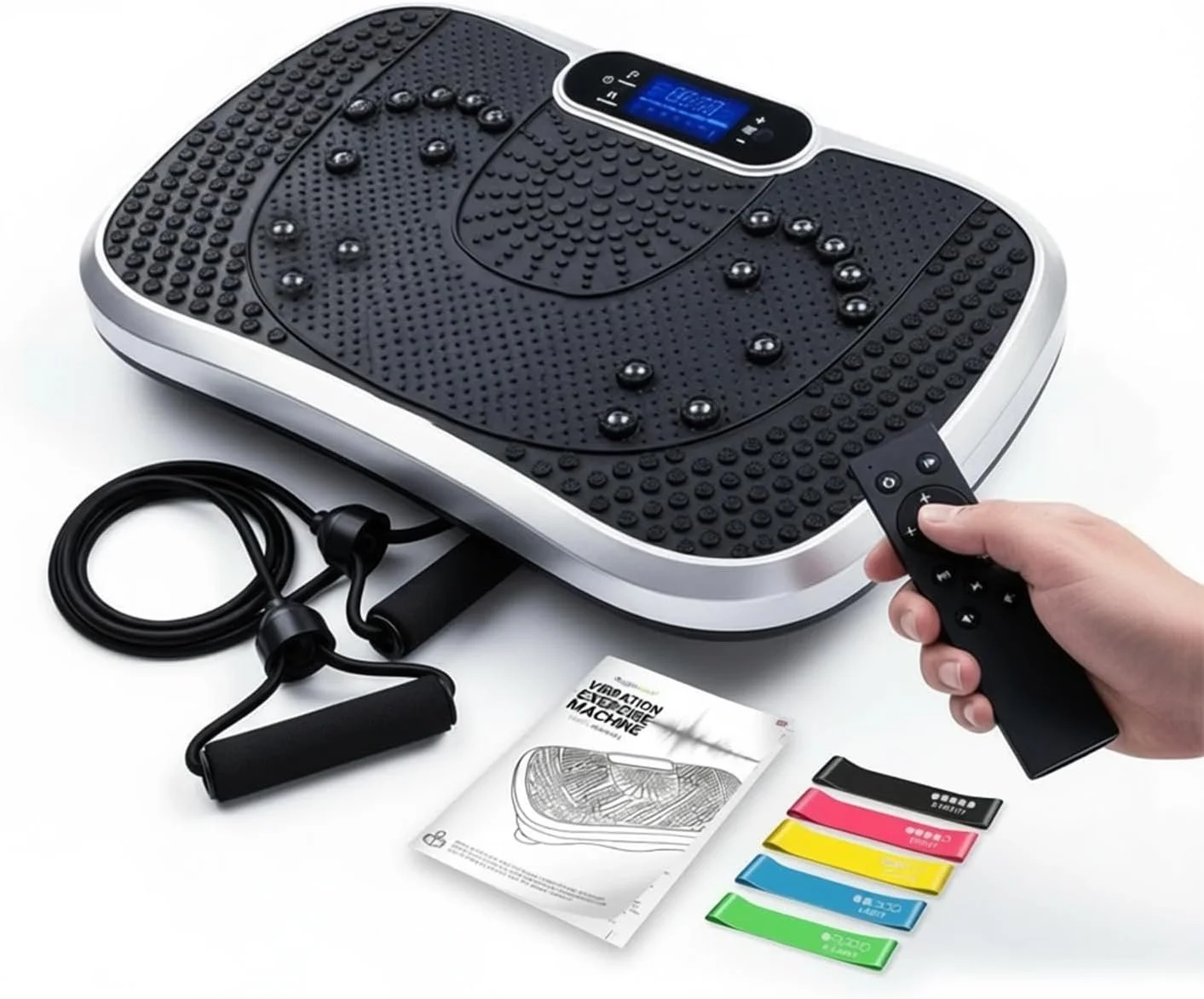
WeightWorld Vibration Plate Exercise Machine
a solid mid-range oscillating plate with adjustable speed settings. A reliable starting point for anyone new to WBV who wants to use it for low-impact exercise and circulation support alongside psoriasis management.
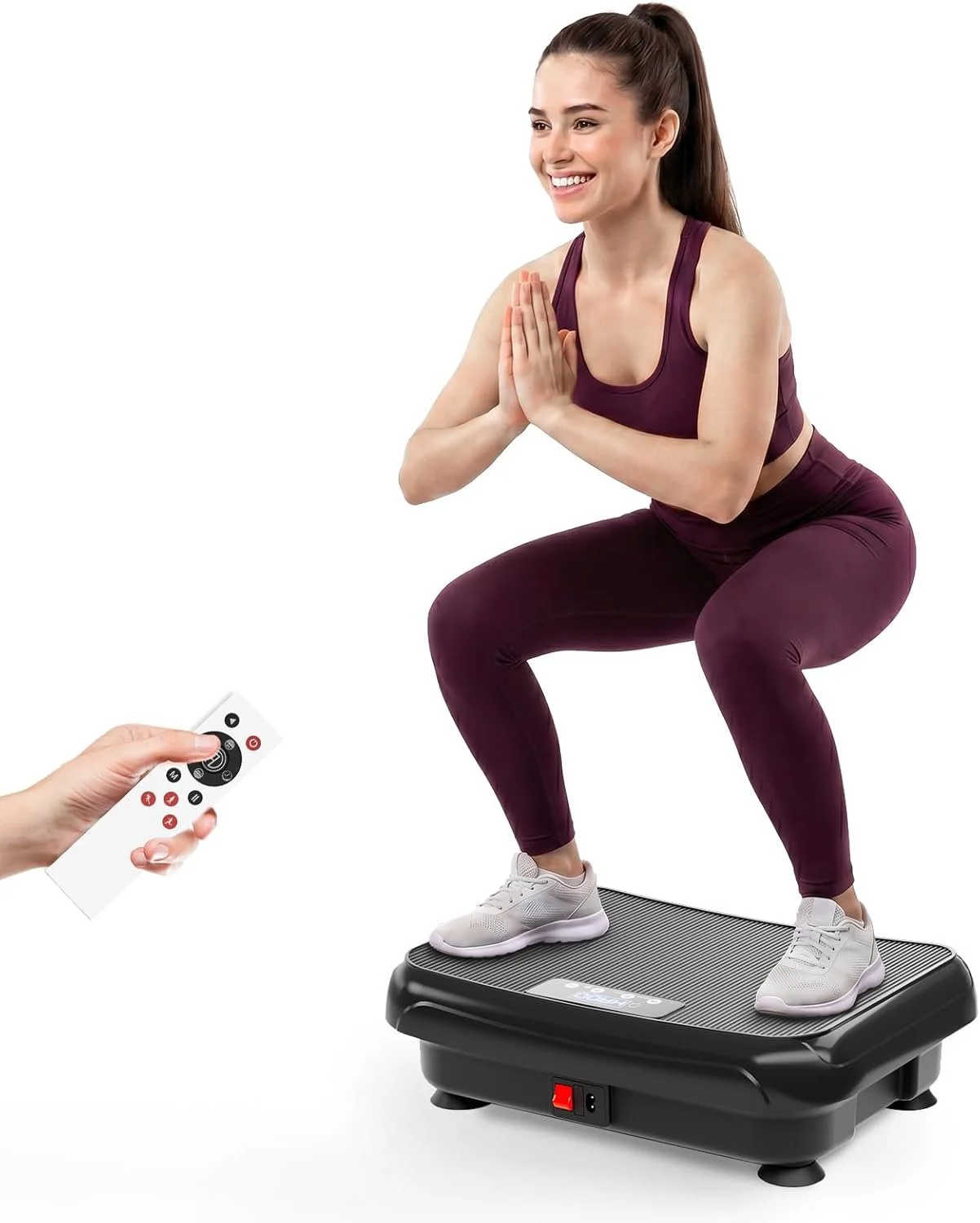
Vibration Plate Exercise Machine: TISSCARE Vibrating Plates
99 speed levels and preset programmes in a compact format. The range of frequencies makes it flexible for starting at low intensity during sensitive periods and building up gradually.
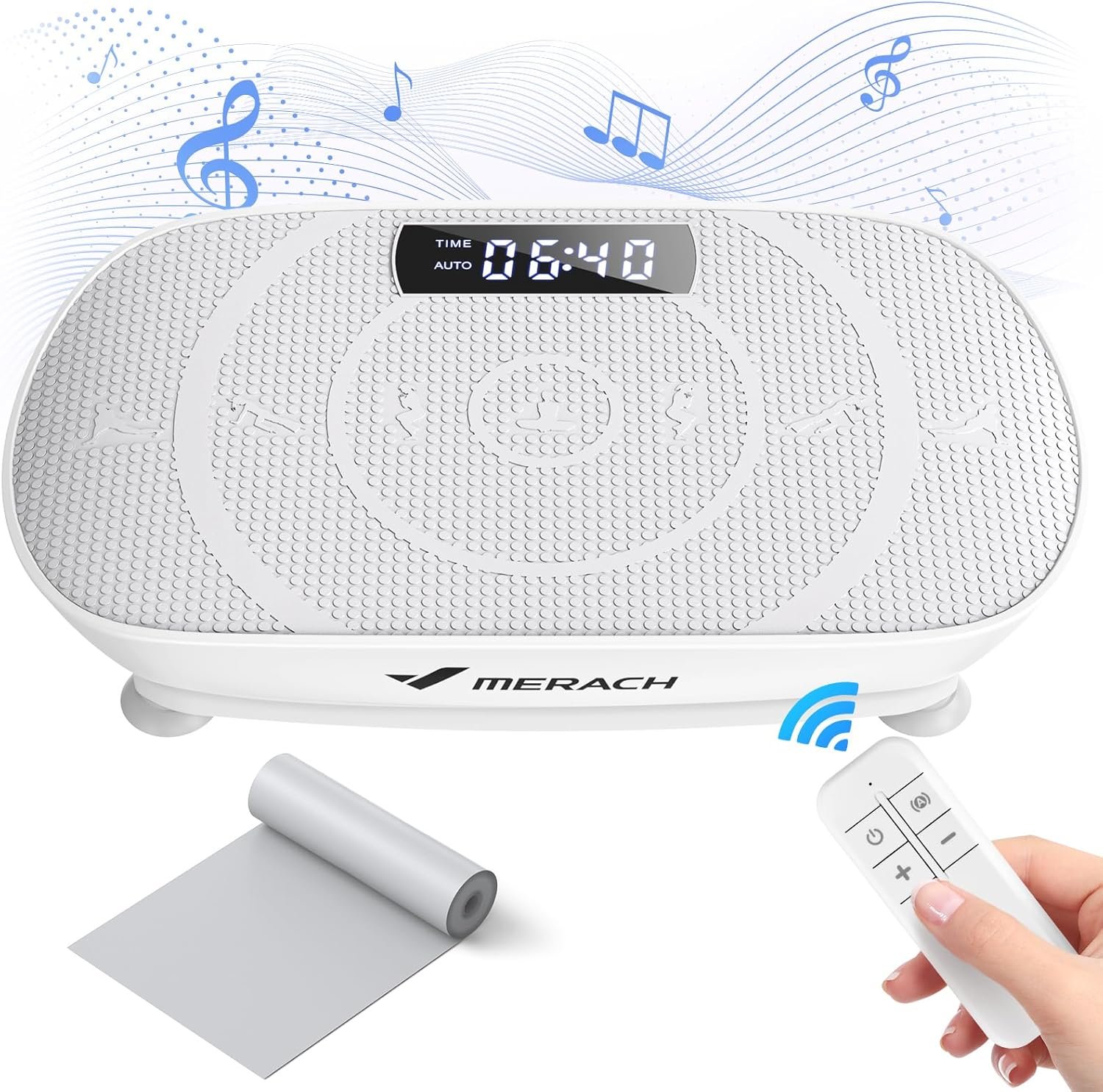
MERACH Vibration Plate
higher-frequency option with built-in entertainment features. Better suited to people who want to use WBV as a more active workout component rather than purely for circulation and lymphatic support.
The Koebner consideration
One practical caution deserves mention. The Koebner phenomenon — covered in depth in the psoriasis skincare and types of psoriasis articles in this series — describes new psoriasis plaques appearing at sites of skin trauma or friction.
High-frequency vibration on active psoriasis plaques — particularly thicker plaques on the legs or feet that are in direct contact with the platform — could theoretically contribute to mechanical irritation. This is not a reason to avoid vibration plates entirely, but it is a reason to: avoid standing barefoot on the platform if plantar plaques are present; wear comfortable, non-compressive footwear; avoid very high intensity or prolonged sessions during active flares; and start with lower frequency settings if your skin is currently inflamed.
Are Vibration Plates Worth It for Psoriasis?
Vibration plates may support general wellness, but they are not a targeted psoriasis solution.
They might be useful as part of:
A broader fitness routine
Circulation support habits
However, relying on them alone for psoriasis management is unlikely to address the root cause.
How to use a vibration plate if you have psoriasis
Start with 10–15 minutes at a lower frequency setting, two to three times per week. Wear comfortable footwear, particularly if lower leg or foot plaques are present. Avoid sessions during severe active flares when skin is very inflamed or broken. Moisturise well after sessions — any activity that generates heat or mild perspiration warrants emollient reapplication.
If you have psoriatic arthritis, discuss any new exercise approach with your rheumatologist, particularly if joint disease is severe or you have spinal involvement (spondylitis pattern), where certain vibration frequencies and positions may need modification.
Supporting your skin from within
Vibration plates address the physical activity and circulation dimension of psoriasis management. The internal drivers — immune dysregulation, systemic inflammation, skin barrier nutrition — require a different approach.
Drought's Skin Support Formula provides 14 nutrients including zinc, vitamin D, vitamin C, magnesium, and CoQ10 — addressing the nutritional foundations of psoriasis management that exercise alone cannot reach. Made in the UK, suitable for vegetarians, designed for consistent long-term daily use. It sits alongside lifestyle approaches like regular movement as part of a comprehensive approach, not as a replacement for any of them.
FAQ: Vibration Plates and Psoriasis
Can vibration plates cure psoriasis?
There is no direct clinical evidence for psoriasis specifically. General WBV research shows modest reductions in inflammatory markers and cortisol — both relevant to psoriasis management — but this hasn't been tested in psoriasis populations.
Are there risks for people with skin conditions?
For most people, no. The Koebner phenomenon is a consideration — high-frequency vibration friction on active plaques could theoretically irritate them. Wear footwear, start at low intensity, and avoid sessions during severe flares.
Are vibration plates good for psoriatic arthritis?
They may be a useful low-impact exercise option for people whose joint symptoms limit conventional exercise. Discuss with your rheumatologist if joint disease is severe.
How often should I use a vibration plate?
10–15 minutes, two to three times per week is a reasonable starting point. Increase duration and frequency gradually based on how your skin and joints respond.
Can I combine vibration plates with psoriasis supplements?
Yes — they address different aspects of the condition. WBV supports circulation and physical activity; targeted nutritional supplements address the internal immune and barrier dimensions that exercise cannot reach.
Summary
Vibration plates have no direct clinical evidence for psoriasis, and their benefit for skin symptoms specifically is indirect at best — working through the general anti-inflammatory effects of regular physical activity, potential lymphatic support, and stress and cortisol modulation. Where they have the most specific relevance is for people with psoriatic arthritis looking for a low-impact exercise option that doesn't place high demands on inflamed joints. The Koebner consideration is worth noting for anyone with active plaques in contact with the platform. As a complementary lifestyle tool within a broader approach to psoriasis management, they are reasonable — as a standalone treatment, they are not.
Vibration plate exercise supports circulation and stress reduction — two relevant psoriasis dimensions. The nutritional foundations — vitamin D, zinc, omega-3 — need targeted supplementation alongside it. Drought's Skin Support Formula provides all three alongside 11 other nutrients, made in the UK and designed for daily long-term use.
Supporting your skin from within with a more targeted approach can make a bigger difference.
Start your skin support journey →
Written by the Drought Skin team — specialists in natural support for psoriasis, eczema and acne
Disclaimer: This article contains affiliate links. We earn a very small commission from each purchase made through these links. There is no additional cost to you. All products featured have been specifically selected as products we personally use and love. For further information, please see our disclaimer page.
-
Can Yoga Help Eczema or Psoriasis? What the Evidence Says
How to Exercise with Eczema or Psoriasis
Types of Psoriasis Explained: Symptoms, Appearance & How They Differ
Managing Psoriasis & Eczema from Stress: Tips and Strategies
Psoriasis Skincare Routine: What Actually Helps, What to Avoid & Common Mistakes
