
Sudocrem for Eczema: Helpful or Harmful?
Sudocrem is one of the most-reached-for products when eczema flares — particularly for parents managing it in children, and for adults dealing with localised patches who want something familiar from the medicine cabinet. It's not an unreasonable instinct. Sudocrem does contain ingredients relevant to irritated, compromised skin. But whether it helps or makes things worse depends almost entirely on context — the type of eczema, the state of the skin, and the area being treated.
Here's a specific, honest account of when Sudocrem is appropriate for eczema and when it isn't.
What Is Sudocrem?
Sudocrem is a zinc oxide‑based barrier cream originally designed for nappy rash. It forms a protective layer over the skin, reducing irritation and helping small wounds heal.
Its key ingredients include:
Zinc oxide – mildly antiseptic and anti‑inflammatory
Lanolin – adds a protective, moisturising layer
Benzyl alcohol – acts as a local anaesthetic and antibacterial
Benzyl benzoate & benzyl cinnamate – support healing in minor skin irritations
These ingredients make Sudocrem versatile, but not universally suitable — especially for very dry or sensitive skin.
Is Sudocrem good for eczema?
Sudocrem can help soothe irritated skin and protect against external triggers, but it’s not a complete or long-term solution for eczema.
Sudocrem contains ingredients like zinc oxide and lanolin, which help protect the skin and retain moisture, making it useful for mild irritation.
What's in Sudocrem and what each ingredient does for eczema skin
The same ingredient breakdown applies here as for psoriasis, but with eczema-specific relevance:
Zinc oxide (15.25%) is the most useful component for eczema. It creates a physical barrier on the skin surface, has mild anti-inflammatory properties, and — most relevantly for eczema — has antimicrobial activity against Staphylococcus aureus. S. aureus colonisation is one of the most significant perpetuating factors in atopic eczema: the bacterium produces toxins that damage the skin barrier, trigger immune responses, and sustain the itch-inflammation cycle. A zinc oxide barrier that reduces S. aureus contact with broken eczema skin provides genuine, mechanistically coherent benefit.
Lanolin (4%) is an emollient that softens and moisturises dry skin. Useful in principle, but lanolin is one of the most common contact allergens in topical preparations — particularly relevant in people with eczema who often have heightened skin reactivity and may have been sensitised by multiple topical products over time. If Sudocrem consistently irritates rather than soothes eczema skin, lanolin sensitivity is a likely explanation.
Benzyl alcohol (0.39%) provides mild antiseptic and local anaesthetic effects. At this concentration it is generally well-tolerated, but on very inflamed or broken eczema skin it can sting on contact — a common complaint.
Benzyl benzoate (1.01%) and benzyl cinnamate (0.15%) are emollient and healing compounds from benzoin resin. Benzyl benzoate is an occasional contact sensitiser, particularly relevant for people with reactions to balsam of Peru or fragrance mix.
Recommended Products
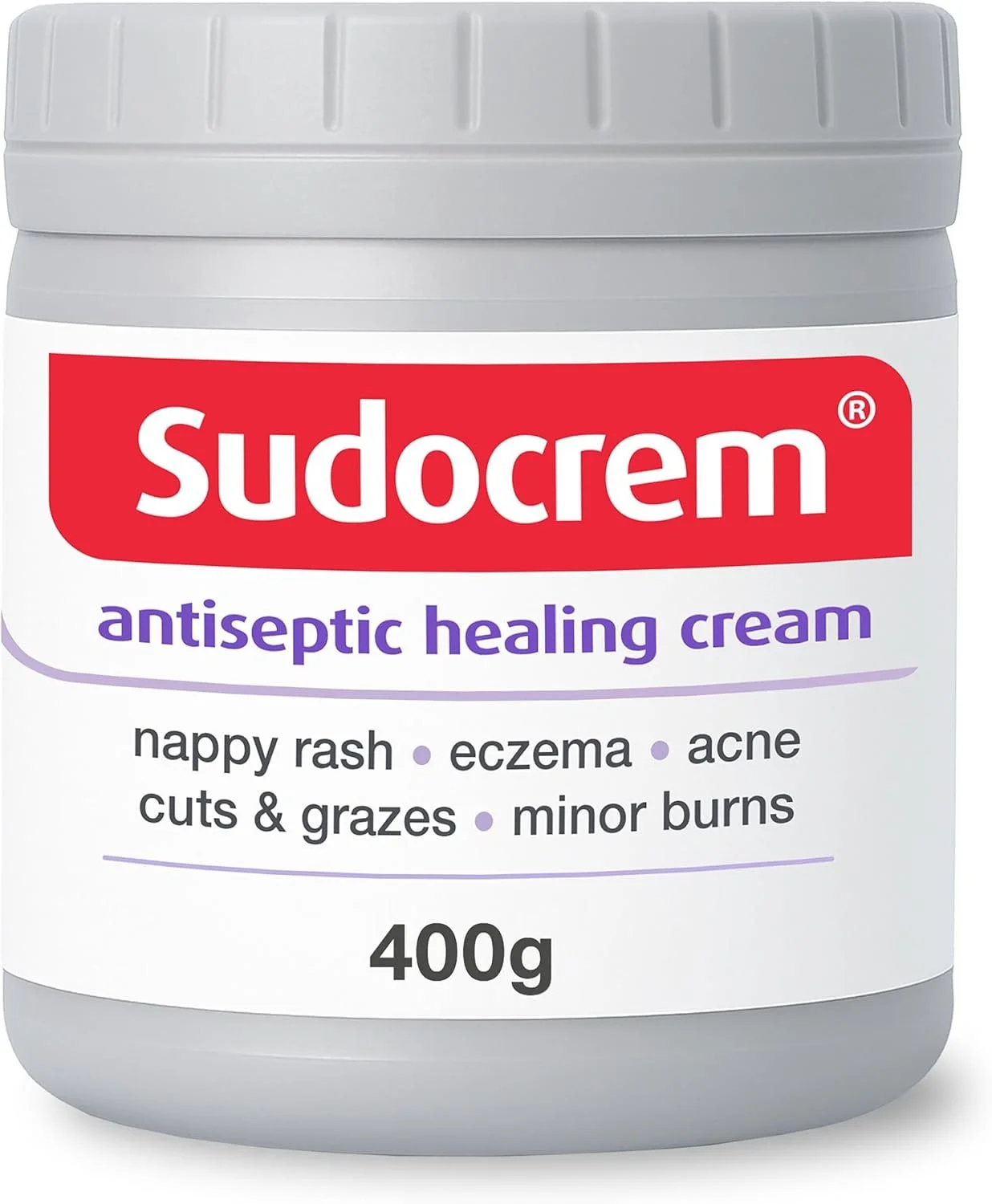
Sudocrem Antiseptic Healing Cream
for the targeted, short-term application covered above. A small amount applied to weeping, crusting, or S. aureus-susceptible eczema patches as an adjunct to emollient — not as a replacement for it. The 400g size provides good value for a product used sparingly rather than generously.
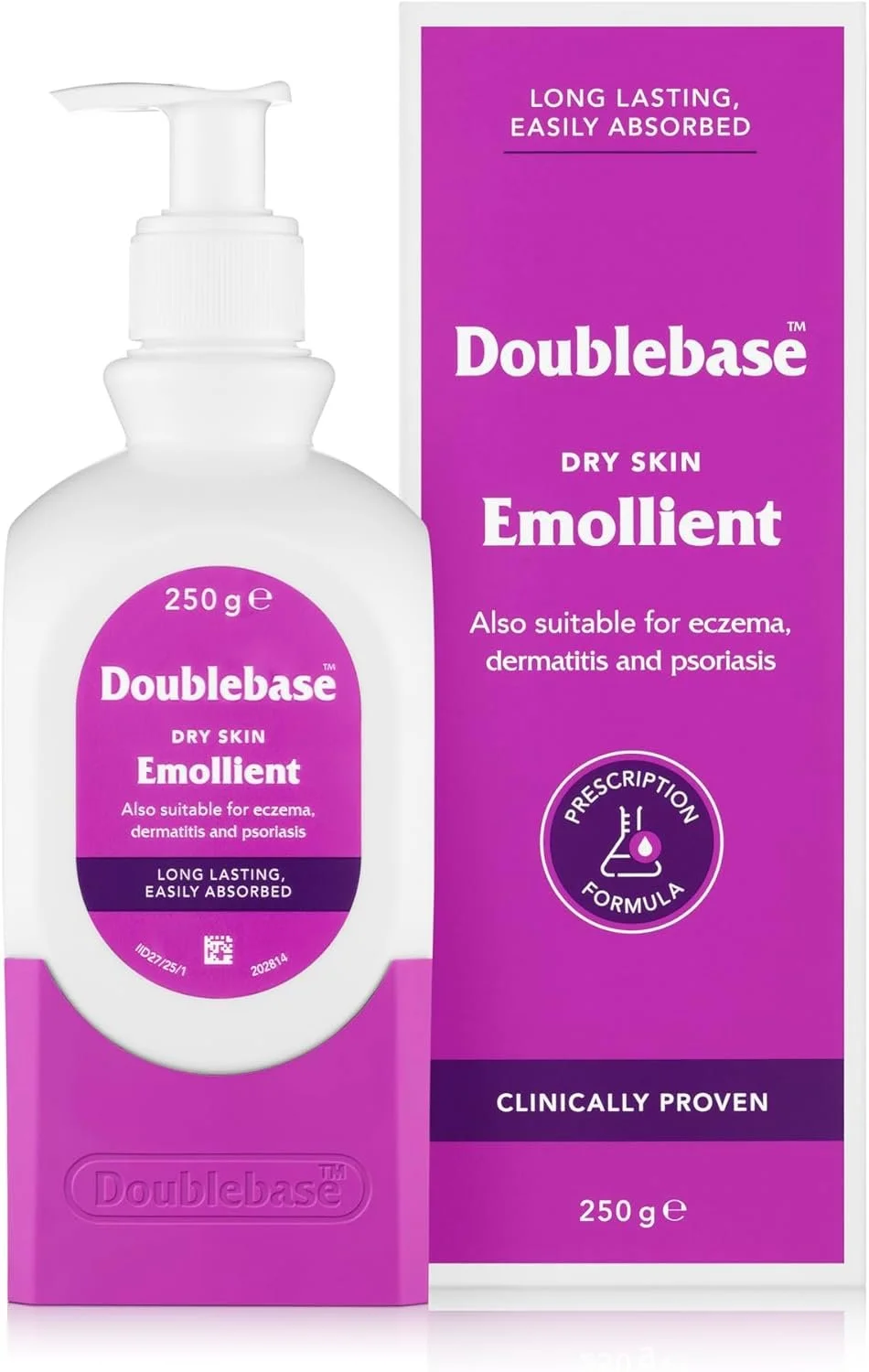
Doublebase Dry Skin Emollient
the fragrance-free, paraffin-based emollient that should form the daily foundation of eczema management that Sudocrem is not designed to provide. Apply generously and consistently as the primary moisturiser; use Sudocrem only as a targeted addition where its zinc oxide antimicrobial properties are specifically needed.

Where Sudocrem genuinely helps eczema
Cracked or broken skin from scratching. When eczema skin has been scratched open, Sudocrem's zinc oxide barrier and antiseptic properties protect the wound from bacterial entry — specifically from S. aureus, which is the bacterium most associated with eczema skin infection. Applied thinly to small broken areas overnight, it provides genuine protective benefit.
Nappy area eczema in babies and toddlers. Sudocrem's original purpose — nappy rash — overlaps directly with the common presentation of eczema in the nappy area in young children. The combination of barrier protection, mild antiseptic, and zinc oxide is well-suited here, and the nappy area's warm, moist environment makes bacterial protection particularly relevant.
Mild, localised patches between flares. For small dry patches that are irritated but not actively inflamed, Sudocrem provides a degree of protection and comfort. Applied thinly it is less likely to cause the occlusion-heat problem described below.
Skin fold areas. Similar to inverse psoriasis, eczema in skin folds (inside elbows, behind knees, under the breasts) can benefit from Sudocrem's protective barrier and antiseptic properties, particularly where friction and moisture make bacterial colonisation more likely.
Where Sudocrem makes eczema worse
Active, widely inflamed eczema. Sudocrem's thick, occlusive texture traps heat against already-inflamed skin. Atopic eczema is driven in part by inflammatory heat and histamine release — an occlusive cream that prevents heat dissipation can worsen both. This is the most common reason Sudocrem worsens eczema rather than helping.
Facial eczema. The face is an extremely common eczema site, particularly in children. Sudocrem's thickness, combined with its lanolin and benzyl compound content, makes it poorly suited to facial eczema — especially around the eyes and mouth where the skin is thinnest and most reactive.
Heavily weeping or infected eczema. When eczema is weeping significantly or shows signs of bacterial infection (increased warmth, crusting, honey-coloured discharge), Sudocrem is not a substitute for appropriate medical treatment. This presentation warrants a GP assessment for prescription topical or oral antibiotics.
As a daily moisturiser. Sudocrem is not formulated to replace emollient moisturisers. It doesn't provide the ceramide replenishment, humectant hydration, or sustained barrier repair that eczema skin needs as a daily foundation. Using it as a substitute for a proper emollient will leave eczema skin under-moisturised.
What works better for eczema
For the roles Sudocrem is most commonly used in, there are better-suited alternatives:
For daily moisturising and barrier repair: fragrance-free ceramide creams (CeraVe), simple emollient ointments (Cetraben, Epaderm, Hydromol), or petroleum jelly provide sustained barrier support with a simpler, lower-risk ingredient profile. These are the foundation of eczema management — not Sudocrem.
For antiseptic protection on cracked skin: Sudocrem competes reasonably well here, but petroleum jelly (white soft paraffin) is an equally effective barrier with virtually no allergen risk. For more significant infection risk, a prescription topical antibiotic is more appropriate.
For itch relief overnight: a thick, fragrance-free emollient applied generously after bathing and sealed with a light layer of petroleum jelly on particularly dry areas is more effective for sustained overnight hydration than Sudocrem.
The lanolin flag — worth knowing
If you've been applying Sudocrem to eczema skin and found it consistently stings, worsens redness, or seems to aggravate rather than soothe — and you've attributed this to the eczema itself — it may be a lanolin contact reaction rather than eczema progression. People who have used many different topical products over years of eczema management are at elevated risk of lanolin sensitisation. Switching to a lanolin-free emollient for a few weeks and observing whether the irritation resolves is a simple way to test this.
Sudocrem for eczema in babies: specific considerations
Parents frequently apply Sudocrem to baby and toddler eczema — and the safety profile is generally reasonable for mild use. A few specific points:
On a baby's face, use cautiously and sparingly — infant facial skin is thin, more permeable, and more likely to react to the benzyl compounds. If facial eczema is significant or persistent, a paediatric emollient prescribed by a GP (such as Aveeno, Diprobase, or Hydromol) is more appropriate.
On nappy-area eczema, Sudocrem is one of the more appropriate uses — it addresses both the eczema barrier dysfunction and the nappy environment's specific bacterial and moisture challenges simultaneously.
For any significant or widespread eczema in infants, a GP or health visitor should be the first point of contact. Sudocrem is a supportive product, not a treatment for diagnosed atopic eczema in children.
Skin support for eczema-prone skin
Topical products like Sudocrem address the skin surface. The immune dysregulation and barrier dysfunction driving eczema require internal support that no cream can provide — including zinc for immune regulation and barrier function, vitamin D for immune modulation, and biotin for normal skin cell metabolism.
Drought's Skin Support Formula provides 14 nutrients selected for their roles in skin health — addressing the internal nutritional foundations that even the best topical routine cannot substitute for. Made in the UK, suitable for vegetarians, designed for consistent long-term daily use.
FAQs: Sudocrem and eczema
Does Sudocrem help eczema?
In specific situations — yes. Sudocrem's zinc oxide creates a physical barrier with antimicrobial activity against S. aureus, the bacterium most consistently associated with eczema severity amplification. On cracked or broken eczema skin, nappy-area eczema in babies, and mild localised patches, this barrier and antiseptic combination provides genuine benefit. On actively inflamed eczema, it generally makes things worse through heat occlusion.
Can Sudocrem make eczema worse?
Yes — its thick, occlusive texture traps heat against inflamed skin, worsening the inflammatory cycle that eczema is already driving. Lanolin sensitivity causes contact reactions in a subset of people with eczema who have been sensitised through prolonged exposure to multiple topical products. Benzyl alcohol stings on broken skin. If Sudocrem consistently irritates rather than soothes, lanolin contact sensitisation is the most likely explanation.
Is Sudocrem safe for baby eczema?
Generally yes for mild, localised use — particularly in the nappy area where its zinc oxide and antiseptic properties address both eczema barrier dysfunction and the bacterial environment simultaneously. For facial eczema, use cautiously and sparingly — infant facial skin is more permeable and more reactive to the benzyl compounds. For significant, widespread, or persistent eczema in infants, a GP or health visitor is the appropriate first point of contact rather than Sudocrem.
How often should I use Sudocrem for eczema?
Situationally rather than daily — thin application to specific cracked or at-risk areas as needed, not as a whole-body or all-over daily moisturiser. A proper fragrance-free emollient is the daily foundation; Sudocrem is a targeted adjunct for its zinc oxide antimicrobial properties where specifically relevant.
Why does Sudocrem sting on my eczema?
Benzyl alcohol causes a stinging sensation on broken or inflamed eczema skin. If the product consistently irritates rather than soothes despite careful application, lanolin contact sensitivity is also worth investigating — switch to a lanolin-free emollient for a few weeks and observe whether the irritation resolves.
Is Sudocrem good for dry eczema?
For mild dry patches between flares — yes, applied thinly. For actively inflamed dry eczema — no, the occlusive texture traps heat and worsens inflammation. For daily dryness management — no, Sudocrem doesn't provide the ceramide replenishment, humectant hydration, or sustained barrier repair that eczema skin needs as a daily foundation.
What works better than Sudocrem for eczema?
For daily moisturising and barrier repair: CeraVe Moisturising Cream, Cetraben, Epaderm, or Doublebase — all fragrance-free, ceramide or emollient-rich, appropriate for daily all-over use. For barrier protection on cracked specific areas: petroleum jelly provides equivalent barrier function with a simpler, lower-allergen ingredient profile. For significant infection risk on broken skin: a GP assessment for prescription topical antibiotic is more appropriate than Sudocrem.
Does Sudocrem stop eczema itching?
Not directly — it doesn't contain antihistamine or anti-pruritic compounds. The benzyl alcohol provides mild local anaesthetic effect that may reduce soreness rather than itch specifically. The zinc oxide barrier reduces S. aureus contact with broken skin, which indirectly reduces the bacterial toxin-driven itch amplification that S. aureus colonisation produces in eczema. For itch specifically, a thick fragrance-free emollient applied cold from the fridge, or wet wrap therapy on particularly affected areas, provides more direct relief.
Summary
Sudocrem has a legitimate but limited role in eczema management — most useful for protecting cracked or broken skin from S. aureus colonisation, for nappy-area eczema in babies, and for mild localised patches needing short-term barrier protection. It worsens eczema when used on actively inflamed skin (occlusion trapping heat), on the face, or as a substitute for proper daily emollient moisturisation. Its lanolin content is an underappreciated sensitisation risk for people who have used many topical products. For everything beyond these narrow use cases, purpose-formulated emollients are more appropriate.
Sudocrem can be helpful for short-term relief and protection—but it’s not designed to solve eczema long-term.
If you’re stuck in a cycle of flare-ups, it may be time to go beyond surface treatments and support your skin from the inside out.
Start your skin support journey →
Written by the Drought Skin team — specialists in natural support for psoriasis, eczema and acne
Disclaimer: This article contains affiliate links. We earn a very small commission from each purchase made through these links. There is no additional cost to you. All products featured have been specifically selected as products we personally use and love. For further information, please see our disclaimer page.
-
Moisturising for Eczema: How to Do It Properly & What Actually Works
Paraffin Creams for Eczema: Benefits, Fire Risk, and the Best Alternatives
Is Sudocrem Good for Psoriasis? An Honest Look at What It Does
6 Steps to a Successful Eczema Skincare Routine
10 Common Eczema & Psoriasis Triggers You Need to Know About
