
Stress Acne: The Cortisol-DHEAS-DHT Pathway, Why It Appears on the Jawline & What Actually Works

The connection between stress and acne is one of the most consistently observed and best-documented in dermatology. Students break out during exam periods. Breakouts appear before important events. Skin clears when holidays begin. This isn't coincidence or stress-eating — the mechanisms are specific and well-understood.
Why Is Stress Linked To Acne?
The relationship between stress and acne centres largely around the body's stress response.
When you experience stress, your body releases several hormones, including:
Cortisol
Adrenaline
Noradrenaline
These hormones help the body respond to challenges and threats.
However, when stress becomes chronic, these physiological changes may influence processes that are relevant to skin health.
What Is Cortisol?
Cortisol is often referred to as the body's primary stress hormone.
It helps regulate:
Energy use
Blood sugar levels
Immune responses
Inflammation
Short-term increases in cortisol are normal.
However, prolonged elevations may contribute to changes throughout the body, including the skin.
The specific pathways: how stress causes acne
The hormonal mechanism is covered in depth in the hormonal acne article in this series. The short version here: stress activates the HPA (hypothalamic-pituitary-adrenal) axis, releasing cortisol and simultaneously DHEAS (dehydroepiandrosterone sulphate) from the adrenal glands. DHEAS is an androgen precursor that converts in peripheral tissues — including sebaceous glands — to testosterone and DHT. DHT directly stimulates sebaceous gland activity and sebum production.
This is why stress acne is genuinely hormonal: stress produces measurable increases in serum androgens, not just increased skin reactivity. The breakouts follow the same jawline-and-chin pattern as cyclical hormonal acne because the same androgen receptors are being stimulated.
Two additional mechanisms are specific to stress that are less commonly discussed:
Cortisol receptors in sebocytes. Sebocytes — sebaceous gland cells — express cortisol receptors directly. Cortisol binding at these receptors stimulates sebum production through a pathway independent of the androgen pathway. Stress is therefore doubly pro-sebum: through adrenal androgen production AND through direct cortisol action on sebaceous glands.
Substance P in skin nerve fibres. Psychological stress activates peripheral nerve fibres that release substance P — a neuropeptide that stimulates mast cells and increases local inflammatory cytokine production in skin. The skin has a direct stress-sensing nervous system that responds to psychological distress before any hormonal changes even reach the skin surface. This is why stress-related inflammation can appear rapidly — within hours — rather than the one-to-two week lag of hormonal acne.
Can Stress Increase Oil Production?
Research suggests stress may influence sebaceous gland activity.
Sebaceous glands produce sebum, the oily substance that helps protect the skin.
In some individuals, stress-related hormonal changes may contribute to:
Increased oil production
Shinier skin
Greater likelihood of clogged pores
Because excess oil is one factor involved in acne, this may help explain why breakouts sometimes occur during stressful periods.
What the research shows
The exam period evidence is some of the most consistently replicated in psychodermatology. A Stanford University study (Chiu et al. 2003) found that acne severity in students was significantly higher during exam periods than non-exam periods, even after controlling for sleep, diet, and skincare changes. The correlation was strongest for inflammatory acne (rather than comedonal) — consistent with the inflammatory substance P and cytokine mechanisms above.
This evidence suggests stress worsens existing acne rather than creating acne in people who don't already have the underlying tendency. The mechanism amplifies a pre-existing process.
Stress And Inflammation
Inflammation plays a central role in acne.
Stress has been associated with changes in inflammatory signalling throughout the body.
Although the relationship is complex, researchers believe stress may influence:
Immune activity
Inflammatory responses
Skin healing
These effects may contribute to acne severity in susceptible individuals.
The stress-sleep-acne loop
Stress disrupts sleep. Poor sleep elevates morning cortisol. Elevated cortisol worsens acne. Acne causes stress and anxiety. Anxiety further disrupts sleep. This cycle is one of the most common self-perpetuating patterns in adult acne, particularly in people whose acne has a significant hormonal component.
Breaking the cycle at the sleep dimension — through bedroom cooling, consistent sleep timing, and reducing cortisol-elevating evening behaviours (screens, alcohol, late caffeine) — often has more impact on stress acne than any topical intervention.
Stress And Acne Behaviours
Stress can influence more than biology.
It may also affect daily habits.
For example, during stressful periods people may be more likely to:
Skip skincare routines
Touch or pick their skin
Eat differently
Sleep less
Exercise less
These behavioural changes can sometimes contribute to worsening acne symptoms.
What actually helps stress acne
Addressing the stress source where possible. The most effective intervention for stress acne is reducing the stress driving it. Practical stress management — exercise (one of the most effective cortisol modulators), sleep, reducing digital overstimulation — addresses the HPA axis activation at source rather than managing downstream consequences.
Topical consistency during stressful periods. Stress disrupts skincare routines — the same period that causes hormonal sebum elevation often produces lapses in salicylic acid or niacinamide application. Maintaining a minimal consistent routine (cleanser, niacinamide, moisturiser, SPF) during high-stress periods, even if full routine isn't manageable, prevents both hormonal and habitual contributions to breakouts.
Not picking. Stress increases skin picking behaviour (excoriation) — the act of repeatedly touching, squeezing, or picking spots. Every picking event introduces bacteria, deepens inflammation, and risks post-inflammatory hyperpigmentation. Breaking this behaviour during stressful periods is often more impactful than any skincare change.
Zinc for the androgenic pathway. As covered in the acne supplements article, zinc inhibits 5-alpha-reductase — reducing the conversion of DHEAS-derived testosterone to DHT. This directly addresses the androgen amplification from stress-driven DHEAS production.
Can Reducing Stress Improve Acne?
Stress management is not a cure for acne.
However, many people find that improving stress levels supports overall wellbeing and may have positive effects on their skin.
Strategies that may help include:
Regular exercise
Good sleep habits
Mindfulness practices
Meditation
Spending time outdoors
Relaxation techniques
Different approaches work for different people.
Supplement Support For Skin Health
Drought's Skin Support Formula provides zinc (5-alpha-reductase inhibition), magnesium (supports HPA axis stress regulation), vitamin D (immune and sebocyte modulation), and 11 other nutrients — addressing the internal hormonal and inflammatory dimensions of stress acne that topical skincare alone cannot reach. Made in the UK, suitable for vegetarians, designed for consistent long-term daily use.
Recommended Products
My Acne Journal
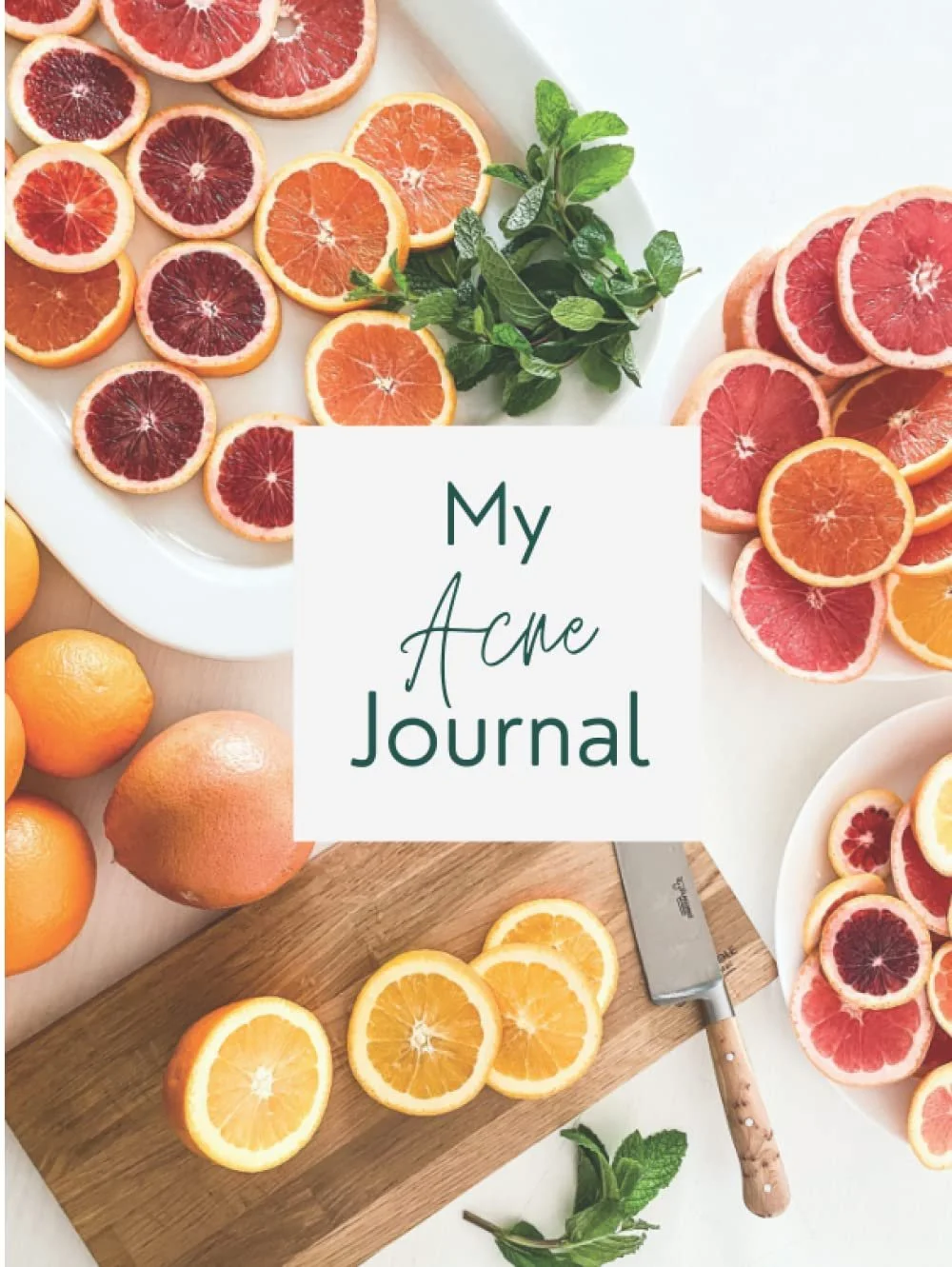
For tracking patterns between stressful periods and skin changes, My Acne Journal provides a structured format for identifying the stress-acne correlation in your own skin — useful for recognising patterns and demonstrating them to a GP or dermatologist.
Overcoming Stress by Lee Brosan and Gillian Todd
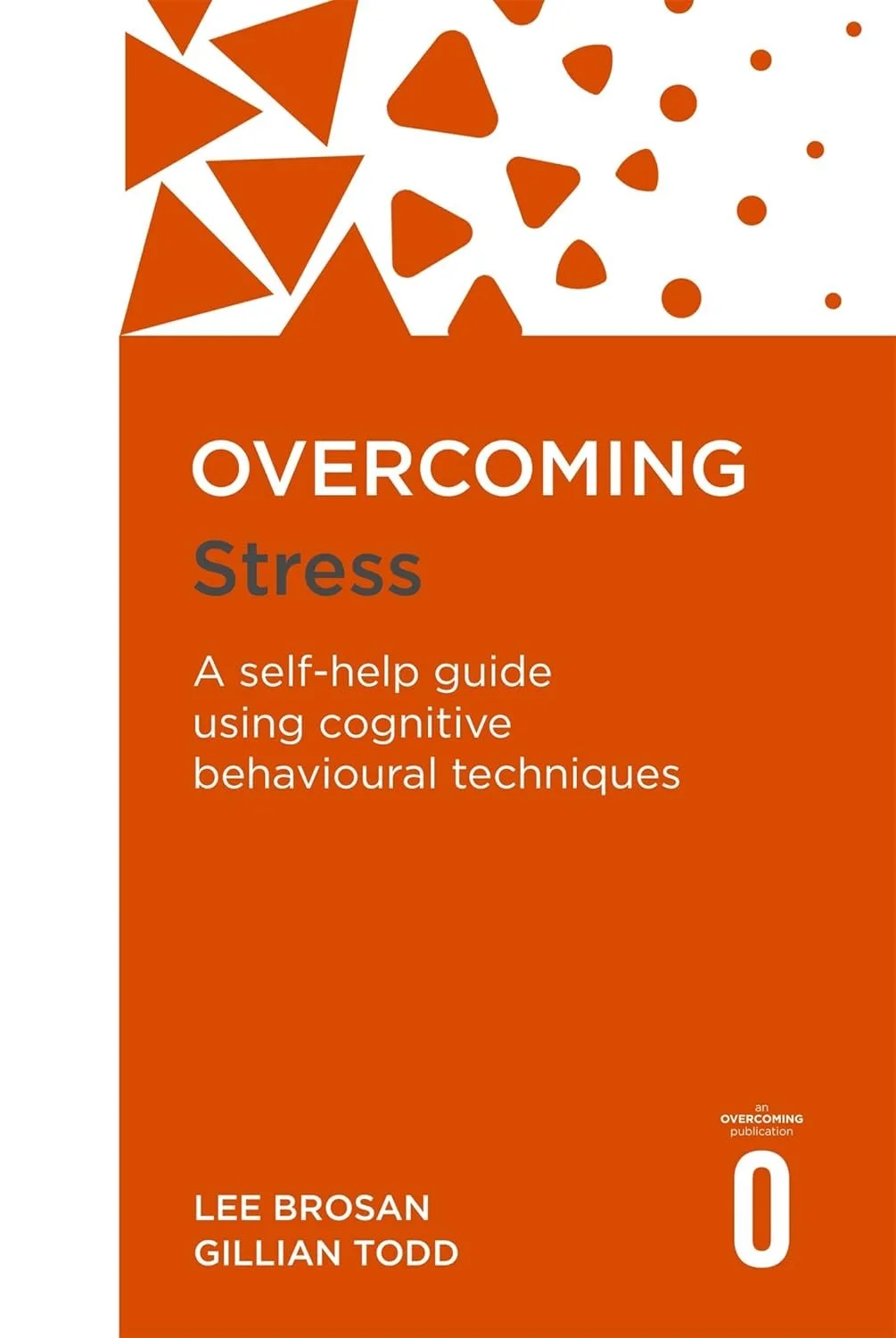
a CBT-based self-help workbook for stress management from the Overcoming series, recommended by the British Association for Behavioural and Cognitive Psychotherapies. As covered above, reducing the cortisol and CRH output from the HPA axis through consistent stress management practice is the most specifically targeted intervention for the stress-acne cycle — a structured CBT workbook provides the framework that makes stress management more sustainable than unstructured mindfulness practice.
FAQ
Can stress cause acne?
Stress amplifies existing acne through specific mechanisms: adrenal androgen production (DHEAS→testosterone→DHT), direct cortisol action on sebaceous gland receptors, and substance P-mediated inflammatory cascades from skin nerve fibres.
What is stress acne?
Stress acne is a term often used to describe breakouts that appear or worsen during periods of emotional or psychological stress.
Does stress cause hormonal acne specifically?
Stress elevates DHEAS — an adrenal androgen precursor — producing measurable increases in serum androgens that drive the same jawline/chin pattern as cyclical hormonal acne.
How long does stress acne take to appear?
Inflammatory acne from substance P can appear within hours. Hormonal stress acne follows the one-to-two week follicular development lag between sebum elevation and visible inflammatory lesions.
Does cortisol cause acne?
Cortisol may influence processes such as inflammation and oil production, which are relevant to acne development.
Why do I break out when I'm stressed?
The HPA axis responds to anticipated stress as well as current stress — cortisol and DHEAS rise in anticipation of significant events, increasing sebum production one to two weeks before visible breakouts appear
Can reducing stress improve acne?
It reduces one significant driver of the condition. Stress management, sleep improvement, and zinc supplementation for the androgenic pathway address stress acne more specifically than topical-only approaches.
Summary
Stress causes acne through three specific mechanisms: HPA axis-driven DHEAS elevation producing androgen-stimulated sebum (covered in depth in the hormonal acne article), direct cortisol receptor activation on sebocytes, and substance P-mediated inflammatory cascade in skin nerve fibres. Exam period studies consistently confirm higher inflammatory acne during high-stress periods. The most effective management addresses the stress source, maintains topical consistency, avoids picking, and addresses the androgenic pathway with targeted nutritional support including zinc.
Written by the Drought Skin team — specialists in natural support for psoriasis and eczema.
Disclaimer: This article contains affiliate links. We earn a very small commission from each purchase made through these links. There is no additional cost to you. All products featured have been specifically selected as products we personally use and love. For further information, please see our disclaimer page.
