
Facial Eczema: Causes, Types, and What Actually Helps
Facial eczema is more specific than it seems — different types need different treatment. Here's a clear guide to atopic, seborrhoeic, perioral and contact facial eczema and what helps each.
Menopause & Eczema: Why It Happens + What Helps
Menopause can trigger or worsen eczema in ways that catch many women off guard. Here's why it happens, what's going on hormonally, and what genuinely helps.

Salicylic Acid for Eczema: When It Helps and When It Makes Things Worse
Salicylic acid isn't broadly safe for eczema — but it has specific, limited uses. Here's the mechanism, when it's appropriate, and what dermatologists recommend instead.
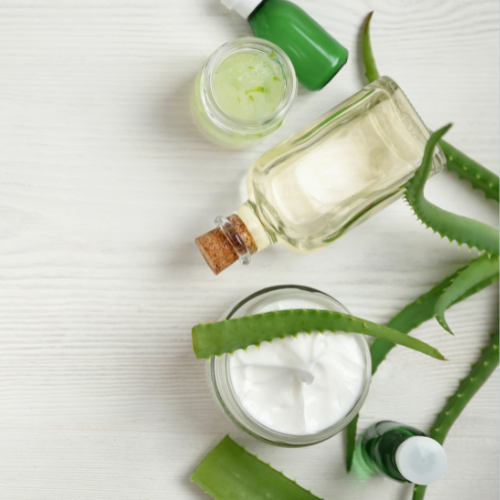
Does Aloe Vera Help Eczema? What It Contains, What the Evidence Shows & How to Use It
Aloe vera has specific documented properties relevant to eczema — but commercial products vary hugely. Here's what it contains, what the research shows, and how to use it safely.

Mould, Damp & Eczema: The Mechanisms & What Actually Helps
Mould worsens eczema through protease-mediated barrier disruption and IgE allergen sensitisation. Here's the mechanism, the UK housing context, and what actually helps.

Soy and Eczema: Who Needs to Be Careful and Who Doesn't
Soy is a top-five allergen in paediatric eczema — but in adults it's a much less common trigger. Here's who needs to be cautious, the fermented soy distinction, and how to find out.

What Is the EASI Score? A Complete Guide to Eczema Severity Measurement
The EASI score measures eczema severity across four body areas and four clinical signs. Here's exactly how it's calculated, what the scores mean, and why it matters for treatment.

Moisturising for Eczema: How to Do It Properly & What Actually Works
Moisturising is the foundation of eczema care — but most people do it wrong. Learn how emollients work, what to look for, and when to moisturise for best results.

Sea Moss for Eczema: Does It Actually Help?
Sea moss is trending for eczema — but does it live up to the claims? We look at the evidence, the nutrients, the risks, and what's realistic to expect.

Cryotherapy and Eczema: What the Cold Actually Does and What's Safe at Home
Cold therapy temporarily reduces eczema itch through specific vasoconstriction and histamine mechanisms — but cold urticaria is a real risk. Here's what's safe and what isn't.

Witch Hazel and Eczema: Helpful or Harmful?
Witch hazel's astringent properties make it popular for skin — but for eczema it's a mixed picture. Here's the mechanism, the alcohol issue, and when it might be appropriate.

Eczema in and Around the Ears: Causes, Types & What Helps
Ear eczema affects different areas with different causes — nickel allergy, seborrhoeic dermatitis, and atopic eczema all present here. Here's how to tell them apart and what helps.