

Best Sunscreen Habits for Eczema-Prone Skin
Finding a sunscreen that doesn't irritate eczema-prone skin is hard — but not impossible. Here's what to look for, what to avoid, and specific products worth trying.

Eczema in Summer: Why Heat Triggers Flares & What Actually Helps
Summer heat worsens eczema through specific mechanisms — heat-triggered histamine release, sweat irritation, and pollen overlap. Here's what's happening and what helps.
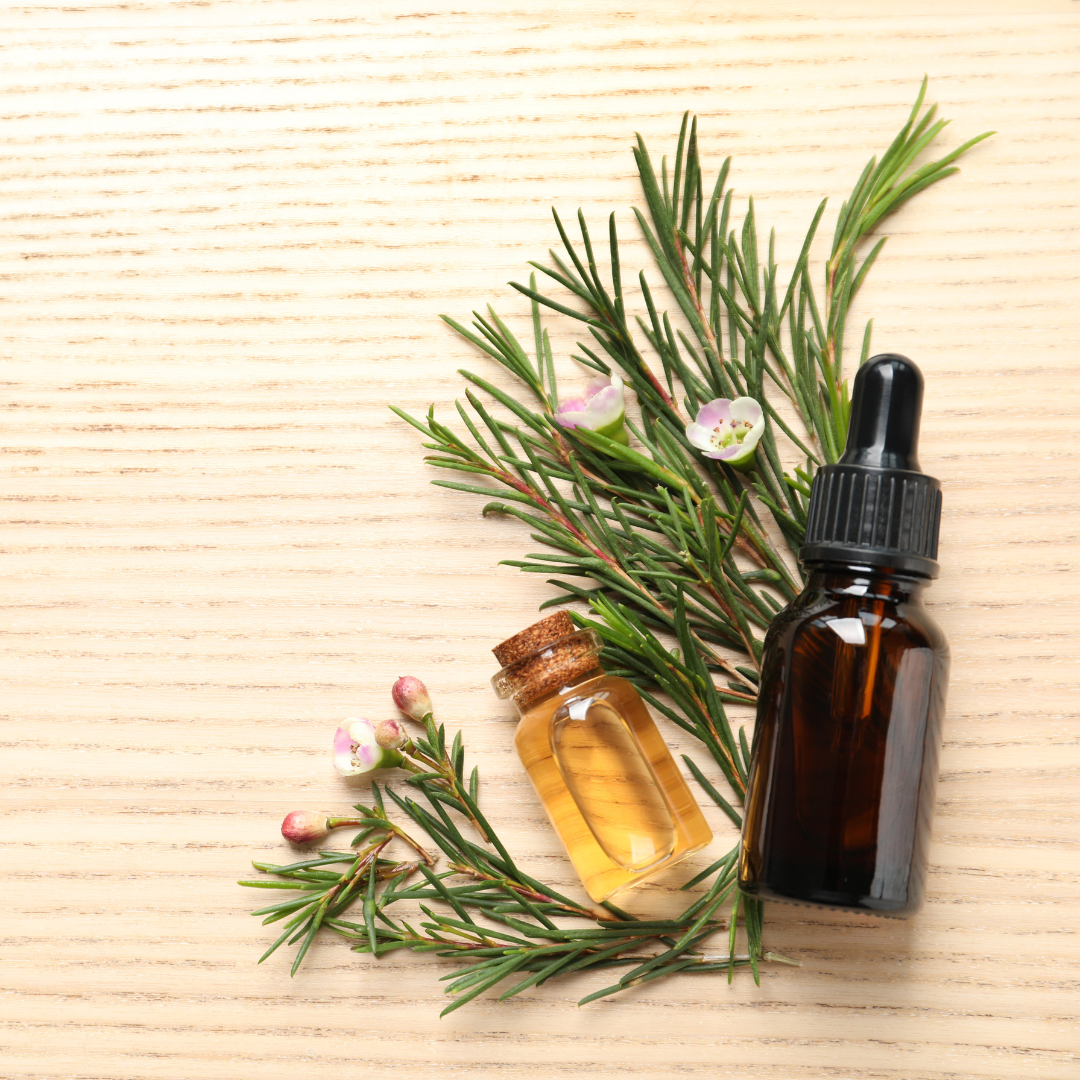
Tea Tree Oil for Eczema: The Terpinen-4-ol Mechanism, the Oxidation Risk & How to Use It Safely
Tea tree oil's terpinen-4-ol inhibits S. aureus — the bacterium most associated with eczema severity. But oxidised tea tree oil is significantly more allergenic than fresh, and contact sensitisation rates are high. Here's the honest picture.

Vitamin D and Eczema: What the Evidence Actually Shows
Vitamin D deficiency is more prevalent in eczema patients and linked to disease severity. Here's what it does, what the research shows, and the UK-specific context most articles miss.

Sudocrem for Eczema: Helpful or Harmful?
Sudocrem is often tried for eczema — and it does help in specific situations. Here's an honest breakdown of when it works, when it irritates, and what the alternatives are.

The Contraceptive Pill & Eczema: Oestrogen, Progesterone Sensitivity & Nutrient Depletion Explained
The contraceptive pill depletes zinc, magnesium, and B6 — all specifically relevant to eczema barrier function and immune regulation. Here's the hormonal mechanism and what to do about it

Facial Eczema: Types, Causes, Treatments & the Best Skincare Routine
Facial eczema is more specific than it seems — different types need different treatment. Here's a clear guide to atopic, seborrhoeic, perioral and contact facial eczema and what helps each.

Menopause & Eczema: Why It Happens + What Helps
Menopause can trigger or worsen eczema in ways that catch many women off guard. Here's why it happens, what's going on hormonally, and what genuinely helps.

Salicylic Acid & Eczema: When It Helps, When It Worsens Symptoms & What to Use Instead
Salicylic acid's keratolytic mechanism makes it useful for scalp eczema and thick dry patches — but its lipophilic penetration through compromised eczema barrier skin causes stinging and worsening in most presentations. Here's when to use it and when to avoid it.
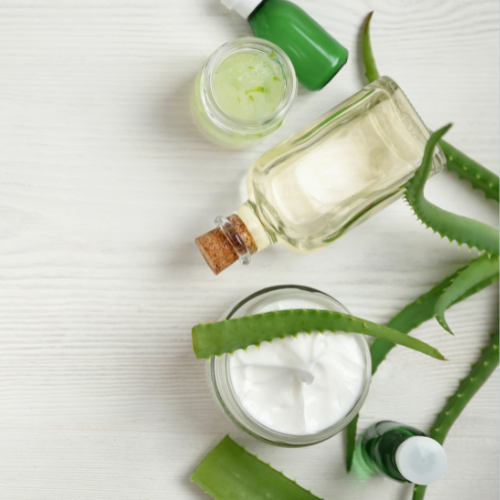
Aloe Vera for Eczema: The Acemannan Mechanism, What the Evidence Shows & the Aloin Safety Warning
Aloe vera's acemannan content has documented antimicrobial activity against S. aureus — the bacterium most associated with eczema severity. But aloin in whole-leaf preparations is a documented irritant. Here's what to use and what to avoid.

Mould, Damp & Eczema: The Mechanisms & What Actually Helps
Mould worsens eczema through protease-mediated barrier disruption and IgE allergen sensitisation. Here's the mechanism, the UK housing context, and what actually helps.

Soy and Eczema: Who Needs to Be Careful and Who Doesn't
Soy is a top-five allergen in paediatric eczema — but in adults it's a much less common trigger. Here's who needs to be cautious, the fermented soy distinction, and how to find out.