
Essential Oils for Psoriasis: Which Help, Which Are Contact Allergens & the Koebner Application Risk

Essential oils attract significant interest in psoriasis communities — many people try them as a gentler, natural complement to medical treatment. Some find genuine comfort; others develop contact reactions. Understanding which oils have the most plausible benefit, which carry the most risk, and how to use them appropriately makes the difference between a useful complementary measure and a contact allergy that worsens the skin they're intended to soothe.
Can essential oils help psoriasis?
Essential oils may help soothe symptoms like dryness and irritation for some people — but they can also trigger sensitivity or flare-ups, especially on psoriasis-prone skin, and the gap between those two outcomes is determined by factors that most essential oil content for psoriasis entirely fails to address. The wellness community's enthusiasm for essential oils and the medical community's general dismissal of them both miss the more nuanced and more useful picture: some essential oils contain specific compounds — terpinen-4-ol in tea tree, boswellic acids in frankincense, bisabolol in chamomile — with documented anti-inflammatory and antimicrobial activity at pathways relevant to psoriasis, while others contain known contact allergens and chemical irritants that on psoriasis-prone skin's elevated permeability and sensitisation risk are more likely to worsen than improve the condition. There's a further consideration specific to psoriasis that almost no essential oil article addresses: the Koebner phenomenon means that the friction of application, the chemical irritation from undiluted oils, or a contact allergen reaction from a sensitising compound can all trigger new plaque formation at the application site — making the difference between a correctly chosen, correctly diluted oil and the wrong product applied incorrectly not just a question of efficacy but of whether the intervention actively worsens the condition it's intended to help.
What essential oils can and cannot do for psoriasis
This framing matters before anything else. Essential oils are concentrated plant extracts with anti-inflammatory, antimicrobial, and aromatic properties. Several have documented bioactive compounds — chamomile's bisabolol, frankincense's boswellic acid fractions, geranium's citronellol — that have anti-inflammatory properties in laboratory research.
What they cannot do is address psoriasis at the pathological level. Psoriasis is driven by T-cell-mediated immune dysregulation and Th17/IL-17 inflammatory cascades. No essential oil compound penetrates to this depth or operates on these pathways at concentrations achievable through topical application. The benefit of essential oils for psoriasis is symptomatic comfort — reduced itch, mild local anti-inflammatory soothing, and the stress reduction from aromatherapy — rather than disease modification.
That is still genuinely useful. Itch reduction and stress management both matter for psoriasis management — and aromatherapy specifically (inhalation rather than topical application) addresses the stress-HPA axis pathway covered in the stress article in this series without the contact allergen risk of topical use.
Oils with more specific anti-inflammatory rationale
Chamomile (Roman chamomile, Chamaemelum nobile) contains bisabolol and alpha-bisabolol oxide, which have documented anti-inflammatory and anti-irritant properties in dermatological research. Of the commonly used essential oils for psoriasis, chamomile has one of the more coherent mechanistic rationales and is generally considered lower-risk for sensitive skin than many alternatives. Still requires dilution and patch testing.
Frankincense (Boswellia serrata or Boswellia carterii) contains boswellic acid fractions with documented 5-lipoxygenase inhibition — reducing leukotriene production in the same inflammatory pathway that fish oil omega-3s target. The evidence is primarily from oral Boswellia extracts rather than topical essential oil, but the anti-inflammatory rationale is specific and the oil is generally well-tolerated. Dilute to 1–2% in a carrier oil.
Geranium contains citronellol, geraniol, and linalool — the latter of which is also a lavender component and a potential allergen. Rose geranium oil is often described as having mild astringent and anti-inflammatory properties. Lower-risk than lavender or tea tree for most people, but linalool content means the same patch-testing caution applies.
Nikura Rose Geranium Essential Oil— a rose geranium oil suitable for diluted topical use. (Affiliate link.)
Eucalyptus provides a cooling sensation from its high cineole (1,8-cineole) content, which has mild analgesic properties relevant to the itch and discomfort of psoriasis. The cooling effect on inflamed plaques can provide temporary comfort. However, eucalyptus is also a skin irritant at higher concentrations and should be diluted more aggressively than gentler oils — 0.5–1% maximum on psoriasis-affected skin.
Nikura Eucalyptus Essential Oil— a pure eucalyptus oil. Use at 0.5–1% dilution only. Not suitable on or near active plaques; more appropriate for intact skin around affected areas. (Affiliate link.)
The contact allergen issue: what to know before applying anything
Psoriasis skin, like eczema skin, has a compromised barrier that allows topical compounds to penetrate more readily — which means contact sensitisation to essential oil compounds is more likely than on intact skin.
Two of the oils most commonly recommended for psoriasis are also two of the most documented contact allergens in dermatology:
Lavender oil contains linalool and linalyl acetate — compounds that oxidise on exposure to air and become increasingly allergenic. As covered in the lavender and eczema article in this series, lavender is one of the most common patch-test-confirmed contact allergens in the UK. The contact allergy risk is the same for psoriasis skin as for eczema skin — perhaps higher given the compromised barrier.
Tea tree oil — covered in the tea tree oil and eczema article — is among the most frequently identified contact allergens from skincare products. Its active compounds also oxidise with age and improper storage, becoming more allergenic. For psoriasis skin where the Koebner phenomenon means any skin irritation can trigger new plaques, a contact reaction from tea tree oil is a more significant risk than for intact skin.
This doesn't mean lavender and tea tree can never be used for psoriasis — but they should be used with specific precautions: fresh, properly stored oil; significant dilution (1% or lower); patch testing; and avoidance on or near active plaques.
The lavender recommendation: using it safely
Given the documented contact allergy risk, lavender essential oil on psoriasis plaques directly is not recommended as a routine practice. The appropriate use for lavender in psoriasis management is aromatherapy — inhalation via diffuser or pillow, which captures the stress-reduction benefit of lavender (through HPA axis modulation) without skin contact.
Recommended Products
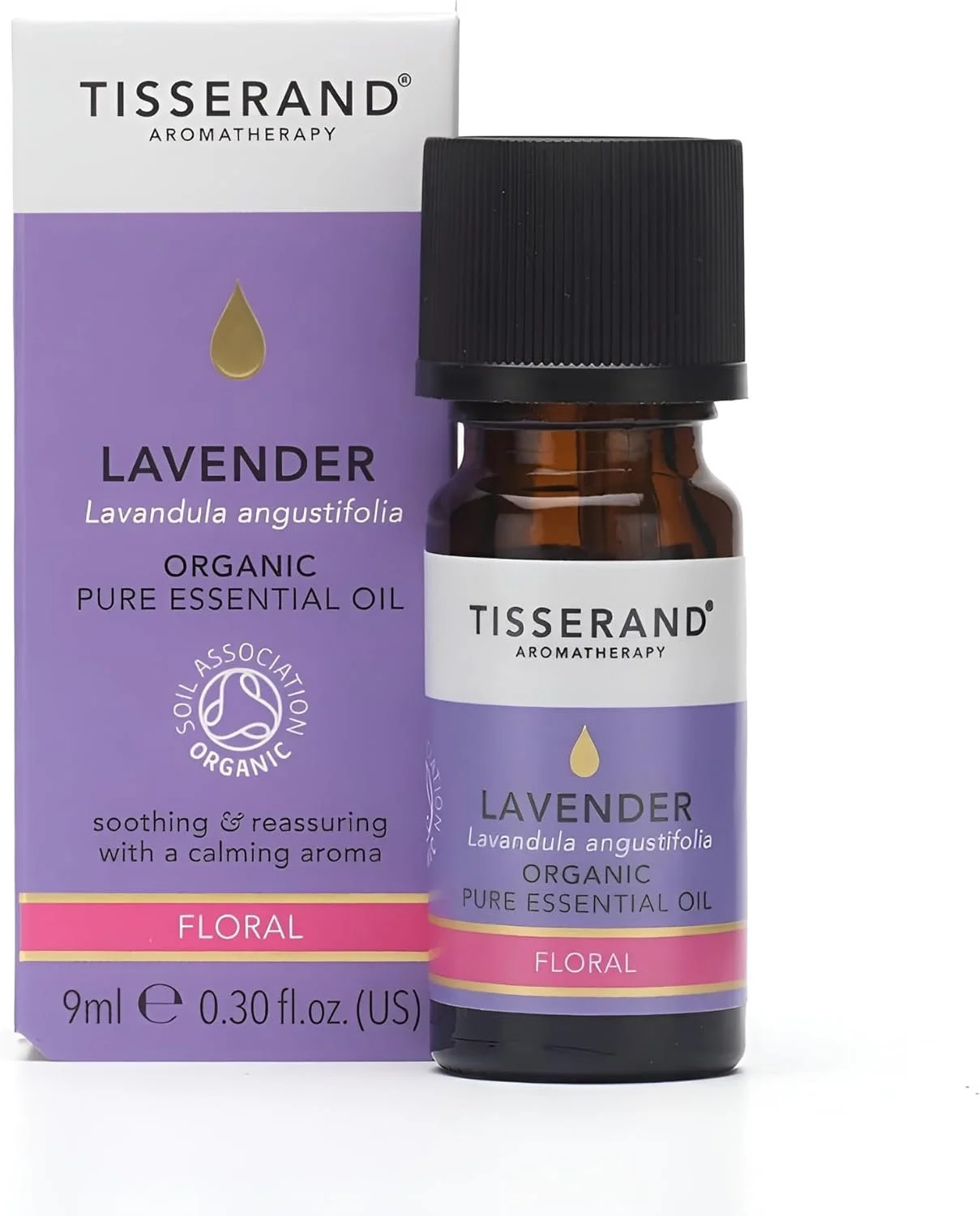
Tisserand Aromatherapy Lavender Organic Essential Oil
for diffuser or aromatherapy use rather than topical application on psoriasis-affected skin. As covered above, lavender's linalool content makes it a documented contact allergen on the compromised barrier of psoriasis skin — but inhaled lavender provides the stress-reduction benefit through HPA axis modulation without any skin contact allergen risk. Add five to ten drops to a diffuser during the evening to support the cortisol-circadian rhythm regulation relevant to stress-triggered psoriasis flares. Tisserand's batch testing provides purity documentation and freshness verification that generic lavender oils don't offer. Store tightly sealed in a cool dark location
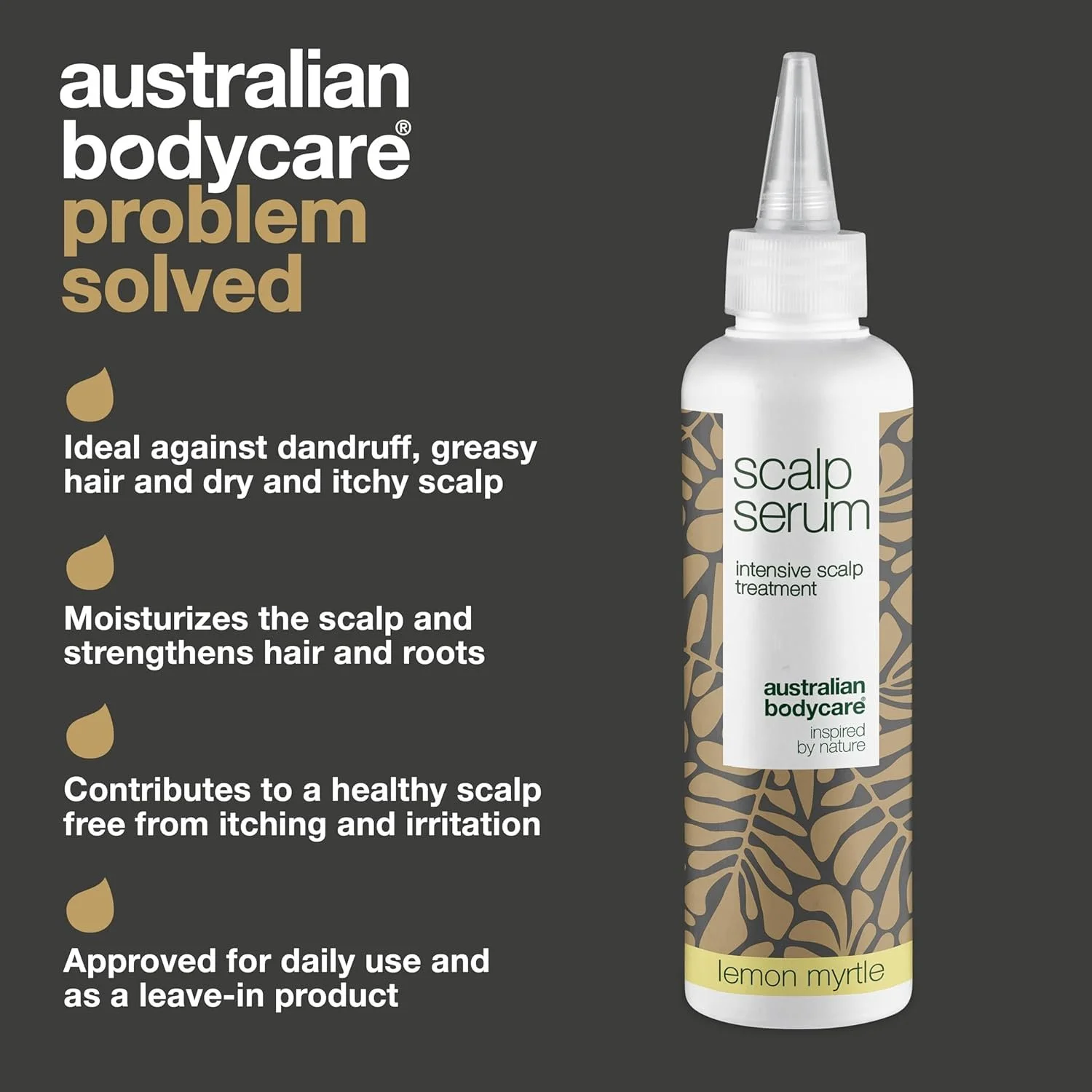
Australian Bodycare Tea Tree Oil Scalp Serum
a pre-formulated tea tree scalp product at a controlled concentration appropriate for scalp psoriasis with seborrhoeic dermatitis overlap. As covered above, home dilution of pure tea tree oil for scalp use carries oxidation and concentration inconsistency risks — a purpose-formulated scalp serum with documented tea tree concentration and stable formulation provides the terpinen-4-ol antimicrobial benefit against Malassezia more reliably. Apply to the scalp as directed; allow the specified contact time before rinsing. Discontinue if irritation, increased redness, or new plaque formation develops at application sites — which may indicate contact sensitisation to terpinen-4-ol or a Koebner response from application friction.
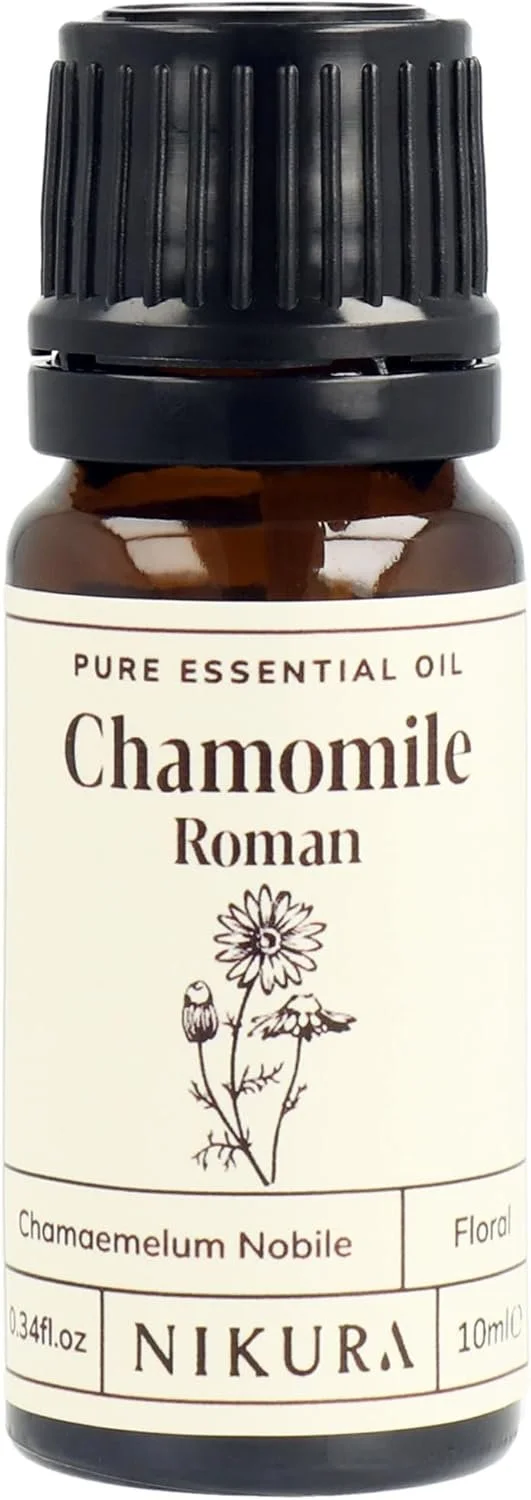
Nikura Roman Chamomile Essential Oil
a pure Roman chamomile (Chamaemelum nobile) oil, the species most appropriate for skin use due to its higher bisabolol content relative to German chamomile. Bisabolol's documented anti-inflammatory and anti-irritant properties give Roman chamomile the most coherent anti-inflammatory rationale of the commonly used essential oils for psoriasis. Dilute to 1% in jojoba or sweet almond carrier oil before any skin application — one drop per 5ml carrier. Patch test on the inside of the elbow for 24 hours before use near plaques. Apply by patting rather than rubbing to avoid Koebner friction risk. Store tightly sealed and replace after 12 months of opening.
How to use essential oils safely on psoriasis skin
Always dilute. 1% dilution (1 drop per 5ml carrier oil) is appropriate for psoriasis-adjacent skin. On clear skin around plaques, 1–2%. Never apply undiluted essential oil directly to psoriasis plaques.
Choose appropriate carrier oils. Jojoba and sweet almond are the most appropriate — they have balanced fatty acid profiles and lower oleic acid content than olive oil (the oleic acid barrier-disruption risk discussed in the olive oil article applies here too).
Patch test 24 hours before use. On clear skin on the inside of the elbow, not on plaque tissue.
Apply without friction. The Koebner phenomenon means rubbing oil into plaque skin can trigger new plaques at the friction site. Pat or press gently rather than massaging.
Store oils correctly and discard old bottles. Oxidised essential oils are more allergenic than fresh ones. Keep tightly closed, in a cool dark place, and discard open bottles after 12 months.
Avoid on broken or actively inflamed plaques. Essential oils on compromised skin surfaces cause stinging and increase allergen penetration.
Skin support for psoriasis-prone skin
Essential oils work at the surface level — soothing comfort and mild topical anti-inflammatory effects. The systemic immune dysfunction, nutritional deficiencies, and chronic inflammatory burden of psoriasis require internal support that no topical intervention can address.
Drought's Skin Support Formulaprovides 14 nutrients including vitamin D, zinc, vitamin C, and magnesium — addressing the internal dimensions of psoriasis management that essential oils cannot reach. Made in the UK, suitable for vegetarians, designed for consistent long-term daily use.
FAQs: Essential oils and psoriasis
Are essential oils safe for psoriasis?
Conditionally — but psoriasis skin carries specific risks that healthy skin doesn't. The compromised barrier of psoriatic plaques allows essential oil compounds to penetrate more rapidly and more deeply than intact skin — reaching immune cells in the dermis and triggering Type IV delayed hypersensitivity reactions at concentrations that intact skin would tolerate. This elevated permeability means psoriasis patients have higher contact sensitisation rates to fragrance compounds than the general population. The conditions for safer use are specific: 1% dilution in a carrier oil, patch testing at the diluted concentration for 48 hours before use near plaques, fresh product stored correctly to avoid oxidation, application by patting rather than rubbing to avoid Koebner friction, and avoidance of actively inflamed or cracked plaque skin entirely.
Which essential oil is best for psoriasis?
Roman chamomile and frankincense have the most specific and most coherent anti-inflammatory rationale for psoriasis with comparatively lower sensitisation risk than lavender or tea tree. Roman chamomile's alpha-bisabolol has documented anti-inflammatory and anti-irritant properties through inhibition of inflammatory pathways relevant to psoriasis — and Roman chamomile (Chamaemelum nobile) carries lower sensitisation risk than German chamomile. Frankincense contains boswellic acids that inhibit 5-lipoxygenase — an enzyme in the leukotriene production pathway that contributes to psoriatic inflammation — giving it a more specific anti-inflammatory mechanism than most commonly discussed essential oils. Lavender's linalool contact allergen risk makes topical use on psoriasis plaques inappropriate for regular use — aromatherapy diffusion provides the HPA axis cortisol benefit without the skin contact allergen risk.
Can essential oils cure psoriasis?
No — psoriasis is driven by Th17 immune dysregulation with a genetic basis that no topical preparation addresses at root. Essential oils cannot inhibit IL-17 or IL-23 production, normalise keratinocyte turnover, or modify the FLG genetic variants that affect barrier function in atopic presentations. What specific oils can realistically contribute is limited but genuine — surface antimicrobial activity reducing S. aureus colonisation that amplifies plaque inflammation, mild anti-inflammatory activity through specific compounds at the skin surface, and stress reduction through aromatherapy addressing the HPA axis cortisol pathway that triggers psoriasis flares. These are comfort and adjunct benefits rather than treatment effects — positioning essential oils within a comprehensive management approach rather than as a standalone intervention is both more honest and more clinically appropriate.
Can essential oils make psoriasis worse?
Yes — through contact sensitisation and the Koebner phenomenon from friction during application. Any new plaques appearing in the pattern of oil application should prompt stopping use.
How should I dilute essential oils for psoriasis?
1% dilution (1 drop per 5ml carrier oil) for psoriasis-prone skin; 0.5% for more sensitive presentations. Never apply undiluted.
Which carrier oil is best for diluting essential oils for psoriasis?
Jojoba is the most appropriate carrier for psoriasis-prone skin — its composition is approximately 97% wax esters rather than triglycerides, closely resembling the skin's own sebum structure. It is non-comedogenic, highly stable against oxidation, and less likely to contribute to Malassezia proliferation on the scalp than oleic-dominant carriers like olive oil. Sunflower oil is a good alternative — its high linoleic acid content supports ceramide synthesis rather than disrupting it, making it skin-compatible for psoriasis. Avoid olive oil as a carrier for psoriasis — its high oleic acid content disrupts ceramide organisation in the stratum corneum, worsening the barrier deficit that psoriasis already has. This is the same oleic acid mechanism covered in the olive oil psoriasis article in this series.
Is lavender good for psoriasis?
As an aromatherapy tool for stress reduction, yes. As a topical oil on psoriasis plaques, its contact allergy risk (linalool sensitisation) makes it inappropriate for regular use on affected skin.
Can I use essential oils on scalp psoriasis?
Pre-formulated scalp products containing tea tree at controlled concentrations are more appropriate than home dilution for the scalp. For pure plaque psoriasis on the scalp without seborrhoeic elements, coal tar shampoo has considerably stronger evidence.
Should I use essential oils daily?
No — occasional use rather than daily application is the appropriate approach for psoriasis-prone skin. Daily repeated application increases the cumulative contact sensitisation risk, particularly for compounds like linalool in lavender and terpinen-4-ol in tea tree that become more allergenic with oxidised exposure over time. Once to twice weekly as a comfort measure on settled, non-inflamed skin is a more appropriate frequency than daily application. If aromatherapy diffusion is being used for stress management, daily use is appropriate — the contact allergen concern applies to topical application rather than inhalation.
Is it safe to add oils to bath water?
Only with proper emulsification beforehand — never drop pure essential oil directly into bathwater. Undiluted essential oil floats on the water surface and makes concentrated contact with skin patches as you enter and exit the bath — a significant irritant and allergen contact risk on already-compromised psoriasis skin. Mix essential oil into a carrier oil, full-fat milk, or a specific bath dispersant before adding to water — this distributes the oil more evenly rather than concentrating it. For psoriasis specifically, emollient bath oils or colloidal oatmeal preparations are safer and more evidence-based bath additives than essential oil preparations.
Summary
Essential oils offer mild symptomatic comfort for psoriasis — primarily through local anti-inflammatory compounds (chamomile's bisabolol, frankincense's boswellic fractions) and the stress-reduction pathway of aromatherapy. They do not address psoriasis at the immunological level. Lavender and tea tree are the most commonly recommended but also the most documented contact allergens — lavender is better used via aromatherapy than topically on psoriasis skin; tea tree in scalp psoriasis with seborrhoeic elements is more appropriate as a pre-formulated scalp product than as a diluted pure oil. All essential oils require dilution, patch testing, gentle application (Koebner risk), and fresh product with proper storage. They are a comfort measure alongside, not a replacement for, appropriate skincare and medical management.
Written by the Drought Skin team — specialists in natural support for psoriasis, eczema, and sensitive skin.
Disclaimer: This article contains affiliate links. We earn a very small commission from each purchase made through these links. There is no additional cost to you. All products featured have been specifically selected as products we personally use and love. For further information, please see our disclaimer page.
-
Lavender for Eczema: Benefits, Risks & the Contact Allergy Issue
Tea Tree Oil for Eczema: Benefits, Risks & How to Use It
Coal Tar for Psoriasis: How It Works, Benefits, Safety & When to Use It
Scalp Psoriasis: Identification, Treatment & Long-Term Management
Bath Salts for Eczema & Psoriasis: What Actually Helps and How to Use Them
