
Psoriasis and Liver Health: The Hepatodermal Axis Explained

Psoriasis is increasingly recognised as a systemic inflammatory condition rather than just a skin disease — and the liver is one of the most significant non-skin organs affected. The relationship between psoriasis and liver health is specific, documented, and clinically important: not only because of shared inflammatory pathways, but because some of the most effective psoriasis treatments have documented hepatic effects that require monitoring.
Psoriasis & Liver Health: Why The Connection Matters
Psoriasis is usually thought of as a skin condition — but research increasingly suggests it may affect far more than the skin alone.
One area gaining more attention is the connection between psoriasis and liver health, particularly non-alcoholic fatty liver disease (NAFLD), now often referred to as metabolic dysfunction-associated steatotic liver disease (MASLD). Studies suggest people with psoriasis may have a higher risk of liver-related issues, especially when psoriasis is more severe.
While the exact relationship is still being researched, inflammation appears to play a major role in both conditions.
Psoriasis may be more connected to whole-body health than many people realise.
The hepatodermal axis: what it means
The "hepatodermal axis" — the bidirectional inflammatory relationship between liver and skin — is a concept gaining increasing attention in dermatology and hepatology research. The key insight is that psoriasis and liver disease don't merely co-occur by coincidence; they share and amplify each other's inflammatory burden through specific mechanisms.
The liver is the body's primary site for processing inflammatory cytokines, acute phase proteins, and metabolic byproducts from circulation. In psoriasis — where TNF-α, IL-6, and IL-17 are persistently elevated in the bloodstream — the liver bears an elevated metabolic burden clearing these inflammatory mediators. Multiple studies have found elevated liver enzymes (ALT and AST) in psoriasis patients compared to controls, often without any alcohol use, suggesting subclinical hepatic stress from chronic inflammatory load.
The relationship runs the other direction too: liver disease independently worsens psoriasis through increased systemic inflammatory output. A liver that is steatotic, inflamed, or functionally impaired produces more pro-inflammatory cytokines — directly adding to the inflammatory burden driving psoriatic plaques. This bidirectionality is what makes the connection clinically significant rather than merely correlational.

NAFLD and psoriasis: the specific numbers
Non-alcoholic fatty liver disease (NAFLD — now often termed MASLD, metabolic dysfunction-associated steatotic liver disease) is the most documented hepatic comorbidity of psoriasis. Multiple large studies have found NAFLD rates in psoriasis patients two to three times higher than in matched controls without psoriasis.
The mechanisms connecting them are shared rather than causal:
Metabolic syndrome — the cluster of obesity, insulin resistance, dyslipidaemia, and elevated blood pressure — is a common driver of both NAFLD and psoriasis severity. Adipose tissue produces TNF-α and IL-6, increasing systemic inflammatory burden for both conditions. Weight loss in overweight psoriasis patients improves both PASI scores and liver function tests — supporting the shared metabolic pathway hypothesis.
Insulin resistance reduces SHBG (increasing free androgens driving sebum), activates mTORC1 (driving keratinocyte proliferation in psoriasis), and promotes hepatic fat accumulation. The connections flow in multiple directions through the same metabolic signalling.
Fructose and alcohol — both directly contribute to hepatic fat accumulation and both worsen psoriasis severity. As covered in the sugar and alcohol articles in this series, these are among the most consistently documented dietary psoriasis triggers; their liver effects add another specific reason to address them.
Psoriasis medications and liver function
This is where liver health becomes most practically important for people in treatment.
Methotrexate — one of the most commonly used systemic treatments for moderate-to-severe psoriasis — is directly hepatotoxic with cumulative dose. Methotrexate interferes with folate metabolism in hepatocytes and, with sustained use, increases the risk of hepatic fibrosis. This is why methotrexate requires regular liver function test monitoring and why cumulative doses are tracked. Concomitant alcohol use dramatically increases hepatotoxicity risk — the alcohol and psoriasis article noted this specifically.
Acitretin — the oral retinoid for psoriasis — can cause liver enzyme elevation and requires liver function monitoring.
Ciclosporin — less directly hepatotoxic than methotrexate but requires regular monitoring.
Biologics — the modern IL-17 and IL-23 inhibitors do not carry the same direct liver toxicity concerns as methotrexate and acitretin, and some evidence suggests they may actually improve metabolic syndrome markers with extended use by reducing systemic inflammatory burden.
This is not a reason to avoid effective systemic treatment — it is a reason to ensure monitoring is occurring as recommended and to discuss alcohol reduction specifically with your treating clinician if on methotrexate.
Lifestyle Factors Linked To Psoriasis & Liver Health
Several lifestyle factors may influence both psoriasis and liver wellbeing.
Weight & Metabolic Health
Obesity and metabolic syndrome are strongly linked to both psoriasis and fatty liver disease.
Alcohol Intake
Excess alcohol may increase liver stress and inflammation.
Smoking
Smoking is associated with increased inflammatory stress in the body.
Nutrition
Balanced nutrition may help support metabolic and overall health.
Physical Activity
Movement may help support metabolic balance and overall wellbeing.
What monitoring is appropriate
For most people with mild psoriasis managed topically, liver monitoring beyond standard routine care is not specifically indicated. But for people with:
Moderate-to-severe psoriasis on systemic treatment: regular liver function tests as directed by the prescribing clinician — typically every 3–6 months on methotrexate, less frequently on biologics.
Overweight or obese psoriasis: assessment for NAFLD/MASLD through liver function tests and ultrasound if clinically indicated.
Significant alcohol use alongside psoriasis: liver function assessment is warranted — not only because of alcohol's hepatotoxicity but because of its interaction with psoriasis treatments.
Fatigue disproportionate to skin disease: as covered in the psoriasis fatigue article, unexplained fatigue in psoriasis can sometimes reflect anaemia of chronic disease (covered below) or hepatic inflammation — both warrant blood test investigation.
Signs Liver Problems May Need Medical Attention
Liver problems don’t always cause symptoms early on, but possible signs may include:
Fatigue
Upper abdominal discomfort
Unexplained weakness
Jaundice
Swelling
Anyone concerned about liver health should speak with a healthcare professional.
Liver issues often develop quietly, which is why regular health monitoring matters.
Anaemia of chronic inflammation: the liver connection
The liver produces hepcidin — a hormone that regulates iron availability. In chronic inflammation, elevated hepcidin suppresses iron release from stores and reduces red blood cell production, producing anaemia even when iron stores are adequate. This is the same mechanism documented in psoriasis-related fatigue and is a direct liver-mediated consequence of sustained psoriatic inflammatory burden.
Liver support alongside psoriasis management
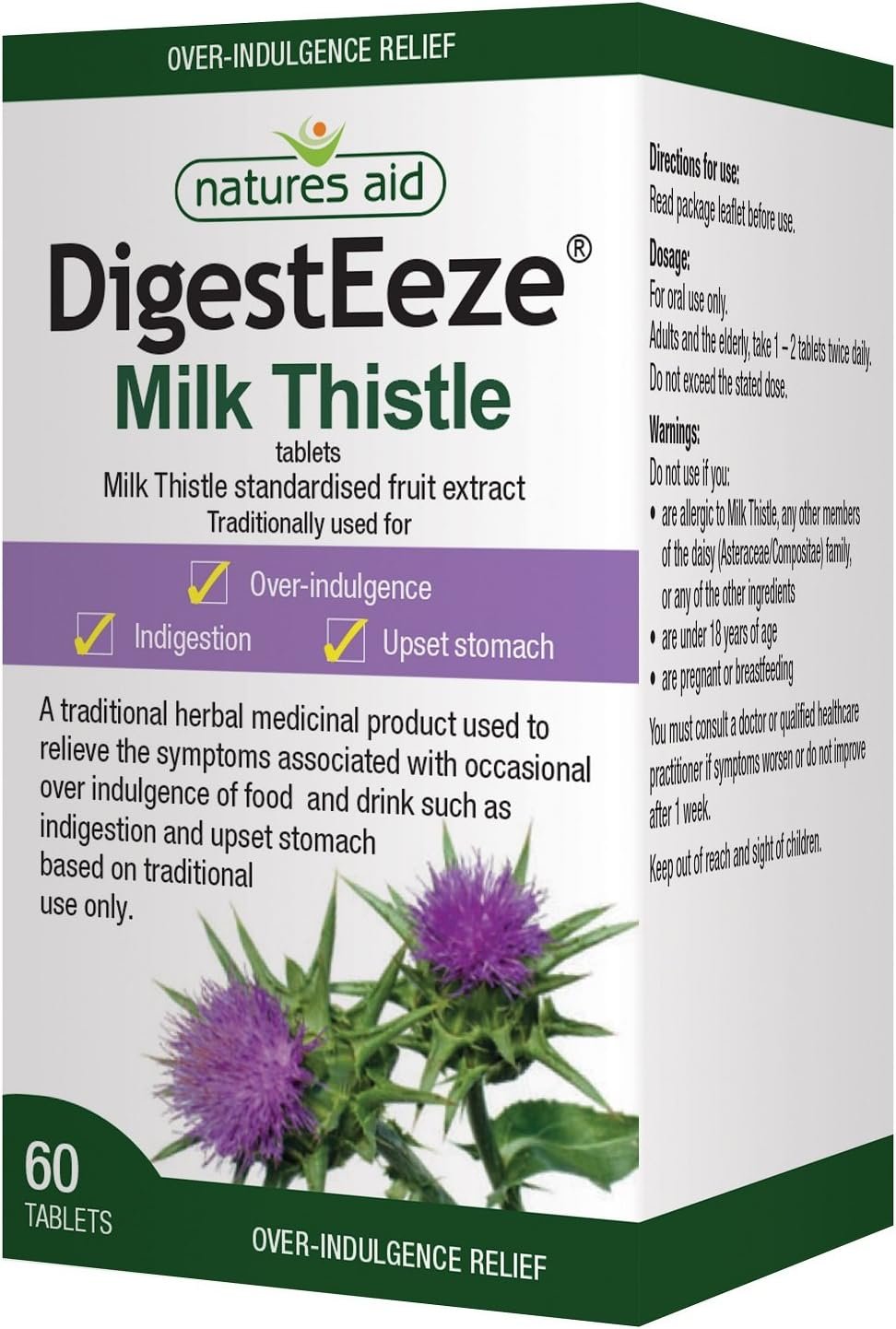
Natures Aid DigestEeze Milk Thistle 150mg
a standardised milk thistle extract providing consistent silymarin at 80% standardisation. Discuss with GP or pharmacist before use alongside methotrexate or other hepatically metabolised medications — CYP450 interaction potential.
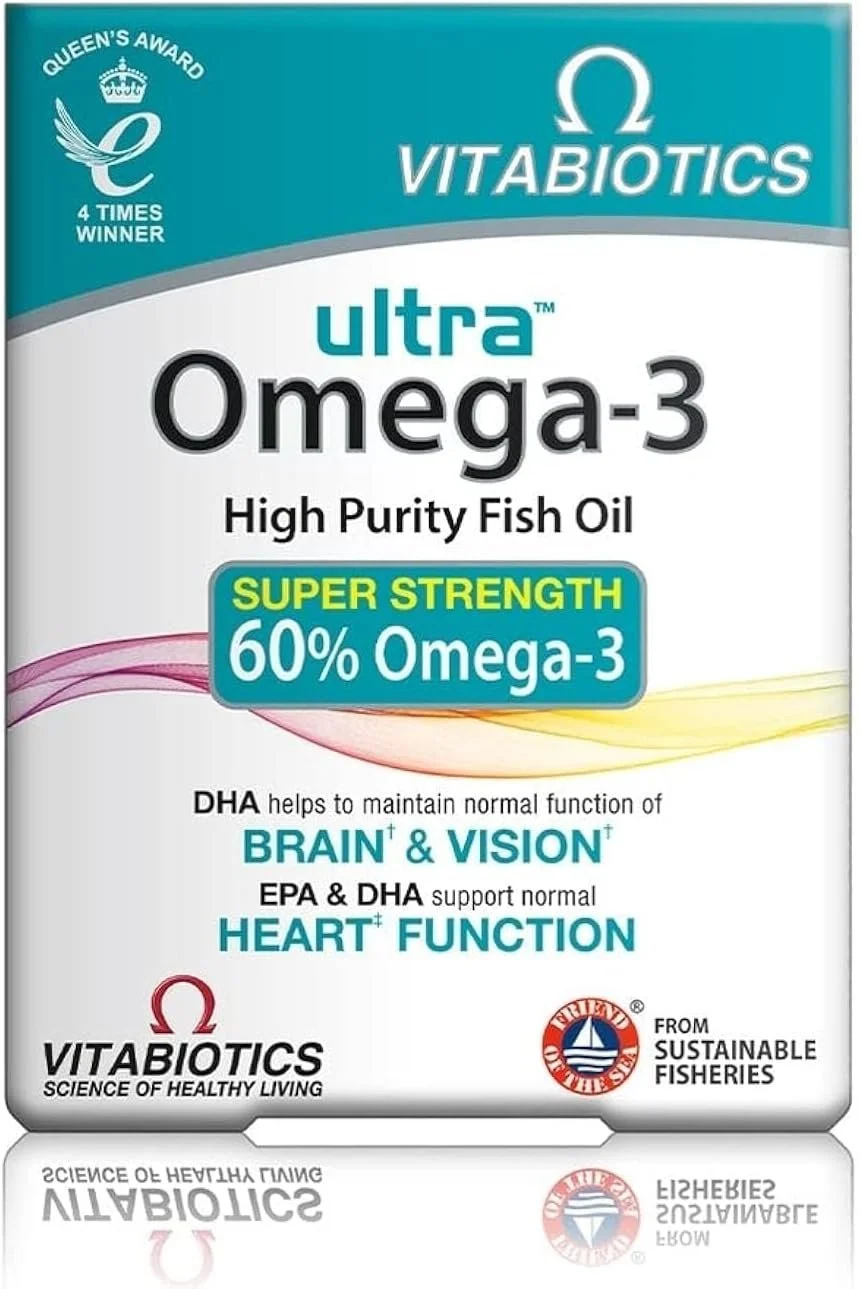
Vitabiotics Ultra Omega-3 Fish Oil Capsules
omega-3 EPA and DHA, relevant both for psoriasis inflammatory pathway reduction and for supporting metabolic syndrome markers and liver health. NAFLD in particular shows positive response to omega-3 supplementation in some studies
Supplement Support for Dry, Psoriasis-Prone Skin
The internal nutritional foundations relevant to psoriasis — vitamin D, zinc, omega-3, magnesium — work alongside liver and metabolic health improvement, not in competition with it.
Drought's Skin Support Formula provides vitamin D, zinc, vitamin C, and 11 other nutrients — supporting the multi-pathway internal approach to psoriasis management that liver health is one component of. Made in the UK, suitable for vegetarians, designed for consistent long-term daily use.
FAQ
Is psoriasis linked to liver disease?
Research suggests people with psoriasis may have a higher risk of certain liver conditions, especially fatty liver disease.
Does psoriasis affect the liver?
The liver bears an elevated inflammatory burden in psoriasis through cytokine processing, and NAFLD is two to three times more prevalent in psoriasis populations. The relationship is bidirectional.
What is the hepatodermal axis?
The concept describing the bidirectional inflammatory relationship between liver and skin — liver inflammation worsening psoriasis and psoriatic inflammation adding hepatic burden.
Does psoriasis cause fatty liver disease?
They share common drivers (metabolic syndrome, insulin resistance, obesity) rather than psoriasis directly causing NAFLD. Addressing the shared metabolic factors improves both.
Is methotrexate bad for the liver?
Methotrexate is directly hepatotoxic with cumulative dose. It requires regular liver function monitoring and is significantly more hepatotoxic when combined with alcohol.
Should I get my liver checked if I have psoriasis?
Standard routine health checks through a GP cover liver function. Specific liver investigation is more warranted for moderate-to-severe psoriasis, systemic treatment, overweight, or significant alcohol use.
Can omega-3 help with both psoriasis and liver health?
Omega-3 EPA and DHA have specific anti-inflammatory evidence for psoriasis and positive data for NAFLD management — addressing both conditions through the same nutritional intervention.
What liver condition is most associated with psoriasis?
Non-alcoholic fatty liver disease (NAFLD/MASLD) is one of the most commonly discussed liver conditions linked to psoriasis.
Can inflammation affect both psoriasis and the liver?
Yes. Chronic inflammation appears to play a role in both psoriasis and liver-related conditions.
Does fatty liver disease worsen psoriasis?
Some research suggests more severe psoriasis may be associated with higher rates of fatty liver disease.
Can lifestyle habits support psoriasis and liver health?
Balanced nutrition, movement, stress management and reducing excess alcohol may support overall wellbeing.
Summary
The psoriasis-liver connection is specific and bidirectional — psoriasis produces hepatic inflammatory burden through cytokine processing; liver disease amplifies systemic inflammatory output that worsens psoriatic plaques. NAFLD is two to three times more prevalent in psoriasis populations, mediated through shared metabolic syndrome pathways. Methotrexate and acitretin require liver function monitoring. Alcohol, fructose, and metabolic syndrome all worsen both conditions simultaneously. Liver health in psoriasis is not a peripheral concern — it is directly relevant to disease severity, treatment safety, fatigue, and long-term systemic health.
In Short
Psoriasis is linked to inflammation throughout the body, not just the skin
People with psoriasis may have a higher risk of fatty liver disease
Shared factors may include inflammation, insulin resistance and metabolic health
Certain psoriasis medications may also affect liver function
Supporting overall health and reducing inflammation may help long-term wellbeing
Liver health and psoriasis severity share the same metabolic and inflammatory pathways — addressing one nutritionally supports the other. Drought's Skin Support Formula provides vitamin D, zinc, omega-3-supportive vitamins, and 11 other nutrients addressing these shared internal foundations simultaneously. Made in the UK, suitable for vegetarians, designed for consistent long-term daily use.
Start your skin support journey →
Written by the Drought Skin team — specialists in natural support for psoriasis, eczema and acne
Disclaimer: This article contains affiliate links. We earn a very small commission from each purchase made through these links. There is no additional cost to you. All products featured have been specifically selected as products we personally use and love. For further information, please see our disclaimer page.
-
Milk Thistle for Psoriasis: The Liver Connection and What the Evidence Shows
Psoriasis Fatigue: Why It Happens and What Actually Helps
Alcohol and Eczema or Psoriasis: How It Worsens Both Conditions
Vitamins & Supplements for Psoriasis: What the Evidence Shows
The Psoriasis Diet: Best Foods, Foods to Avoid & What the Evidence Shows
