
Olive Oil for Psoriasis: The Oleic Acid Barrier Concern, the Malassezia Scalp Risk & Better Alternatives
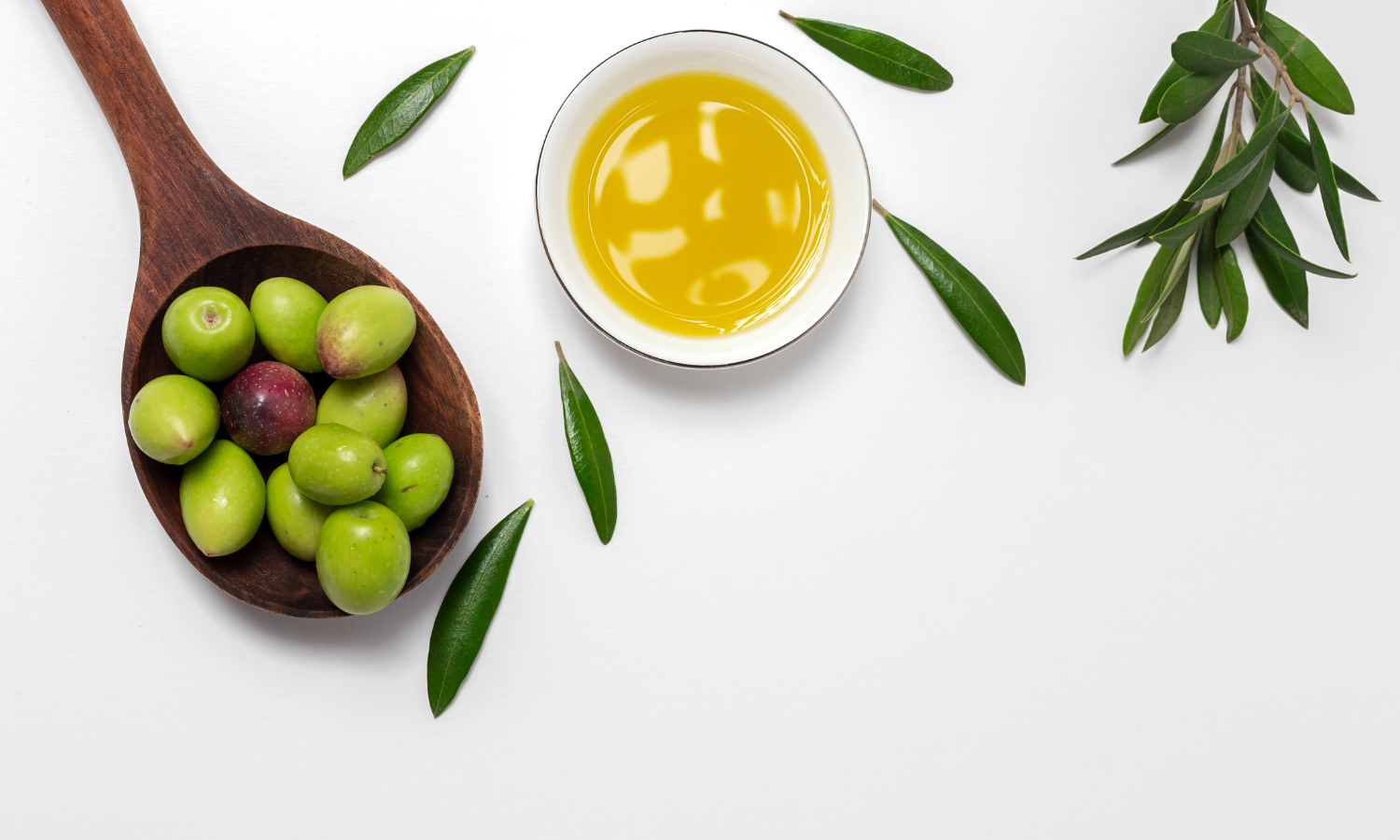
Olive oil is one of the most commonly used home remedies for psoriasis — accessible, natural, and demonstrably moisturising. Many people find it genuinely helpful for softening plaques and reducing dryness. Others find it worsens their skin. Both responses are explainable by the same ingredient.
Is olive oil good for psoriasis?
Olive oil can help soften dry, scaly skin and improve moisture levels, but it’s not a complete treatment for psoriasis.
Olive oil is often recommended online as a natural remedy for psoriasis. Some people swear it softens plaques and reduces dryness, while others say it makes their skin worse. So what’s the truth?
The answer: olive oil can be helpful in certain situations, but it’s not ideal for everyone — and in some cases, it may even trigger irritation.
Why olive oil can help psoriasis
Olive oil is primarily composed of oleic acid (a monounsaturated fatty acid at around 70–80% of its composition), alongside smaller amounts of linoleic acid, squalene, and polyphenols including oleocanthal and oleuropein — compounds with documented antioxidant and anti-inflammatory properties.
Applied topically, olive oil acts as an emollient and occlusive — it softens and lubricates the skin surface and reduces transepidermal water loss. For thick, dry psoriasis plaques, this can make scales noticeably softer and more manageable, reduce tightness, and improve overall skin comfort.
The polyphenols in extra virgin olive oil also have mild antioxidant activity when applied topically, providing some protection against the oxidative stress associated with chronic psoriatic inflammation.
Why olive oil can worsen psoriasis: the oleic acid mechanism
This is the most important information in the article and the explanation most people haven't heard.
Psoriasis — and particularly eczema — involves a compromised skin barrier with altered lipid composition. The healthy skin barrier relies on a specific mix of ceramides, cholesterol, and free fatty acids in tightly organised lamellar structures. Oleic acid, when applied topically in high concentrations, disrupts this organisation. It substitutes into the lipid bilayers of the stratum corneum, increasing membrane fluidity and permeability rather than maintaining the ordered structure that keeps moisture in and irritants out.
Research examining the effects of oleic acid on the skin barrier — including a frequently cited study in the context of atopic conditions — has shown that repeated application can increase transepidermal water loss and worsen barrier function in compromised skin. This is why some people with psoriasis find that olive oil provides short-term comfort but leaves skin feeling drier and more reactive over time with continued use.
The practical consequence: olive oil works better as an occasional pre-treatment to soften plaques before bathing than as a daily moisturiser. Used daily in large quantities, it can progressively compromise the barrier it appears to be supporting.
When olive oil might help psoriasis
Olive oil may be useful for:
softening thick, dry plaques
mild dryness between flare-ups
occasional moisture support
pre‑shampoo scalp treatments
mixing with other moisturizers for extra slip
A thin layer can help loosen flakes before a shower or bath, making them easier to remove without picking (which can create new lesions).
Pro Tip: Rinse thoroughly afterward and follow with a proper moisturier — don’t rely on olive oil alone.
It works best as a supportive step—not a primary treatment
The scalp application caveat
Scalp psoriasis is the most specific use case for olive oil — applied as a pre-shampoo treatment to loosen thick, adherent scales before washing. This is a legitimate and effective technique: warm olive oil left on the scalp for 20–30 minutes before shampooing helps soften and lift scale without mechanical scraping.
One important caution: olive oil is a rich substrate for Malassezia yeast — the same yeast that drives seborrhoeic dermatitis. For people who have seborrhoeic elements alongside their scalp psoriasis (the two often co-exist), repeated olive oil application to the scalp may encourage Malassezia overgrowth and worsen the seborrhoeic component. Using it occasionally as a pre-wash treatment rather than leaving it on overnight mitigates this risk.
Recommended Products
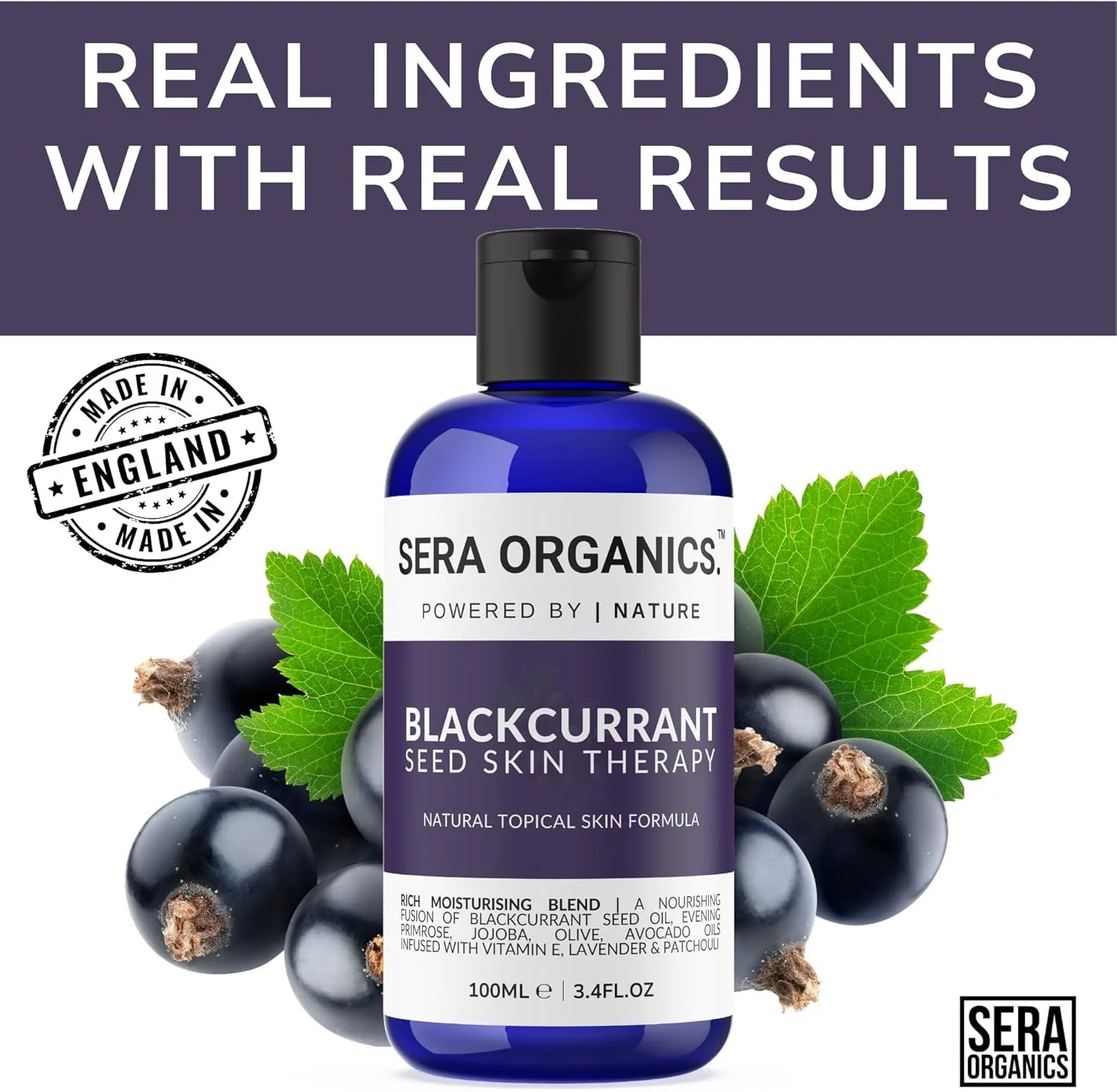
Blackcurrant Repair Oil
a blended face and body oil for dry, sensitive, eczema, and psoriasis-prone skin. The combination of oils — including evening primrose (GLA content) and jojoba (similar composition to skin's own sebum) — provides a more balanced fatty acid profile than pure olive oil, reducing the potential barrier-disruption effect of high oleic acid concentration.
Buy here
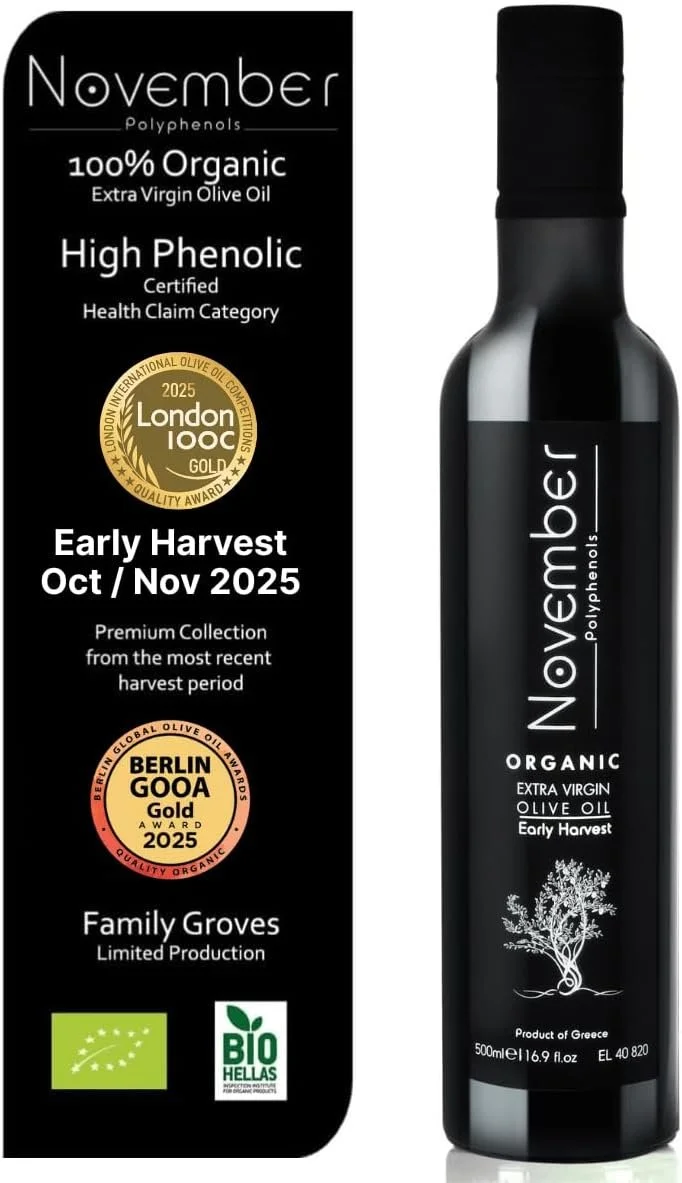
November Polyphenols Olive Oil Extra Virgin
a high-polyphenol extra virgin olive oil with measurably higher oleocanthal content than standard olive oil. For dietary use specifically — the elevated polyphenol content is what drives the anti-inflammatory benefit, and cheaper olive oils often have significantly lower polyphenol concentrations.
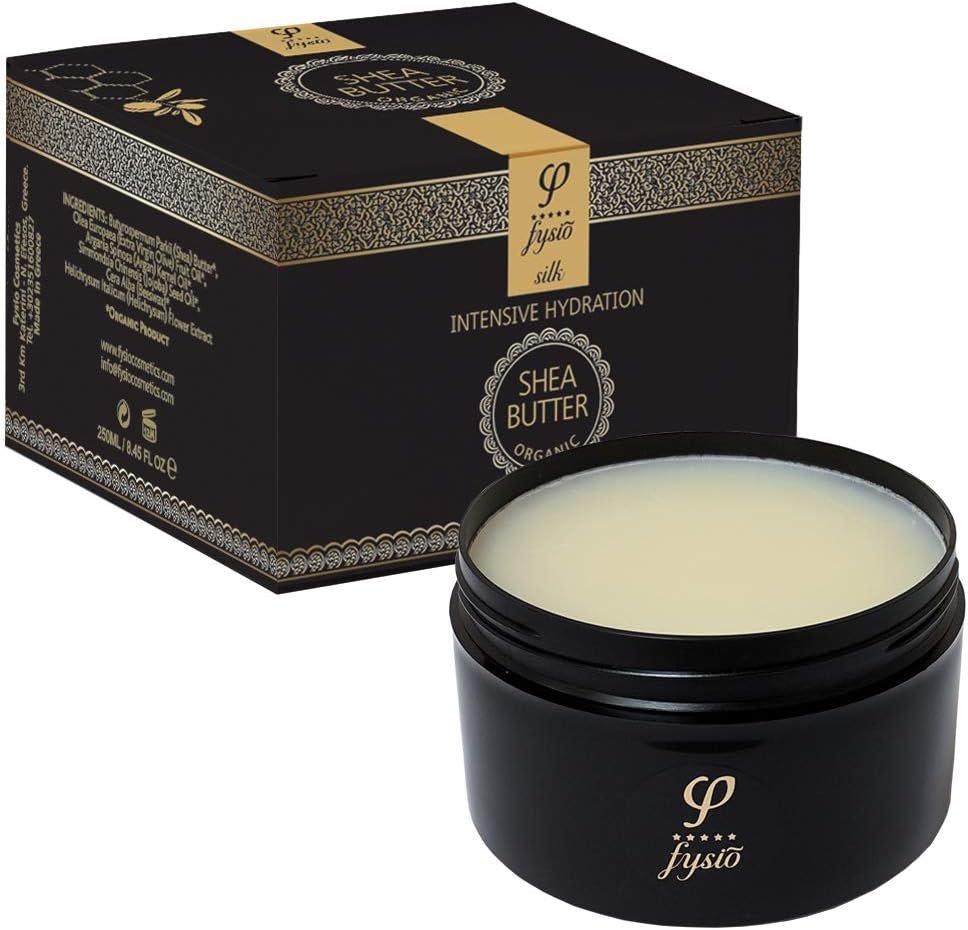
Fysio Organic Shea Butter
a rich, multi-ingredient body moisturiser combining shea butter (which has a more balanced fatty acid profile and documented anti-inflammatory properties from its triterpene content) with olive oil in a beeswax-stabilised formula. More suitable for daily emollient use on psoriasis-prone skin than pure olive oil.
Buy here
Skin support for psoriasis-prone skin
Topical olive oil addresses surface comfort only. The systemic inflammation, immune dysregulation, and nutritional factors driving psoriasis require a different approach.
Drought's Skin Support Formula provides 14 nutrients including vitamin D, zinc, vitamin C, and magnesium — addressing the internal nutritional foundations of psoriasis management alongside appropriate topical care. Made in the UK, suitable for vegetarians, designed for consistent long-term daily use.
When not to use olive oil on psoriasis
Avoid topical olive oil on:
Actively inflamed or burning psoriasis — oleic acid on already-compromised barrier skin may worsen irritation. Inverse psoriasis in skin folds — warm, moist fold environments are already optimal for Malassezia growth; oily products compound this. Very sensitive facial psoriasis — the skin is too thin and reactive for the concentrated fatty acid load.
Do not use olive oil as a daily whole-body emollient — the cumulative barrier disruption effect makes this counterproductive over time.
What works better for daily psoriasis moisturising
For consistent daily emollient use on psoriasis-prone skin, ceramide-containing creams, simple ointments (Cetraben, Epaderm, petroleum jelly), and purpose-formulated emollients provide more effective and more consistent barrier support than pure oils. These are covered in the psoriasis skincare routine article in this series.
Dietary olive oil: a different story
This is worth separating clearly because the evidence for topical and dietary olive oil are completely different.
Consumed as food, extra virgin olive oil provides oleocanthal — a polyphenol that inhibits COX-1 and COX-2 enzymes (the same enzymes inhibited by ibuprofen, at lower potency). It also provides hydroxytyrosol and other antioxidants with documented anti-inflammatory effects relevant to systemic inflammatory conditions including psoriasis.
The Mediterranean diet — which includes two to four tablespoons of olive oil daily — has the most consistent evidence of any dietary pattern for reducing psoriasis severity. Extra virgin olive oil is a key component of this benefit, not just olive oil generically.
FAQs: Olive oil and psoriasis
Is olive oil safe for psoriasis?
Conditionally — it depends on the presentation and application context. For softening thick, dry psoriatic scale before bathing, thin application of olive oil provides genuine emollient benefit through its fatty acid content. For actively inflamed, broken, or burning psoriatic plaques, olive oil's high oleic acid content disrupts ceramide synthesis in the stratum corneum — worsening the barrier deficit that psoriasis already compromises. The distinction between settled dry scale (olive oil can help) and active inflamed plaques (olive oil likely worsens) is the most practically important guidance the article can provide and the answer most readers are specifically looking for.
Can olive oil reduce psoriasis plaques?
It softens and loosens the visible scale on plaques without addressing the underlying keratinocyte hyperproliferation driving psoriasis. The oleocanthal content of extra virgin olive oil has documented COX-2 inhibitory activity — the same target as ibuprofen — but at concentrations achievable from topical application the systemic anti-inflammatory effect is negligible. Olive oil applied topically operates purely as an occlusive emollient softening scale rather than as an anti-inflammatory treatment. For genuine anti-inflammatory benefit from olive oil, dietary consumption provides oleocanthal at systemically relevant concentrations — topical application does not.
Can olive oil make psoriasis worse?
Yes — through two specific mechanisms. Oleic acid in olive oil (approximately 70% of its fatty acid composition) disrupts ceramide synthesis in the stratum corneum, worsening the lipid barrier deficit that psoriasis already compromises. Applied repeatedly or at high concentration on active plaques, this ceramide disruption outweighs the emollient softening benefit. The 2008 Cork et al. research demonstrating this mechanism specifically for barrier-compromised skin is the most important single finding in this space — explaining why olive oil, despite feeling moisturising on application, can produce net barrier worsening in psoriasis-prone skin with repeated use.
Can I use olive oil on scalp psoriasis?
With a specific caution — olive oil's oleic acid-dominant fatty acid profile feeds Malassezia yeast, the organism implicated in the seborrhoeic dermatitis overlap that makes scalp psoriasis particularly challenging to manage. Using olive oil as a pre-shampoo scalp treatment may temporarily soften scale while simultaneously promoting the Malassezia proliferation that drives the seborrhoeic component of scalp psoriasis. Coconut oil (high lauric acid content with documented Malassezia-inhibiting properties) is a more appropriate pre-shampoo scalp treatment than olive oil for psoriasis with seborrhoeic overlap. For pure plaque psoriasis without seborrhoeic involvement, olive oil scalp pre-treatment carries less Malassezia risk but the oleic acid barrier concern remains.
Is eating olive oil better than applying it for psoriasis?
Yes — considerably so. Dietary extra virgin olive oil provides oleocanthal at systemically relevant concentrations through oral absorption — producing genuine COX-2 inhibitory anti-inflammatory activity that topical application cannot achieve. The Mediterranean dietary pattern's most consistently documented psoriasis-relevant mechanism runs substantially through its olive oil component. One to two tablespoons of extra virgin olive oil daily in cooking or dressings provides the polyphenol and oleocanthal content with the strongest published anti-inflammatory evidence. The dietary route is more effective and avoids the oleic acid topical barrier disruption concern simultaneously.
How often should I use olive oil on psoriasis?
Occasionally rather than daily — thin application as a pre-bath scale-softening step one to two times weekly on settled, non-inflamed plaques is the most appropriate use pattern. Daily repeated application increases the cumulative oleic acid barrier disruption risk without proportionally increasing the scale-softening benefit. After any olive oil application, shower or bath to remove the oil rather than leaving it on skin indefinitely — residual olive oil left on psoriatic skin overnight increases both the oleic acid exposure time and the Malassezia feeding concern for scalp use specifically. Always apply emollient after washing off the olive oil while skin is still slightly damp.
What works better than olive oil for psoriasis moisturising?
For daily emollient use — ceramide-containing preparations (Epaderm, Cetraben, Doublebase) address the specific ceramide deficit that olive oil's oleic acid actually worsens, providing barrier repair rather than barrier disruption alongside occlusion. For scale softening specifically — urea 10–20% provides keratolytic activity that actively loosens scale rather than simply softening it, producing more complete scale management than any oil alone. For scalp pre-treatment — coconut oil's lauric acid content provides the pre-shampoo emollient benefit with Malassezia-inhibiting rather than Malassezia-feeding properties. For anti-inflammatory benefit from olive oil specifically — dietary consumption rather than topical application is the evidence-supported route..
Summary
Olive oil has legitimate uses for psoriasis — primarily as an occasional pre-treatment to soften plaques before bathing or showering, and as a scalp pre-shampoo treatment to loosen thick scale. The oleic acid content means repeated daily topical use can progressively disrupt rather than support the skin barrier, particularly on already-compromised psoriasis skin. Dietary extra virgin olive oil, by contrast, provides genuine anti-inflammatory polyphenol benefits as part of a Mediterranean dietary pattern. The most practical approach: use it occasionally and topically with appropriate caution, consume it daily as food, and rely on purpose-formulated emollients for consistent daily barrier support.
Written by the Drought Skin team — specialists in natural support for psoriasis and eczema.
Disclaimer: This article contains affiliate links. We earn a very small commission from each purchase made through these links. There is no additional cost to you. All products featured have been specifically selected as products we personally use and love. For further information, please see our disclaimer page.
-
Psoriasis Skincare Routine: What Actually Helps, What to Avoid & Common Mistakes
How to Treat Scalp Eczema: Causes, Symptoms & What Actually Helps
Bath Salts for Eczema & Psoriasis: What Actually Helps and How to Use Them
Nightshades & Psoriasis: Do They Really Trigger Flare-Ups?
Types of Psoriasis Explained: Symptoms, Appearance & How They Differ
