

Best Sunscreen Habits for Eczema-Prone Skin
Finding a sunscreen that doesn't irritate eczema-prone skin is hard — but not impossible. Here's what to look for, what to avoid, and specific products worth trying.
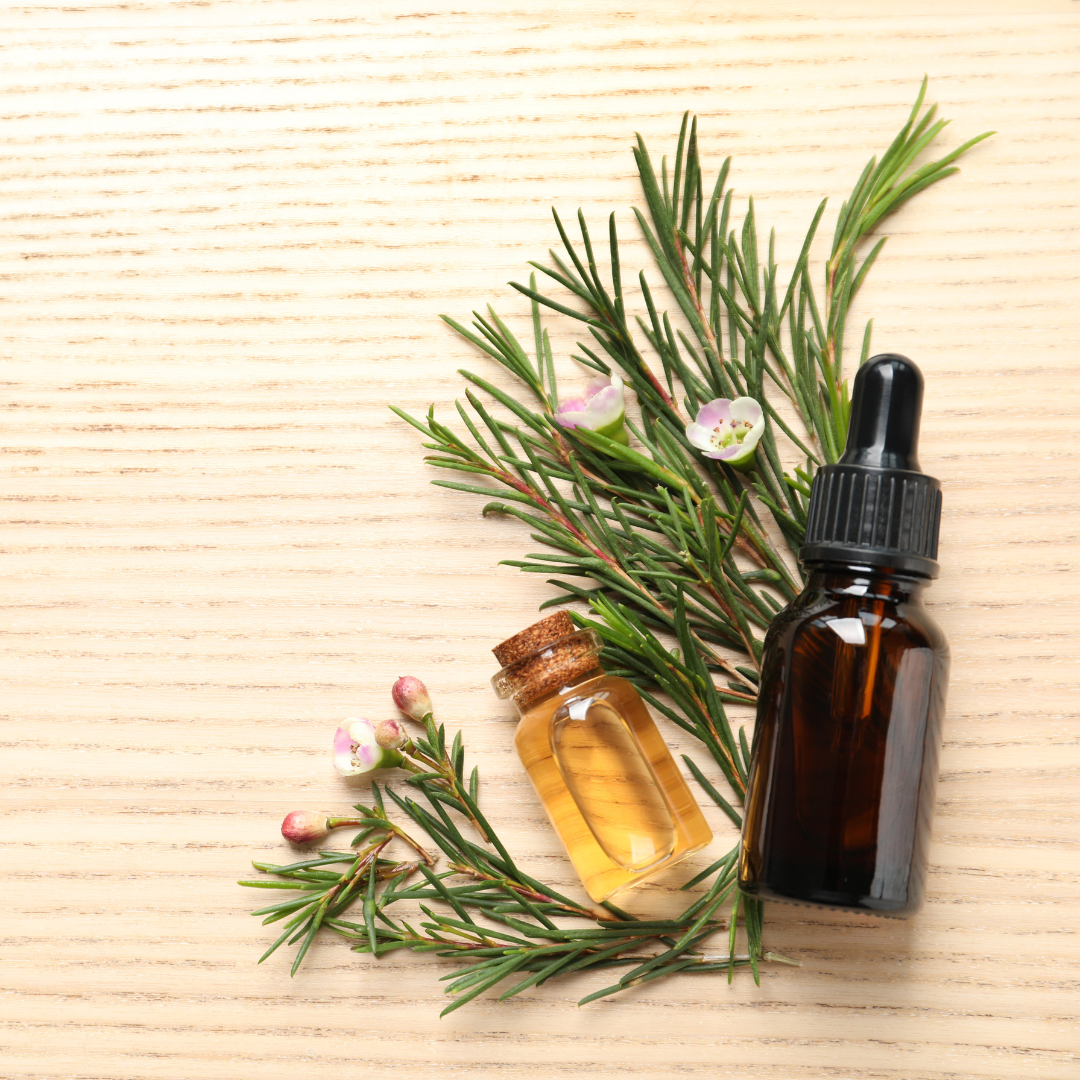
Tea Tree Oil for Eczema: The Terpinen-4-ol Mechanism, the Oxidation Risk & How to Use It Safely
Tea tree oil's terpinen-4-ol inhibits S. aureus — the bacterium most associated with eczema severity. But oxidised tea tree oil is significantly more allergenic than fresh, and contact sensitisation rates are high. Here's the honest picture.

Castor Oil for Psoriasis: The Ricinoleic Acid Mechanism, Koebner Risk & What Works Better
Castor oil's ricinoleic acid has mild anti-inflammatory properties — but its high viscosity means massage application carries a Koebner risk on psoriatic plaques. Here's when it helps and when to avoid it.

Sudocrem for Eczema: Helpful or Harmful?
Sudocrem is often tried for eczema — and it does help in specific situations. Here's an honest breakdown of when it works, when it irritates, and what the alternatives are.
Cetyl Alcohol for Acne: Safe or Pore-Clogging?
Cetyl alcohol appears in many skincare products — but is it safe for acne-prone skin? Here's what it is, why it's different from drying alcohols, and when to be cautious.

Olive Oil for Psoriasis: The Oleic Acid Barrier Concern, the Malassezia Scalp Risk & Better Alternatives
Olive oil softens psoriatic scale — but its oleic acid disrupts ceramide synthesis, and on the scalp it feeds Malassezia yeast worsening seborrhoeic overlap. Here's when it helps, when to avoid it, and what the dietary evidence shows

Tea Tree Oil for Acne: How It Works, What the Evidence Shows & Important Safety Considerations
Tea tree oil has genuine antimicrobial evidence for acne — but the oxidation risk, contact sensitisation, and undiluted application dangers are rarely addressed. Here's the honest picture.

Facial Eczema: Types, Causes, Treatments & the Best Skincare Routine
Facial eczema is more specific than it seems — different types need different treatment. Here's a clear guide to atopic, seborrhoeic, perioral and contact facial eczema and what helps each.

Essential Oils for Psoriasis: Which Help, Which Are Contact Allergens & the Koebner Application Risk
Frankincense's boswellic acid inhibits 5-lipoxygenase, chamomile's bisabolol has anti-inflammatory activity — but linalool oxidation and Koebner friction from application are the risks most articles miss. Here's the honest hierarchy.

Salicylic Acid & Eczema: When It Helps, When It Worsens Symptoms & What to Use Instead
Salicylic acid's keratolytic mechanism makes it useful for scalp eczema and thick dry patches — but its lipophilic penetration through compromised eczema barrier skin causes stinging and worsening in most presentations. Here's when to use it and when to avoid it.
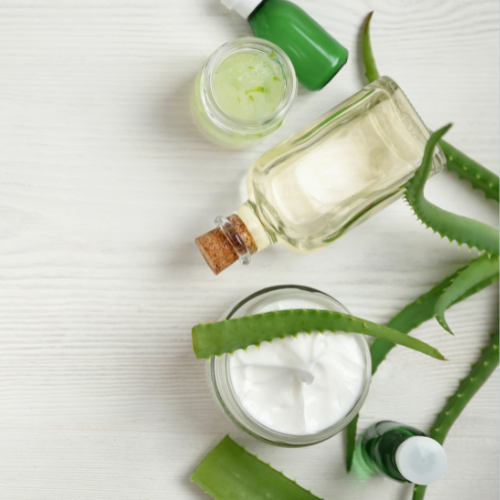
Aloe Vera for Eczema: The Acemannan Mechanism, What the Evidence Shows & the Aloin Safety Warning
Aloe vera's acemannan content has documented antimicrobial activity against S. aureus — the bacterium most associated with eczema severity. But aloin in whole-leaf preparations is a documented irritant. Here's what to use and what to avoid.

Coconut Oil for Psoriasis: Benefits, Limitations & How to Use It Safely
Coconut oil has specific properties relevant to psoriasis — particularly for the scalp and scale softening. Here's what it does well, what it doesn't, and the Malassezia caveat.