

Microplastics & Eczema: The TLR4 Inflammatory Mechanism, What the Research Shows & What to Do
Microplastic particles activate TLR4 receptors and trigger the same NF-κB inflammatory cascade that drives eczema — while nanoplastics penetrate eczema's compromised barrier more efficiently than intact skin. Here's what the research shows.

Flying with Eczema: The 10–15% Humidity Mechanism, Cortisol Stress Response & What to Do
Aircraft cabin humidity drops to 10–15% — far below the 40–60% threshold comfortable for eczema skin. Combined with cortisol stress elevation and recycled air histamine exposure, flying is one of the most specific eczema environments there is. Here's what helps.

A Psoriasis-Friendly Morning Routine: Step by Step
A psoriasis morning routine is about reducing inflammatory inputs before the day adds more. Here's a step-by-step guide with the reasoning behind each habit.

Can Vaping Make Eczema Worse? What the Evidence Actually Shows
Vaping is marketed as cleaner than smoking — but e-cigarette aerosol contains compounds that may worsen eczema through specific mechanisms. Here's what the evidence shows.

Best Sunscreen Habits for Eczema-Prone Skin
Finding a sunscreen that doesn't irritate eczema-prone skin is hard — but not impossible. Here's what to look for, what to avoid, and specific products worth trying.

Eczema in Summer: Why Heat Triggers Flares & What Actually Helps
Summer heat worsens eczema through specific mechanisms — heat-triggered histamine release, sweat irritation, and pollen overlap. Here's what's happening and what helps.

Vibration Plates for Psoriasis: What They Can Do, What They Can't & the Koebner Consideration
Vibration plates have no direct psoriasis evidence — but the exercise and inflammation relationship is real. Here's an honest look at what they can and can't do.
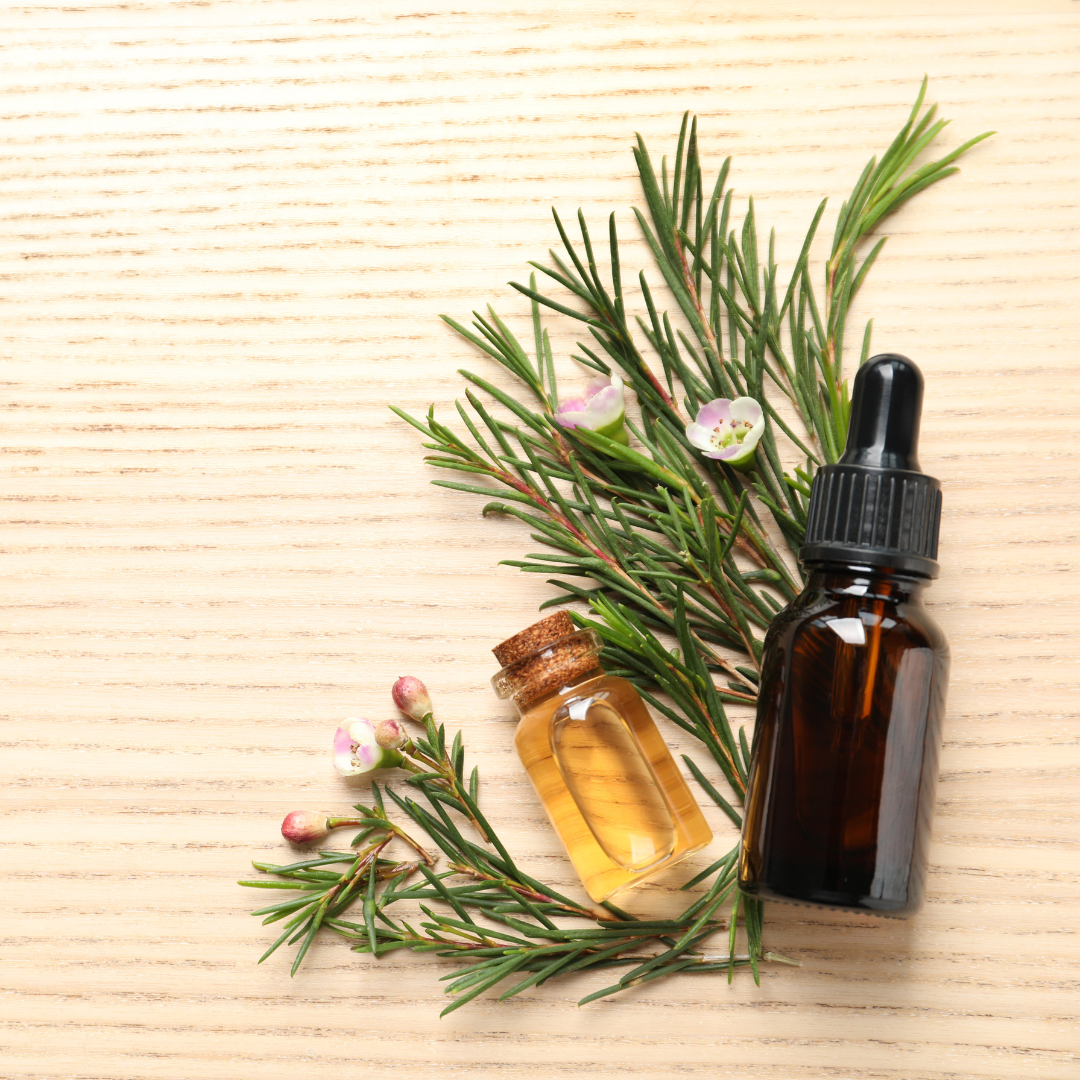
Tea Tree Oil for Eczema: The Terpinen-4-ol Mechanism, the Oxidation Risk & How to Use It Safely
Tea tree oil's terpinen-4-ol inhibits S. aureus — the bacterium most associated with eczema severity. But oxidised tea tree oil is significantly more allergenic than fresh, and contact sensitisation rates are high. Here's the honest picture.

Vitamin D and Eczema: What the Evidence Actually Shows
Vitamin D deficiency is more prevalent in eczema patients and linked to disease severity. Here's what it does, what the research shows, and the UK-specific context most articles miss.

Castor Oil for Psoriasis: The Ricinoleic Acid Mechanism, Koebner Risk & What Works Better
Castor oil's ricinoleic acid has mild anti-inflammatory properties — but its high viscosity means massage application carries a Koebner risk on psoriatic plaques. Here's when it helps and when to avoid it.

The Contraceptive Pill & Eczema: Oestrogen, Progesterone Sensitivity & Nutrient Depletion Explained
The contraceptive pill depletes zinc, magnesium, and B6 — all specifically relevant to eczema barrier function and immune regulation. Here's the hormonal mechanism and what to do about it

Olive Oil for Psoriasis: The Oleic Acid Barrier Concern, the Malassezia Scalp Risk & Better Alternatives
Olive oil softens psoriatic scale — but its oleic acid disrupts ceramide synthesis, and on the scalp it feeds Malassezia yeast worsening seborrhoeic overlap. Here's when it helps, when to avoid it, and what the dietary evidence shows