
CBD and Psoriasis: How It Works, What the Research Shows & What to Look For

CBD (cannabidiol) has attracted significant interest for psoriasis management — partly because psoriasis is an inflammatory condition, and CBD has documented anti-inflammatory and anti-proliferative properties in laboratory research. The evidence base is developing and the marketing often outpaces the science. Here is an honest account of the mechanism, what the published research shows, and what to look for in products.
Does CBD Help Psoriasis? Benefits, Risks & What the Research Says
CBD has become one of the biggest wellness trends in recent years.
It’s now found in:
Oils
Creams
Balms
Supplements
Skincare products
And because psoriasis is an inflammatory skin condition, many people wonder whether CBD could help reduce:
Itching
Redness
Scaling
Flare-ups
So, does CBD actually help psoriasis?
The answer is: early research looks promising in some areas, especially for inflammation and itching, but evidence is still limited and results vary significantly between individuals.
How CBD works: the endocannabinoid system mechanism
CBD's potential relevance to psoriasis runs through the endocannabinoid system (ECS) — a network of receptors (CB1 and CB2) expressed throughout the body, including in keratinocytes, sebocytes, immune cells, and nerve fibres in the skin.
CB2 receptors — expressed in immune cells including T-cells — are particularly relevant to psoriasis. CB2 activation has documented immunomodulatory effects, including reduction of pro-inflammatory cytokine production. Given that psoriasis is driven by dysregulated T-cell activity producing IL-17, IL-23, and TNF-α, CB2 receptor modulation in immune cells represents a potentially relevant anti-inflammatory pathway.
CB1 receptors in skin nerve fibres are involved in itch signalling. CBD's interaction with CB1 receptors (alongside its modulation of TRPV1 receptors — the same receptors involved in capsaicin-mediated itch) provides a mechanistic rationale for the itch-reducing effects some people report.
Keratinocyte proliferation. In vitro studies have found that CBD inhibits keratinocyte proliferation — directly relevant to psoriasis's accelerated skin cell turnover. This is one of the more specific mechanistic findings in the CBD-psoriasis literature.
These mechanisms are specific and plausible. They don't yet have the clinical trial validation of prescription psoriasis treatments, but they go beyond vague "anti-inflammatory" claims.
What the research actually shows
A 2022 double-blind placebo-controlled study found topical CBD cream applied twice daily for 12 weeks produced significant improvements in psoriasis symptom scores compared to placebo — including reductions in itch, scaling, and dryness. This is one of the more rigorous published trials in this area.
A 2024 systematic review of cannabinoid treatments for inflammatory skin conditions found consistent evidence of benefit for itch reduction across conditions including psoriasis, with CBD's anti-proliferative effects on keratinocytes supporting its mechanistic relevance.
A randomised trial examining oral CBD for psoriasis found it was well-tolerated but did not significantly reduce overall PASI scores, though some participants experienced itch and sleep improvements.
The honest summary: topical CBD has more promising early evidence for psoriasis symptoms (particularly itch) than oral CBD. Large-scale, long-term randomised controlled trials are still needed. The evidence is developing — it is not established in the way that calcipotriol or methotrexate evidence is, but it is more than anecdote
Potential Benefits of CBD for Psoriasis
Some people report benefits such as:
Possible benefits may include:
Reduced itching
Calmer-feeling skin
Improved hydration
Reduced irritation
Better skin comfort
Some studies suggest CBD may also influence inflammatory signals involved in psoriasis.
Many reported benefits focus on symptom comfort rather than permanent clearing of psoriasis.
Limitations & Downsides of CBD
Despite the hype, CBD is not a guaranteed psoriasis solution.
Research Is Still Limited
Most studies so far are:
Small
Short-term
Early-stage
More large-scale human studies are still needed.
The science is promising, but not yet definitive.
Products Vary Massively
CBD products can differ hugely in:
Quality
Strength
Ingredients
Purity
Some products may also contain:
Fragrance
Essential oils
Irritating additives
Which could aggravate sensitive psoriasis-prone skin.
The overall formula matters just as much as the CBD itself.
CBD Isn’t a Cure for Psoriasis
Psoriasis is a complex inflammatory condition influenced by:
Stress
Sleep quality
Lifestyle habits
Immune activity
Environmental triggers
This is why no single cream, oil, or supplement works perfectly for everyone.
Many people focus on long-term skin support rather than quick fixes alone.
Topical vs oral CBD: why topical appears more promising
Topical CBD applied to psoriasis-affected skin interacts with ECS receptors in the epidermis and dermis directly, without requiring absorption through the gut and first-pass hepatic metabolism. This produces higher local concentrations at the target site (keratinocytes, skin immune cells) without the bioavailability limitations of oral CBD.
Oral CBD's systemic absorption is notoriously inconsistent — bioavailability from oral preparations varies from approximately 6–19% depending on formulation and individual factors. This makes it harder to achieve consistent therapeutic concentrations systemically.
For psoriasis specifically, where the relevant ECS receptors are in the skin, topical application is mechanistically more logical than oral for direct skin effects. Oral CBD may provide more benefit for the stress and sleep dimensions of psoriasis (through central ECS modulation) rather than direct skin effects.
The UK regulatory context: what matters for product quality
In the UK, CBD products are regulated as novel foods (oral preparations) by the Food Standards Agency, and topical CBD products fall under cosmetics regulation. This means:
Quality control between products varies significantly — some products contain considerably less CBD than labelled. Third-party testing (Certificate of Analysis from an independent laboratory) is the minimum quality assurance for any CBD product worth considering. Full-spectrum preparations (containing multiple cannabinoids) may have enhanced effects versus CBD isolate through the "entourage effect" — though the evidence for this in psoriasis specifically is limited.
Products worth considering
(Affiliate links — we may earn a small commission at no extra cost to you.)
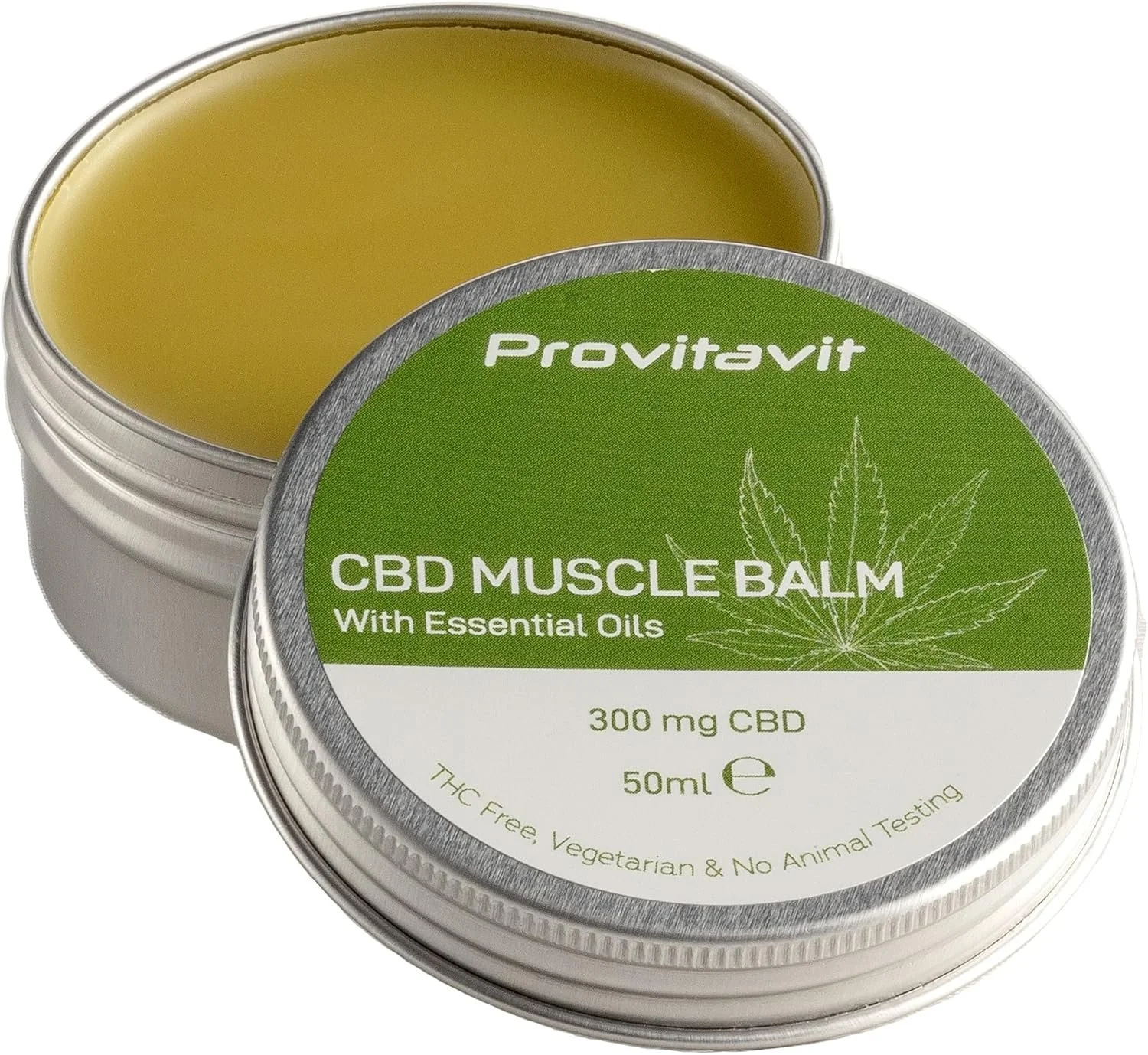
Provitavit CBD Muscle Balm
a topical CBD balm with a meaningful CBD concentration and a fragrance-free base appropriate for psoriasis-prone skin. Check the current ingredient list to confirm fragrance-free status before purchasing.
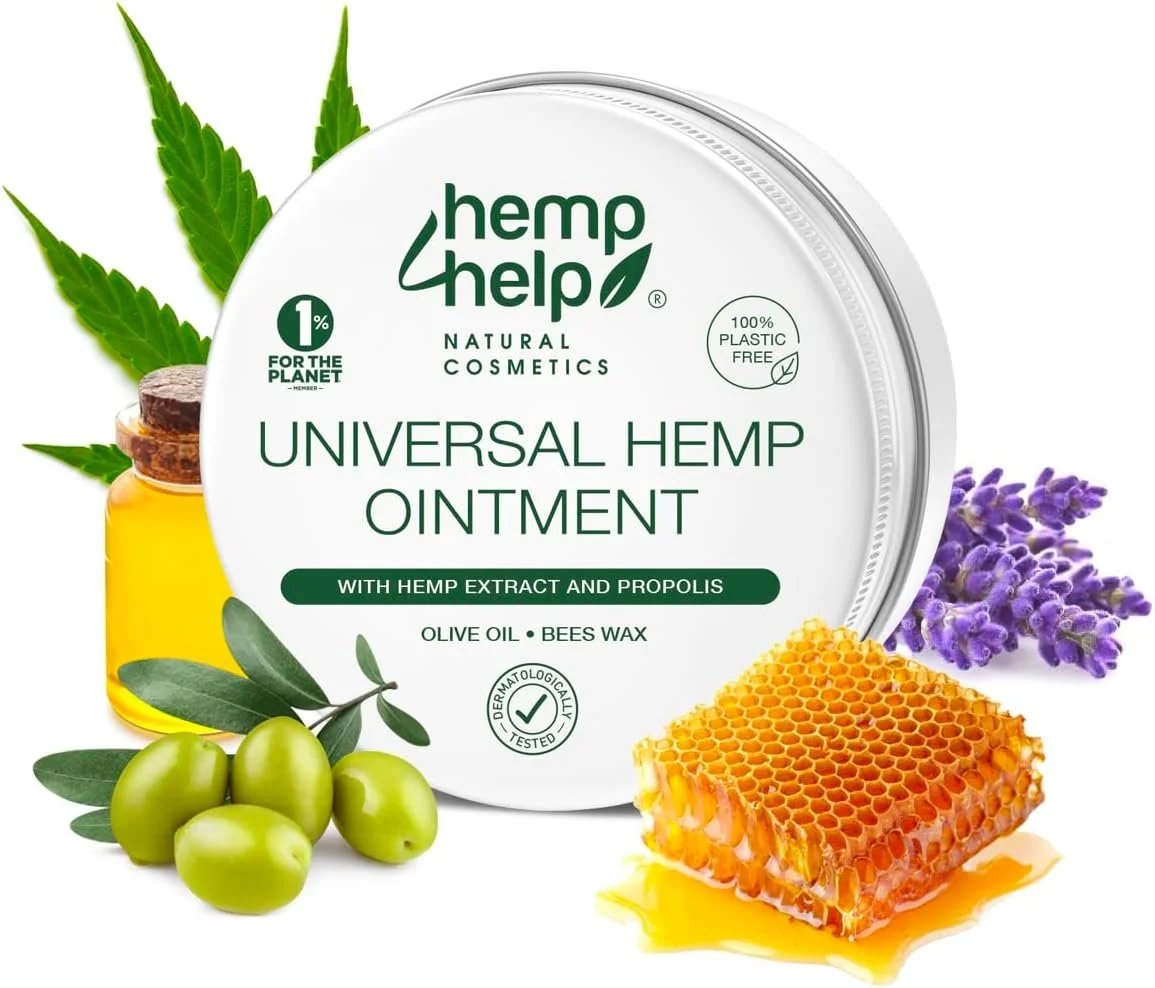
Hemp Help Manuka Honey & Hemp Healing Ointment
combines hemp seed oil (GLA and balanced omega fatty acids) with manuka honey (documented S. aureus antimicrobial activity). Hemp seed oil is not CBD — it doesn't contain cannabinoids — but provides its own skin-relevant fatty acid profile. A different mechanism from CBD, but appropriate for psoriasis-prone skin.
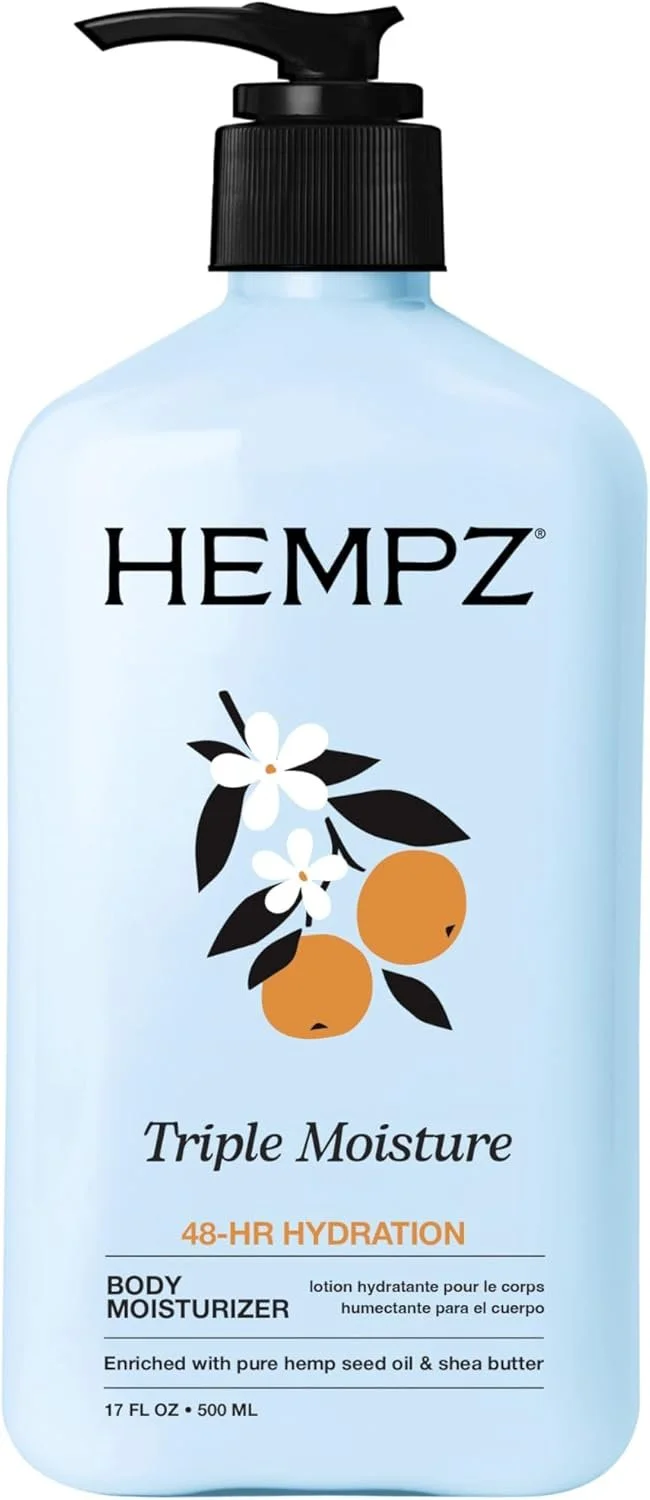
Hempz Natural Hemp Seed Oil Triple Moisture Body Moisturiser
a hemp seed oil-based moisturiser. As with the Hemp Help product, this provides fatty acid barrier support rather than cannabinoid effects.
How to assess a CBD product for psoriasis
Look for: documented CBD concentration in mg per unit, third-party Certificate of Analysis confirming actual CBD content and absence of THC above legal limits, fragrance-free formulation base, and no essential oils or additional botanicals that increase sensitisation risk for psoriasis-prone skin.
Realistic expectations
CBD topicals for psoriasis are most appropriately positioned as a comfort-focused adjunct — addressing itch and surface irritation — rather than a disease-modifying treatment. They don't modulate the Th17 immune dysregulation at the level that prescription biologics, calcipotriol, or phototherapy do. For mild psoriasis with prominent itch, topical CBD may provide meaningful symptomatic benefit. For moderate-to-severe psoriasis, CBD is a supplement to, not a substitute for, appropriate medical management.
Supplement Support for Psoriasis-Prone Skin
CBD addresses the surface level of psoriasis and potentially the itch dimension through ECS modulation. The systemic immune dysregulation, nutritional deficiencies, and inflammatory burden require complementary internal support.
Drought's Skin Support Formula provides vitamin D, zinc, vitamin C, magnesium, and 10 other nutrients — addressing the internal nutritional dimensions of psoriasis management that CBD cannot reach. Made in the UK, suitable for vegetarians, designed for consistent long-term daily use.
FAQ
Does CBD cure psoriasis?
No — and this is important to establish clearly given the marketing language surrounding CBD. Psoriasis is driven by Th17 immune dysregulation with a strong genetic component that no topical or oral preparation currently corrects at root. What CBD can plausibly contribute is symptom modulation — reducing itch through TRPV1 pathway inhibition, reducing local inflammatory cytokine production through CB2 receptor activity, and potentially slowing keratinocyte proliferation in the affected area. These are genuine and specific mechanisms — but they address symptoms rather than the underlying immune process. Realistic expectation: CBD as a complementary adjunct that reduces itch and scaling discomfort alongside, not instead of, established treatment.
Does CBD help psoriasis?
Early research — particularly a 2022 placebo-controlled trial — found topical CBD improved psoriasis symptoms including itch and scaling. The evidence is developing and not yet equivalent to established treatments.
Can CBD replace psoriasis medication?
No — and there is a specific drug interaction concern worth knowing. CBD is metabolised by CYP3A4 and CYP2C9 liver enzymes — the same pathways that process ciclosporin, some biologics, and several other systemic psoriasis treatments. At oral doses, CBD can inhibit these enzymes and potentially alter the blood levels of co-administered medications. Topical CBD at normal cosmetic use levels is unlikely to produce significant systemic CYP inhibition — but anyone on systemic psoriasis medication considering oral CBD supplementation should discuss with their GP or pharmacist before starting. This is a specific clinical caution rather than a reason to avoid CBD categorically.
Is topical CBD better than oral CBD for psoriasis?
Topical has more promising current evidence for direct skin symptoms, particularly itch. Oral CBD has inconsistent bioavailability and mixed PASI results.
Can CBD creams irritate psoriasis?
Yes — if the formulation contains fragrance, essential oils, or other additives. Check for fragrance-free, minimal-ingredient formulations
How does CBD work for psoriasis?
Through CB2 receptor modulation in skin immune cells (anti-inflammatory), CB1/TRPV1 modulation for itch signalling, and in vitro inhibition of keratinocyte proliferation.
Is CBD regulated in the UK?
Oral CBD is regulated as a novel food by the Food Standards Agency. Topical CBD falls under cosmetics regulation. Quality varies — third-party tested products are essential.
Summary
CBD has a specific and mechanistically coherent rationale for psoriasis — CB2 receptor modulation in skin immune cells, CB1/TRPV1 modulation for itch signalling, and in vitro anti-proliferative effects on keratinocytes. Early clinical evidence — particularly from a 2022 placebo-controlled trial — supports topical CBD for symptom improvement including itch reduction. Oral CBD has less consistent evidence for PASI improvement. Product quality varies significantly; third-party testing is essential. CBD topicals are a symptomatic complement to, not a substitute for, appropriate psoriasis management.
Written by the Drought Skin team — specialists in natural support for psoriasis and eczema.
Disclaimer: This article contains affiliate links. We earn a very small commission from each purchase made through these links. There is no additional cost to you. All products featured have been specifically selected as products we personally use and love. For further information, please see our disclaimer page.
-
Vitamins & Supplements for Psoriasis: What the Evidence Shows
Essential Oils for Psoriasis: What May Help, What to Be Cautious About
Herbal Treatments for Psoriasis: Evidence, Risks & What Actually Works
Emollients for Psoriasis: Which Type Works Best & How to Use Them
Psoriasis & Eczema Triggers: What Causes Flare-Ups & How to Identify Yours
