
Omega-3 for Eczema: The EPA Eicosanoid Mechanism, ALA Conversion Rate & Which Form Works Best

Omega-3 fatty acids have one of the better-evidenced nutritional cases for eczema — not through vague anti-inflammatory effects, but through a specific enzymatic pathway that directly reduces the inflammatory signalling driving eczema. Understanding the mechanism makes the difference between EPA/DHA and ALA (the plant omega-3) clear, and explains why "eating more seeds" doesn't produce the same effect as fish oil.
What is omega-3?
Omega-3 fatty acids are essential fats your body can’t produce on its own.
The main types are:
EPA (eicosapentaenoic acid) – anti‑inflammatory and found mainly in oily fish
DHA (docosahexaenoic acid) – supports cell structure and nervous‑system balance
ALA (alpha‑linolenic acid) – plant‑based omega‑3 from seeds and nuts that converts to EPA/DHA in small amounts
These fats play a key role in inflammation, immune function, and skin health.
Can omega-3 help eczema?
Omega-3 fatty acids may help reduce inflammation, support the skin barrier, and improve dryness — but they're not a guaranteed treatment for eczema, and the mechanism behind whatever benefit they provide is more specific than the generic "omega-3 is anti-inflammatory" framing suggests. EPA and DHA compete directly with arachidonic acid for the cyclooxygenase and lipoxygenase enzymes that produce the inflammatory leukotrienes and prostaglandins relevant to eczema — shifting the balance toward less inflammatory series-3 and series-5 variants rather than eliminating inflammation entirely. This is a genuine and coherent mechanism, which explains why the clinical evidence shows consistent but modest rather than dramatic benefit. It also explains why the source matters: EPA and DHA from fish oil provide this benefit directly, while ALA from plant sources like flaxseed converts to EPA at only 5–10% efficiency — a meaningful distinction for the large plant-based audience investigating omega-3 for eczema.
The mechanism: how EPA reduces eczema inflammation
EPA (eicosapentaenoic acid) reduces eczema-relevant inflammation through competitive inhibition at the cyclooxygenase (COX) and lipoxygenase (LOX) enzyme pathways.
Here's the specific process: the inflammatory compounds most relevant to eczema — leukotriene B4, prostaglandin E2, and thromboxane A2 — are produced from arachidonic acid (AA), an omega-6 fatty acid abundant in western diets, by COX and LOX enzymes. EPA is structurally similar to AA and competes for the same enzymes. When EPA is present, it displaces AA from the enzyme active sites, producing different (less inflammatory) eicosanoids in its place — including prostaglandin E3 and leukotriene B5, which have considerably lower inflammatory potency.
This is a direct and specific displacement mechanism — EPA is not simply "reducing inflammation." It is substituting into the same enzymatic pathway and producing less inflammatory outputs. The more EPA is incorporated into cell membranes relative to AA, the more the inflammatory signalling balance shifts.
For eczema specifically, leukotriene B4 is a potent chemoattractant for neutrophils and eosinophils (inflammatory immune cells) and directly worsens barrier dysfunction and itch. Reducing leukotriene B4 production through EPA competition is one of the most mechanistically specific anti-eczema effects available from a nutritional intervention.
DHA (docosahexaenoic acid) contributes differently — it is incorporated into cell membranes, influencing their fluidity and the signalling cascades triggered by receptor activation. DHA is also a precursor to resolving and protectin compounds, which actively resolve inflammation rather than just preventing it.
What the research shows
A 2020 systematic review and meta-analysis specifically examining omega-3 supplementation in atopic dermatitis found that consistent EPA/DHA supplementation produced statistically significant improvements in SCORAD scores in both adults and children. The effects were most pronounced in people with higher baseline AA:EPA ratios (those with higher omega-6 dietary intake) and in studies using higher doses.
The benefit is real but modest in absolute terms — omega-3 is a supporting nutritional intervention, not a standalone treatment for eczema. It works most meaningfully as part of a consistent nutritional approach alongside vitamin D, zinc, and appropriate skincare.
The skin barrier lipid connection
EPA and DHA are incorporated into skin cell membrane phospholipids. The composition of these membranes influences barrier integrity and permeability — membranes with higher omega-3 content are less permeable to water and irritants than those dominated by saturated and omega-6 fatty acids. This provides a direct structural mechanism for why consistent omega-3 intake supports skin barrier function in eczema beyond the immune modulation effect.
Omega-3 and eczema prevention
Some research suggests:
higher omega-3 levels are linked to lower risk of eczema
early fish intake may reduce eczema risk in children
This suggests omega-3 may play a protective role, but it’s not definitive.
How much EPA/DHA and in what form
Clinical research on omega-3 for skin conditions typically uses 1,000–2,000mg combined EPA+DHA daily. Studies using higher EPA:DHA ratios (more EPA relative to DHA) show stronger effects for inflammatory skin conditions — consistent with EPA's eicosanoid competition being the primary eczema-relevant mechanism.
Fish oil from oily fish (sardines, mackerel, anchovies) is the most common source, with most supplements providing EPA and DHA in a 1.5:1 to 2:1 ratio. Look for supplements that specify the EPA and DHA content separately rather than just "omega-3 content" — triglyceride form is generally better absorbed than ethyl ester form.
Algae-based omega-3 is the appropriate alternative for vegetarians and vegans — it provides EPA and DHA directly from the original source (microalgae), bypassing the fish entirely. This is how fish accumulate omega-3 in the first place. Algae oil typically provides a lower EPA:DHA ratio than fish oil but is nutritionally equivalent in providing direct EPA and DHA.
Why ALA from plant sources is insufficient
This is the most consistently misunderstood aspect of omega-3 and eczema, and it has direct practical implications.
ALA (alpha-linolenic acid) — the omega-3 in flaxseeds, chia seeds, walnuts, and hemp seeds — is a precursor to EPA and DHA. However, the conversion from ALA to EPA in the human body is inefficient: approximately 5–10% of dietary ALA converts to EPA under favourable conditions. DHA conversion from ALA is even lower — approximately 2–4%.
For the eicosanoid competition pathway to work effectively, EPA needs to be present in cell membranes at concentrations that allow meaningful displacement of AA. The small amounts of EPA produced from typical dietary ALA intake don't achieve this. This is why studies examining plant-based omega-3 sources for eczema show less consistent results than those using direct EPA/DHA from fish or algae oil.
Additionally, the omega-6 to omega-3 ratio matters. Western diets typically provide an omega-6 to omega-3 ratio of approximately 15:1 to 20:1, when the ratio associated with reduced inflammatory signalling is closer to 4:1. The higher the dietary omega-6 load (from seed oils in processed food), the more AA is available for the inflammatory pathway and the more EPA is needed to displace it.
Practical guidance
Take omega-3 with a fat-containing meal — it is fat-soluble and absorption is significantly improved with dietary fat.
Allow 8–12 weeks of consistent daily use before assessing effect. The competitive displacement of AA from cell membranes takes time as existing membrane phospholipids are replaced.
Simultaneously reducing omega-6 dietary intake — from seed oils in processed foods, fried food, and processed snacks — increases the relative EPA proportion without needing to increase the omega-3 dose. The ratio matters as much as the absolute quantity.
Recommended Products
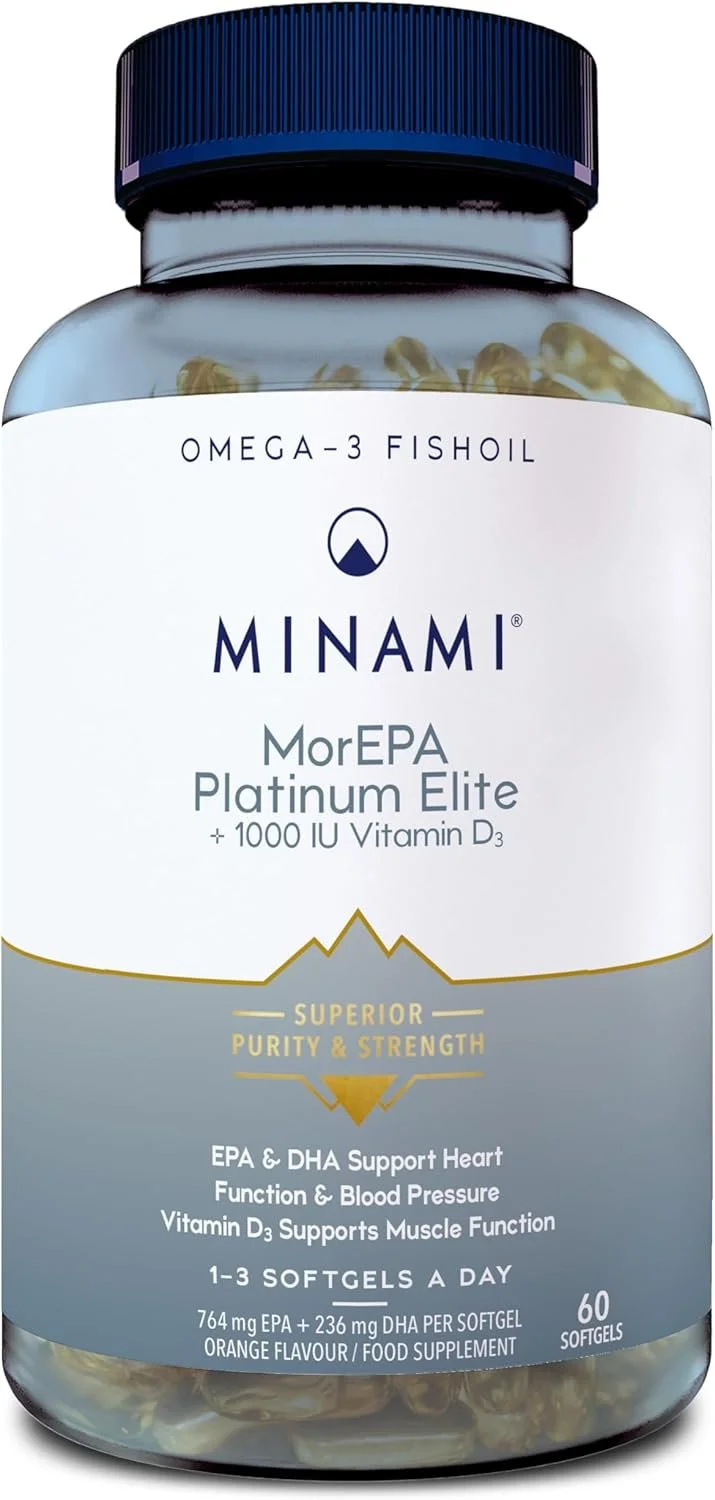
Minami MorEPA Platinum + Vitamin D3
a highly concentrated omega-3 supplement providing 764mg EPA and 236mg DHA per softgel alongside vitamin D3, extracted via supercritical CO2 processing that removes heavy metals, solvents, and contaminants to exceed European purity standards. The high EPA concentration is specifically relevant for the eicosanoid competition mechanism most directly applicable to inflammatory skin conditions — EPA competes with arachidonic acid for the same enzymes, shifting leukotriene production toward less inflammatory variants. The addition of vitamin D3 makes this particularly well-suited to the eczema audience given vitamin D's documented role in filaggrin expression and Th2 immune regulation. Sourced from anchovy, sardine, and mackerel from sustainably certified fisheries.
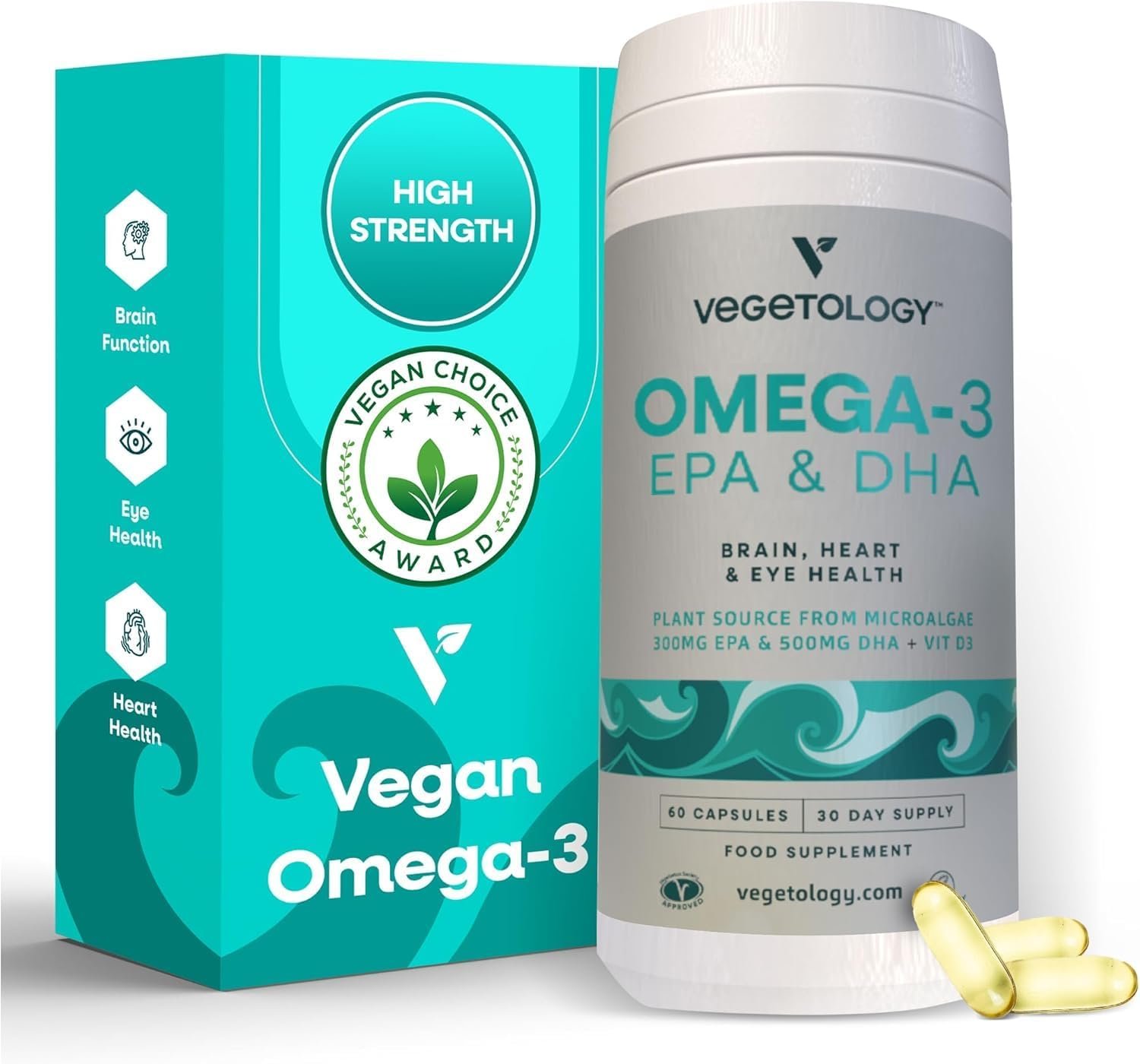
Vegetology Opti3 Omega-3 EPA & DHA
an algae-derived omega-3 providing direct EPA and DHA without fish oil, appropriate for vegetarians, vegans, and anyone who prefers a plant-based source. As covered above, algae is the original source of the EPA and DHA that accumulates in fish — providing the same direct eicosanoid competition benefit as fish oil without the ALA conversion limitation of flaxseed or walnuts.
How Long Until You See Results?
Most people notice improvements within 6–12 weeks of consistent omega‑3 intake. Skin becomes less dry, calmer, and less reactive over time. Pair supplements with gentle skincare and good nutrition for lasting effects.
Safety and Considerations
Omega‑3s are safe for most people but may cause minor stomach upset at high doses. Check with your GP if you:
take blood‑thinning medication
have a bleeding disorder
are pregnant or breastfeeding (for dosage guidance)
Stick to recommended amounts (around 1000–2000 mg combined EPA/DHA daily).
Skin support for eczema-prone skin
Omega-3 addresses the eicosanoid inflammatory pathway. The other major nutritional pathways in eczema — filaggrin upregulation (vitamin D), immune regulation (zinc), stress response (magnesium) — require complementary nutrients.
Drought's Skin Support Formula provides vitamin D, zinc, vitamin C, magnesium, and 10 other nutrients alongside the conditions for omega-3's effects to be most beneficial — providing the multi-pathway nutritional foundation for eczema management. Made in the UK, suitable for vegetarians, designed for consistent long-term daily use.
FAQs: Omega-3 and eczema
Does omega-3 help eczema?
Yes — through a specific eicosanoid mechanism rather than general anti-inflammatory activity. EPA (eicosapentaenoic acid) competes with arachidonic acid for cyclooxygenase and lipoxygenase enzymes, shifting leukotriene production toward less inflammatory series-5 variants and reducing leukotriene B4 — a pro-inflammatory eicosanoid specifically elevated in eczema-affected skin. DHA incorporates into skin cell membranes, improving their fluidity and reducing transepidermal water loss relevant to eczema's barrier deficit. A 2020 review in Nutrients found omega-3 supplementation consistently reduced eczema severity scores (SCORAD and EASI) across multiple trials in both adults and children. Results are more consistent for inflammatory eczema than for predominantly dry or contact eczema — the eicosanoid mechanism is most relevant where inflammation is the primary driver.
How long does omega-3 take to work for eczema?
Six to twelve weeks of consistent daily supplementation is the minimum meaningful assessment period. EPA's eicosanoid competition requires sustained elevated tissue EPA levels before the shift in leukotriene production becomes clinically meaningful — this takes several weeks of consistent intake to establish. DHA membrane incorporation is similarly gradual. Most published trials showing eczema improvement run for eight to sixteen weeks — shorter supplementation periods don't allow sufficient time for the tissue-level changes relevant to eczema to develop. Improvements are typically gradual — reduced itch intensity, calmer baseline skin reactivity, and less frequent flares rather than rapid clearing.
Is fish oil or algae oil better for eczema?
Both provide EPA and DHA directly and both address the eicosanoid mechanism — the difference is source rather than efficacy. Fish oil is the most studied format with the strongest published evidence base. Algae oil provides the same EPA and DHA compounds from the original marine source — fish obtain their omega-3 by eating algae, making algae supplementation equivalent in mechanism and increasingly comparable in published evidence. For people following vegan or vegetarian diets, algae oil is the only direct EPA and DHA source available — and is specifically more effective than relying on ALA from plant foods, which converts to EPA at only 5–10%.
Do plant-based omega-3 sources work for eczema?
Not reliably — and the 5–10% ALA conversion rate is the specific reason. Flaxseed, chia seeds, hemp seeds, and walnuts all provide ALA (alpha-linolenic acid) — a plant-source omega-3 that requires conversion to EPA and DHA to produce the eicosanoid effects relevant to eczema. This conversion occurs at only 5–10% efficiency in most people, meaning even high dietary ALA intake delivers negligible EPA at the tissue level. Milled flaxseed provides genuine eczema value through its prebiotic fibre content for gut microbiome support — but for the specific eicosanoid competition mechanism, only direct EPA and DHA from fish oil or algae oil is sufficiently efficient.
How much omega-3 should I take for eczema?
Most published eczema trials use 1,000–2,000mg combined EPA and DHA daily — with higher EPA concentrations showing the most consistent results given EPA's direct eicosanoid mechanism. Calculate the EPA and DHA content from the supplement label rather than the total fish oil weight — a 1,000mg fish oil capsule may provide only 300mg combined EPA and DHA depending on the concentration. High-concentration fish oil supplements (like Minami MorEPA Platinum) provide more EPA and DHA per capsule than standard fish oil, requiring fewer capsules for an equivalent dose. Discuss with your GP before exceeding 3,000mg EPA and DHA combined daily given omega-3's mild antiplatelet activity at higher doses.
Can children take omega-3 for eczema?
Yes — omega-3 supplementation is appropriate and well-studied in children with eczema. Published research includes multiple paediatric trials showing reductions in eczema severity scores with EPA and DHA supplementation. Use an age-appropriate dose — typically 500–1,000mg combined EPA and DHA daily for children under twelve, following the specific product's dosage guidance for the child's weight and age. Algae oil is a particularly appropriate format for children who don't eat oily fish — it avoids the fish allergy concern that makes some parents cautious about fish oil in atopic children who have elevated food allergy rates.
Is it better to get omega-3 from food or supplements for eczema?
Food sources are preferable where achievable — two to three servings of oily fish (salmon, mackerel, sardines, herring) weekly provides approximately 1,000–2,000mg EPA and DHA alongside other nutrients not present in supplements. For people who don't eat oily fish regularly — whether through preference, allergy, or diet — supplementation with algae or high-concentration fish oil provides equivalent EPA and DHA to dietary intake. The practical reality for the UK population is that most people don't achieve two oily fish servings weekly consistently — making supplementation a realistic and clinically appropriate alternative rather than a second-best option.
Summary
EPA reduces eczema-relevant inflammation through specific competitive displacement of arachidonic acid at COX and LOX enzymes, producing less inflammatory eicosanoids in its place. DHA contributes through membrane incorporation and resolvin production. ALA from plant sources is insufficient for this mechanism at typical dietary intakes due to inefficient conversion. Research supports modest but consistent improvements in SCORAD scores with 1,000–2,000mg daily EPA/DHA supplementation. High-EPA formulations are most relevant for inflammatory skin conditions. Algae oil provides the same direct EPA/DHA for those avoiding fish products.
Written by the Drought Skin team — specialists in natural support for psoriasis, eczema and acne
Disclaimer: This article contains affiliate links. We earn a very small commission from each purchase made through these links. There is no additional cost to you. All products featured have been specifically selected as products we personally use and love. For further information, please see our disclaimer page.
