

A Psoriasis-Friendly Morning Routine: Step by Step
A psoriasis morning routine is about reducing inflammatory inputs before the day adds more. Here's a step-by-step guide with the reasoning behind each habit.

Can Vaping Make Eczema Worse? What the Evidence Actually Shows
Vaping is marketed as cleaner than smoking — but e-cigarette aerosol contains compounds that may worsen eczema through specific mechanisms. Here's what the evidence shows.

Weight Loss and Psoriasis: What the Evidence Shows
Weight loss in overweight psoriasis patients consistently reduces PASI scores — through specific adipokine and inflammatory mechanisms. Here's what the evidence shows.

Fibre & Eczema: How Butyrate, F. prausnitzii & the Gut-Skin Axis Connect
Soluble fibre feeds Faecalibacterium prausnitzii, which produces butyrate — a short-chain fatty acid that reduces the intestinal permeability and systemic inflammation most consistently linked to eczema severity. Here's what the evidence shows

Best Sunscreen Habits for Eczema-Prone Skin
Finding a sunscreen that doesn't irritate eczema-prone skin is hard — but not impossible. Here's what to look for, what to avoid, and specific products worth trying.

Eczema in Summer: Why Heat Triggers Flares & What Actually Helps
Summer heat worsens eczema through specific mechanisms — heat-triggered histamine release, sweat irritation, and pollen overlap. Here's what's happening and what helps.

Vibration Plates for Psoriasis: What They Can Do, What They Can't & the Koebner Consideration
Vibration plates have no direct psoriasis evidence — but the exercise and inflammation relationship is real. Here's an honest look at what they can and can't do.
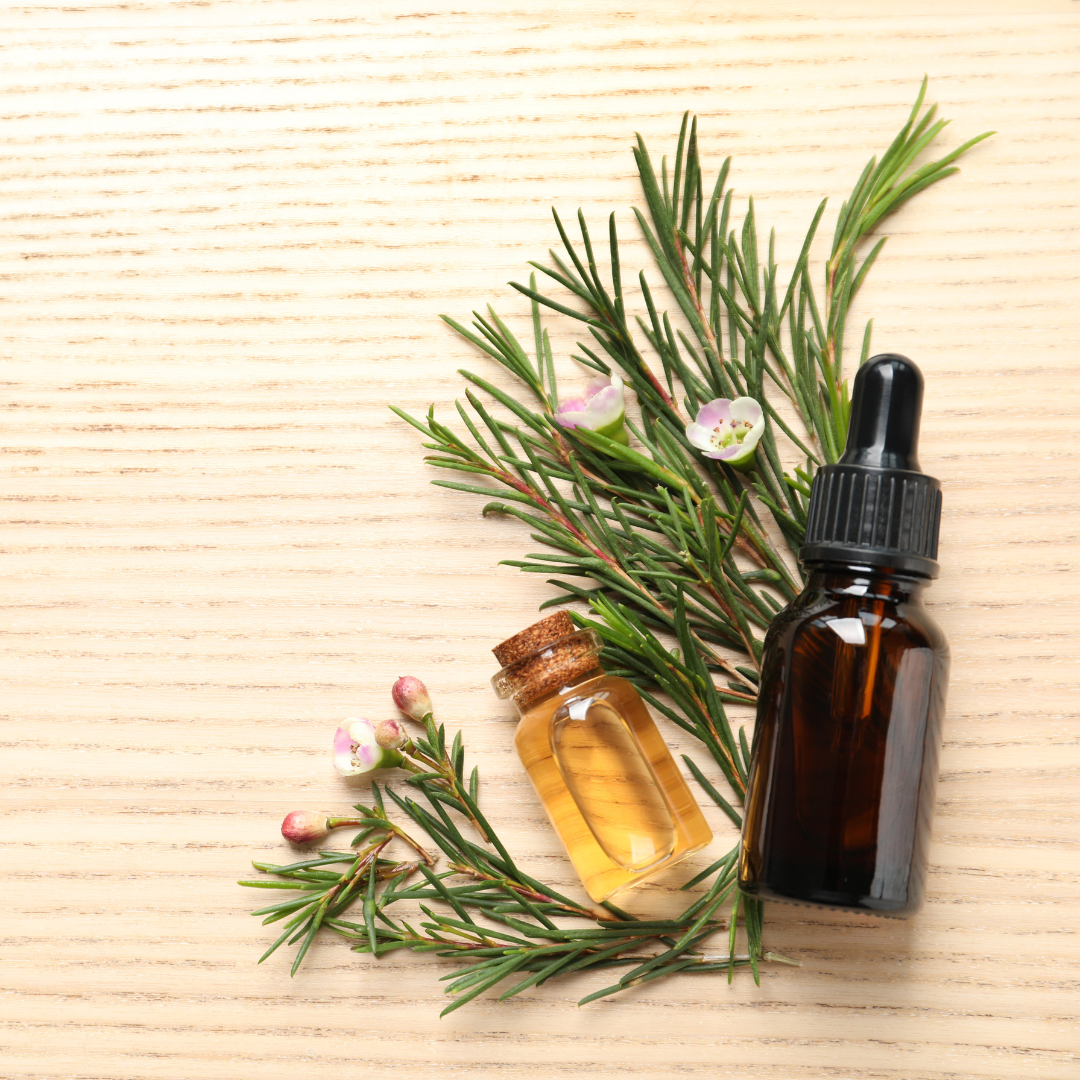
Tea Tree Oil for Eczema: The Terpinen-4-ol Mechanism, the Oxidation Risk & How to Use It Safely
Tea tree oil's terpinen-4-ol inhibits S. aureus — the bacterium most associated with eczema severity. But oxidised tea tree oil is significantly more allergenic than fresh, and contact sensitisation rates are high. Here's the honest picture.
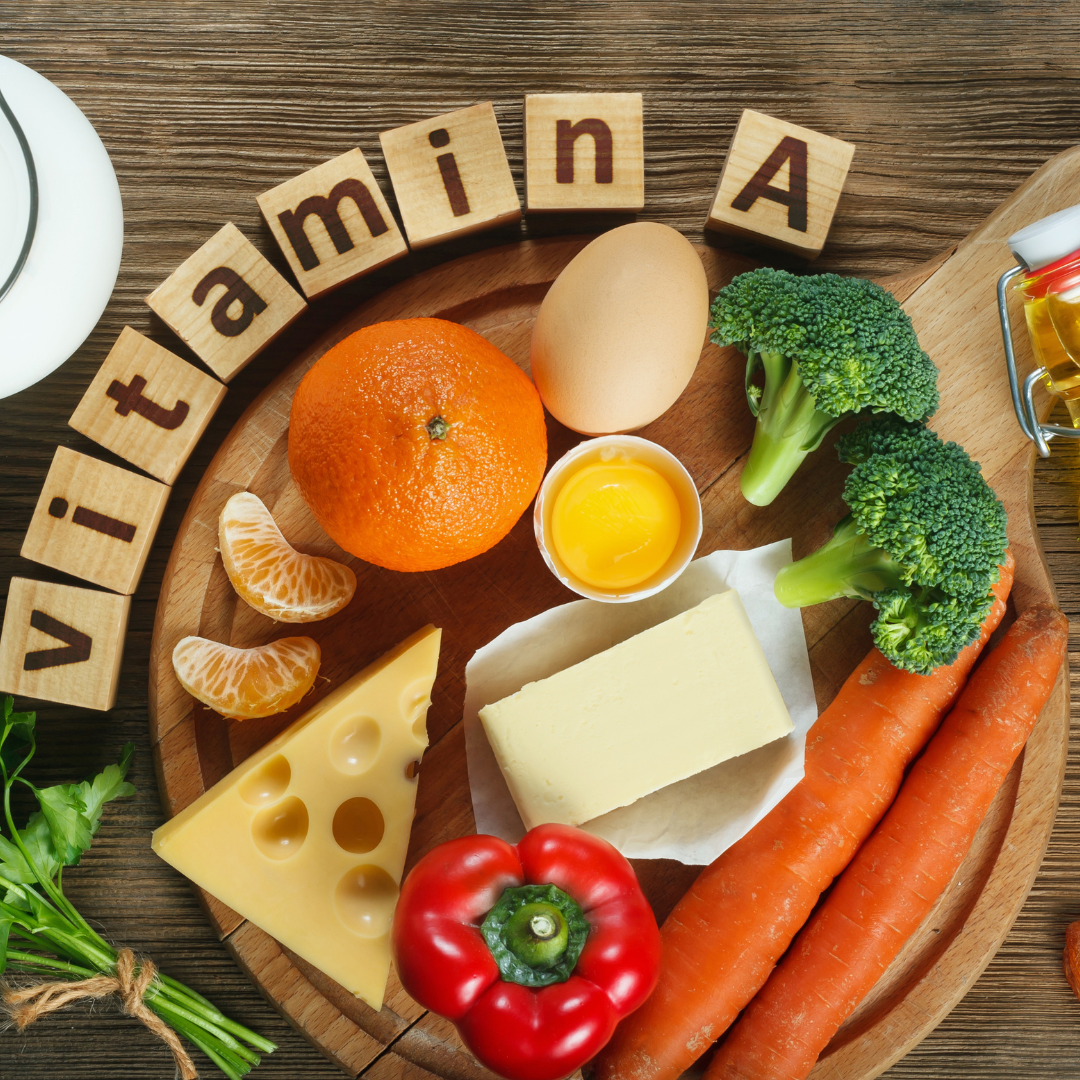
Vitamin A and Psoriasis: The Mechanism, the Pharmaceutical Connection & the Safety Limits
Vitamin A derivatives are among the most effective psoriasis treatments available. Here's how the mechanism works, where supplements fit, and what the toxicity limits mean.

Vitamin D and Eczema: What the Evidence Actually Shows
Vitamin D deficiency is more prevalent in eczema patients and linked to disease severity. Here's what it does, what the research shows, and the UK-specific context most articles miss.

Castor Oil for Psoriasis: The Ricinoleic Acid Mechanism, Koebner Risk & What Works Better
Castor oil's ricinoleic acid has mild anti-inflammatory properties — but its high viscosity means massage application carries a Koebner risk on psoriatic plaques. Here's when it helps and when to avoid it.

Does Chocolate Cause Acne? What the Research Actually Shows
The chocolate-acne question is more interesting than most articles suggest. The evidence points to specific mechanisms — and it's not just about sugar. Here's what the research shows.